
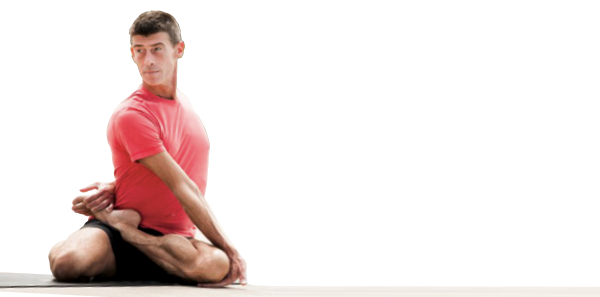
As in life, proper breathing is very important in yoga practice.4,5 In fact, the ability to breathe properly and control one’s breath can have profound effects on both mental and physical status. When the breath is shallow, a common side effect of stress, blood is not oxygenated properly, which impairs mental function and promotes physical fatigue. Stress can cause shortness of breath and anxiety. These changes in breathing patterns are mediated through the sympathetic nervous system as part of the fight-or-flight response.6,7 As you get more anxious, your breathing muscles fatigue and cause even more shortness of breath and anxiety. Thus, stress can create a vicious, perpetuating cycle.
Explore This Issue
ACEP Now: Vol 34 – No 09 – September 2015Most yoga classes focus on breathing techniques, or pranayama, that help practitioners slow down their breath. A recent article in The Wall Street Journal titled “Breathing for Your Better Health” reports the benefits of abdominal breathing and notes that they are the direct result of vagal stimulation.8 Slower breathing stimulates the vagus nerve, which runs from the brainstem to the abdomen. The vagus nerve, as part of the parasympathetic nervous system, is responsible for the body’s rest-and-digest activities. In contrast, rapid, shallow breathing is associated with the sympathetic nervous system. The article goes on to report that vagus nerve activity can cause the heart rate to decrease as we increase the length of our exhalations. This is, in part, due to the vagus nerve’s release of acetylcholine, which slows down heart rate and digestion.9 This highly suggests people can actually alter their physiological response to stress simply by altering their breathing. Taking long, deep breaths with conscious observation of the length of exhalation can promote vagal stimulation, resulting in a sense of calm rather than chaos.
Posture
Although meditation and pranayama are core components to the practice, yoga is more commonly associated with asanas, or postures. There is a common misconception that people need to be flexible in order to attend a yoga class when, in fact, the opposite is true. Yoga is designed to increase both strength and flexibility by synchronizing breathing with physical movement through various postures. It is not uncommon for someone to notice an improvement in posture within weeks of starting a yoga practice.10
Noticing postural habits soon becomes second nature to a yoga practitioner. Standing taller, sitting up straighter, and walking with a straight spine are all common benefits of a regular yoga practice. Practicing yoga in an everyday setting can be as simple as noticing and observing one’s posture when seated, standing, or even lying down. For physicians, being mindful of how weighted down their white coats are can be a form of yoga. To lighten the lab coat and decrease the forward shoulder pull and subsequent kyphosis is, in a sense, practicing yoga.
Pages: 1 2 3 | Single Page



2 Responses to “Benefits of Yoga for Emergency Physicians”
September 23, 2015
Thomas BalentineI am impressed by my son’s participation with yoga classes. I consider it surprising to both he and I as to the beneficial results of his interest in this type therapy. He continues to be sensitive to all physical, mental and spiritual aspects of health issues. This article even prompts a 74 year old senior to become better educated with the potential health improvement for my remaining years.
January 19, 2022
Grow PracticeThanks for sharing information about Benefits of Yoga for Emergency Physicians