
Consolidation and corporate investment in medicine are rapidly changing the health care landscape. The past two years of the pandemic have put an increased spotlight on the outsized impact of horizontal consolidation and vertical mergers on emergency physicians and patients.
Explore This Issue
ACEP Now: Vol 41 – No 06 – June 2022ACEP has long fought to protect the autonomy of the emergency physician, but the shifting landscape has led us to increase our efforts to address your concerns on consolidation. It is within this uncertain environment that ACEP’s new strategic plan was developed, and a core strategy of the advocacy pillar is focused on creating awareness around the business of emergency medicine and having difficult discussions about possibilities and protections.
Find more detailed information, including videos and full comment letters related to the following activities, at acep.org/physicianautonomy.
Prioritizing the Physician-Patient Relationship
March 2022: ACEP filed an amicus brief in the AAEMPG v. Envision case, upholding the sanctity of a physician’s duty to patients and the importance of allowing them to practice medicine without undue pressure from outside forces. Through this filing, ACEP is applying its might on behalf of our nearly 40,000 members in legal efforts to assert the physician’s right to autonomy in medical decision-making. The Emergency Medicine Residents’ Association (EMRA) also filed a Declaration of Interest in support of the ACEP position.
April 2022: ACEP believes the physician-patient relationship is the moral center of medicine that can never be compromised. On April 6, the Board of Directors reaffirmed this position by approving the ACEP Statement on Private Equity and Corporate Investment in Emergency Medicine. The core beliefs outlined in the statement reaffirm that, “any practice structure that threatens physician autonomy, the patient physician relationship, or the ability of the physician to place the needs of patients over profits should be opposed,” and that, “financial motives should never supersede an emergency physician’s autonomy to make bedside decisions in the best interest of the patient.”
Raising this Problem to the Government
February 2022: Earlier this year, the Federal Trade Commission (FTC) reaffirmed its commitment to working closely with the Department of Justice (DOJ) to review and update the agencies’ merger guidance, particularly around vertical consolidation. ACEP staff spoke to the FTC directly about this issue and was encouraged by them to formally respond to the FTC’s Request for Information on Merger Enforcement on behalf of ACEP members.
April 2022: ACEP gathered, analyzed, and combined more than 100 ACEP member responses about the daily impact of consolidation to illustrate patterns as part of its formal comment letter submitted to the FTC on April 20.
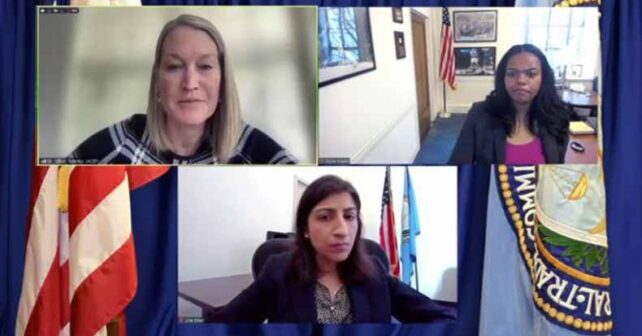
ACEP President Gillian Schmitz, MD, FACEP, and ACEP Executive Director Sue Sedory also shared a preview of some of the collected stories during the FTC’s “Listening Forum on Firsthand Effects of Mergers and Acquisitions: Health Care” on April 14, 2022.
Advocating for On-the-job Protections
May 2022: ACEP strongly supports legislation under discussion in Congress that would uphold due process protections for physicians. Specifically, this legislation would enable physicians to avoid a mandatory waiver of due process rights, which many are forced to comply with as a condition of group employment. ACEP members were able to directly ask legislators to support this legislation during the 2022 Leadership & Advocacy Conference in early May.
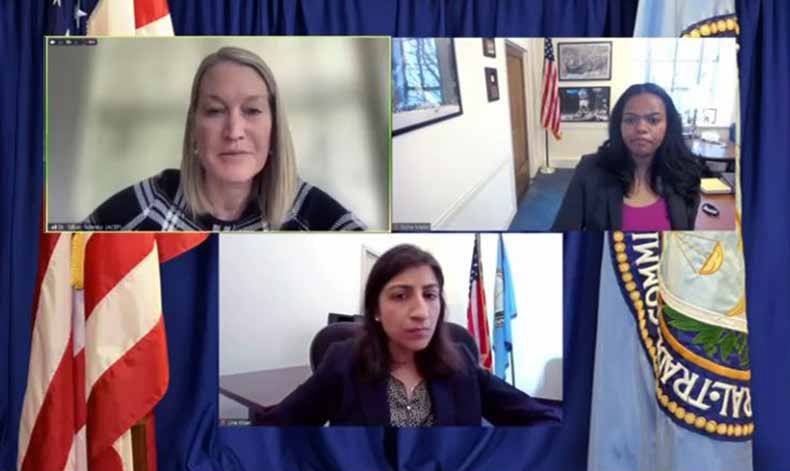
ACEP President Gillian Schmitz, MD, FACEP, shared a preview of some of ACEP member stories about the effects of consolidation
during the FTC‘s “Listening Forum on Firsthand Effects of Mergers and Acquisitions: Health Care” on April 14.
ACEP is leading conversations with Congress and federal agencies make sure that the federal officials keeping a keen eye on physician and insurer consolidation understand emergency physicians’ concerns about the impact of consolidation on systemic issues and costs, reimbursement, and patient care.
ACEP has also introduced a resolution to the AMA’s House of Delegates calling for the AMA to develop model state legislative language and principles for federal legislation that protect physicians from corporate, workplace, and/or employer retaliation when reporting safety, harassment, or fraud concerns at their places of work.
Pulling the Curtain Back to Increase Awareness
January and February 2022: One of ACEP’s roles within the new strategic plan is to provide more education about the business of emergency medicine. To that end, ACEP’s weekly regulatory blog has posted two in-depth articles explaining: 1) recent federal efforts to address health care clinician consolidation; and 2) the increase in health care insurer consolidation.
May 2022: The educational content of ACEP’s Leadership and Advocacy Conference (LAC22), hosted in early May, was focused on protecting the individual emergency physician on the job. One of the sessions, “The Great Consolidation: What Role Can Policymakers Play in Ensuring Fairness in Health Care Markets,” provided a deeper dive into consolidation.
During that panel discussion, Rohan Pai, deputy assistant director for Mergers IV for Federal Trade Commission Bureau of Competition, talked about the FTC’s role with health care mergers by explaining,“Our main goal is try to prevent harmful mergers from occurring in the first place.” Mr. Pai said many troubling mergers often fall below the size threshold for reporting to the FTC, so the agency doesn’t hear about them until they are already done.
Mr. Pai also encouraged ACEP members to use the anonymous reporting mechanism on www.ftc.gov to alert the FTC to potentially harmful mergers in their respective communities so the FTC can consider getting involved. He said they take those messages seriously, “Talking to the people who live this day-to-day is how we build these cases.”
What’s Next?
As we put the new strategic plan into action, your voice is needed. The collective voice of ACEP’s 40,000 members is a powerful force for change. The issue of autonomy and consolidation is only one of the battles we are fighting—read more about current advocacy issues in our LAC22 recap on page 8, and learn more at acep.org/advocacy.
Remember, advocating for emergency physicians looks different for everyone. You might submit your personal testimonial about the impacts of consolidation or host a meeting with your state legislators about state licenses and physician mental health concerns. You may respond to ACEP action alerts asking your legislator to support certain legislator or give to the National Emergency Medicine Political Action Committee. Every little bit of member involvement helps ACEP move the needle on critical issues affecting emergency medicine.
Jordan Grantham is ACEP’s communications manager.
Pages: 1 2 3 4 | Multi-Page



No Responses to “ACEP’s New Efforts to Protect Emergency Physicians in Shifting Work Environment”