
Emergency departments have become the nucleus of the hospitals they serve. Emergency physicians not only provide lifesaving treatment, they also serve as gatekeepers to their hospital’s inpatient services.
Explore This Issue
ACEP Now: Vol 38 – No 12 – December 2019Every day, emergency physicians in U.S. emergency departments manage about 411,000 patients and decide that about 74,000 would benefit from inpatient services. Those 74,000 patients represent about 70 percent of the 106,000 patients admitted to hospitals each day.
New data give us a clear view of our role.
The EDBA and NHAMCS Data
The Emergency Department Benchmarking Alliance (EDBA) studies and reports on the operations required to manage our evolving patient group. The 2018 EDBA Performance Measures annual survey includes almost 2,000 emergency departments that served about 76 million patients.
Admissions and transfers account for roughly 20 percent of all patient dispositions across the United States.
The “admission percentage” is the percentage of patients seen in the emergency department and then placed in an inpatient area of the hospital. This percentage includes the total number of admitted patients taken to an inpatient area, including those defined as observation patients by hospital processes. This is important for hospital administrators to know because ED patients who need inpatient services require a disproportionate amount of time and energy from emergency physicians and ED staff.
The “transfer percentage” is the percent of patients seen in the emergency department and then transferred from the emergency department to another emergency department or hospital. This group has uniform requirements under EMTALA for management, documentation, patient consent, and records maintenance. Small-volume emergency departments have the highest transfer rates, at about 5 percent.
The “percentage of hospital admissions processed through the emergency department” is calculated by measuring the total number of patients admitted from the emergency department and dividing it by the total number of general admissions to the hospital.
In 2018, inpatient units were the site of disposition of emergency patients in about 17 percent of visits. The emergency department remains the dominant source of hospital admissions in the United States with about 70 percent of hospital inpatients processed through it. In addition, about 2.8 percent of patients were transferred to another hospital, typically for admission, too.
In 2018, the EDBA data survey also measured critical time intervals of admitted patients. The median length of time from the moment the patient arrived in the ED until the decision was made to admit the patient for inpatient services was 188 minutes. The second critical time interval was from the time of an admission decision to when the patient was moved out of the emergency department to the inpatient unit. Nationally, that median time interval was 116 minutes.
There are significant variations in admission and transfer rates by type of emergency department and by patient group served (see Figure 1). In adult emergency departments, the admission rates are the highest at about 26 percent, with adults accounting for about 65 percent of all hospital admissions. In pediatric emergency departments, the admission rate is only 10 percent, but that patient group accounts for 71 percent of all hospital admissions in those facilities. Low-volume emergency departments (ie, those that see fewer than 20,000 patients per year) have the lowest admission rate of any volume cohort at 11 percent.
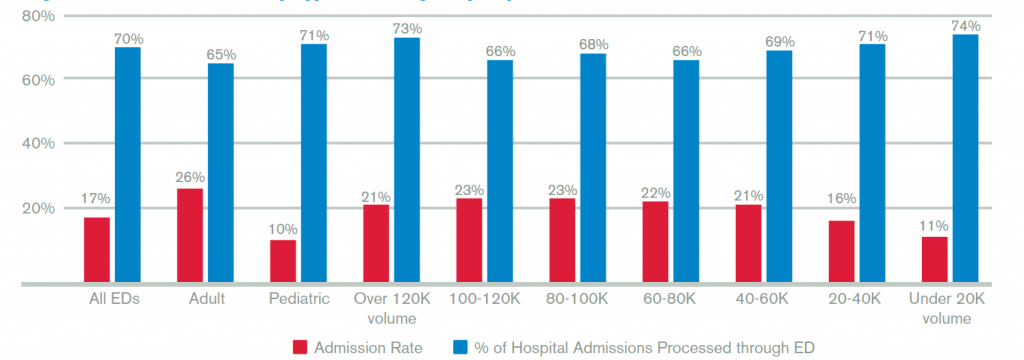
Figure 1: Admission Rate by Type of Emergency Department
Another data set, provided by the National Hospital Ambulatory Medical Care Survey (NHAMCS) from the Centers for Disease Control and Prevention (CDC), provides a different statistical estimate of emergency department patients, treatment, and disposition based on federal demographic data and a statistical sampling of visits to American emergency departments. The latest data tables published reflect patient visits from 2016.
The NHAMCS report finds about 11 percent of ED visits resulted in admission and about 2.7 percent resulted in patient transfer. The NHAMCS report typically finds a lower-acuity population than is reported in the EDBA data surveys, likely due to its sampling methodology—its surveys may contain more low-volume and low-acuity emergency departments. Meanwhile, the EDBA report is based on ED data of actual patient outcomes and does not use sampling methods.
Admission and transfer rates impact the overall flow of the emergency department. Effective inpatient movement is associated with efficient ED flow and should be a priority for emergency physicians and hospital leaders.1,2
ED Admissions Data Trends
A core competence of emergency medicine practice is determining which patients would benefit from inpatient care and which can be safely managed as outpatients. Various guides purport to define which patients qualify for inpatient services and further attempt to divvy those patients among those who will benefit from full admission versus observation. The reality is that a complex mix of factors determines the safety of outpatient care for a patient undergoing evaluation in the emergency department.
Emergency physicians deliver great value to the health system by making those determinations in about three hours from the time a patient arrives in the emergency department. Trend data indicate the medical community entrusts emergency physicians to determine which patients will benefit from inpatient care after the patient receives diagnostic workup and initial treatment in the emergency department. Indeed, the use of emergency departments as a processing center for hospital admissions has increased over the last 14 years, from 58 percent to about 70 percent (see Figure 2).
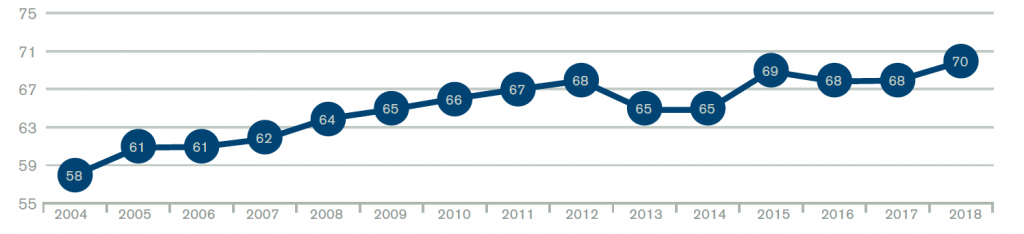
Figure 2: Percentage of Hospital Admissions Through the Emergency Department
Systemically, admission needs for patients over the past 14 years have remained relatively consistent (see Figure 3), varying in a narrow range between 16 percent and 18 percent. Despite improvements in outpatient services, there have been no reductions in overall average admission rates.
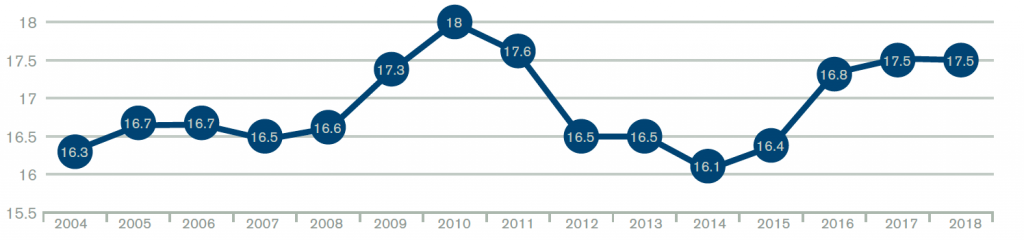
Figure 3: Admission Percentage Rates of Emergency Department Patients Over 14 Years
Emergency physicians should appreciate the role of the emergency department as the intake center for patients who will require inpatient services. This role has increased over time and is unlikely to change as more diagnostic and treatment services are offered through emergency departments.
References
- Augustine JJ. Long emergency department boarding times drive walkaways, revenue losses. ACEP Now. 2016;33(7):16.
- Augustine JJ. Emergency department inefficiency drives poor quality. ACEP Now. 2018;35(11):30-31.
Pages: 1 2 3 | Multi-Page

No Responses to “Latest Data Reveal the ED’s Role as Hospital Admission Gatekeeper”