
It was my usual day in the emergency department at a busy community hospital with 55,000 annual visits. Midway through my shift of seeing abdominal pain, headaches, and febrile infants, the medic phone rang. They were bringing in an altered elderly patient with fever and low blood pressure. The medics arrived, and as I walked into the room, my team was already placing IVs, attaching monitors, and taking vital signs. I introduced myself as Dr. Forde-Baker, and the patient said, “Get away from me you…you…black person!” with disdain dripping from her voice.
Explore This Issue
ACEP Now: Vol 35 – No 12 – December 2016
SHUTTERSTOCK.COM
Time stopped. I was instantly flooded with memories of similar encounters of hate and prejudice because of melanin: having to state which Ivy League schools I attended and how long I’ve been in practice; being asked if I am really the assistant director of the department; and having to remind patients and family members over and over that I am, in fact, the physician who has been caring for them for the past three to four hours.
Only a second had passed. I breathed, and I explained that I am her doctor and will be caring for her. My team supported me and informed the patient that she was getting the best care possible, and she did. This patient was treated with the same high quality of care I provide all of my patients, but inside, I felt disrespected, enraged, and diminished.
I know that I am not alone. In 1864, Rebecca Lee Crumpler was the first and only black woman who earned a medical degree from the New England Female Medical College. Undoubtedly, she faced overt racism from male colleagues, pharmacists who would not fill her medications, and people who quipped that “MD” stood for “mule driver.” Now, 154 years later, African-Americans only make up 6.3 percent of American physicians, of which, 55 percent are black women. And 154 years later, we are still facing racism.
Today, there is a history of distrust in the African-American community due to the exploitation of black people in medical research. Tuskegee syphilis trials and Dr. James Marion Sims gynecological surgeries are a few of the documented cases of heinous abuse of black people performed in the name of medical research. This has lead to a culture of fear, distrust, and health disparities due to race and economics. Obesity, diabetes, and hypertension are a few of the medical illnesses disproportionately affecting black Americans. I contend that this is also due to a sense of isolation that African-American patients feel in the medical community. As a black female physician, I understand that feeling. Although I am a member of the group of more than 35,000 emergency physicians in the specialty, I am also a black woman. My appearance enters the exam room before I can utter a word. Most times, I am welcomed and embark on the physician-patient relationship. Sometimes, I am met with hate and feel belittled and burdened because the duty to provide care is still paramount and supersedes all else.
As a black female physician, my experiences with patients are different from those of my white male counterparts. Increasing diversity and recognizing the varied experiences physicians face are crucial to the wellness and feeling of inclusion of all emergency physicians. ACEP is taking that step to promote diversity and cultural awareness. Our President, Dr. Rebecca Parker, is making cultural diversity a part of her platform. The recent summit on diversity is the first step in having a real conversation about diversity in medicine from the physician’s perspective. ACEP must hear from diverse physicians to acknowledge our experiences and support our needs.
See how emergency departments can embrace diversity, inclusion.
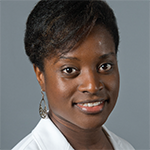 Dr. Forde-Baker is assistant director of emergency medicine at Our Lady of Lourdes Medical Center in Camden, New Jersey.
Pages: 1 2 | Multi-Page



2 Responses to “ACEP’s Steps to Promote Diversity Support the Needs of Minority Physicians”
December 18, 2016
Benjamin ThomasThank you for sharing this Dr. Baker. As a resident, I can’t tell you the number of times that patients, paramedics, and sometimes hospital staff initially think that I am not a doctor or don’t have the capability of taking care of them. There is a scarcity of minorities in medicine and when in comes to emergency medicine I feel the numbers are dire, especially when it comes to african-americans in the field. The efforts to improve diversity in medicine and in our field really need to start at the high school and elementary level. The first time I ever interacted with a black doctor was not until I was interviewing for medical school. That needs to change. Minority children need to see more physicians who look like them in order to plant the seed that practicing medicine is something they can do as well. Our outreach efforts need to be focused on them.
December 18, 2016
Steve KatzJenice,
I am always proud to call you my colleague and follow your lead.