
According to a 2015 American Journal of Preventive Medicine study, the largest percentage drop in opioid prescribing rates between 2007 and 2012 occurred in emergency medicine (8.9 percent).
Even so, every shift, emergency physicians are faced with decisions about opioids. Should we use them acutely? Should we prescribe them for discharged patients? Does any given patient have a problem with addiction? We’re the ones on the front lines, and the problem is more than an abstract number to each of us who cares for patients. We see the deaths, we see the lives and families disrupted by addiction, and we each do our best in the short time we have with our patients to treat them.
Meanwhile, each day brings new calls from the media, politicians, administrators, and others to address the growing problem of opioid addiction—a problem that now leads to more deaths in the United States than vehicular trauma. As I became more involved in investigating this problem, I was fascinated to learn that the United States consumes more than 80 percent of the world’s opioids today. I was also shocked to learn how new this problem really is: In 1990, global consumption of oxycodone was roughly three tons; in 2009, it was estimated to be 77 tons. This is a large and growing health care crisis. How can we have a larger impact?
Assessing the Guidelines
Many of us serving on the board for the Virginia College of Emergency Physicians (VACEP) were asking the same questions and had formed a working group to support practicing physicians by establishing prescribing guidelines. Our hope was that these evidence-based guidelines would support providers who were seeking resources and support for projects they were creating in their own hospitals and communities.
We learned that our legislators are hearing about opioid addiction and its consequences, and their constituents are asking them to address it. … We can and should lend our expertise and our experience to the conversation as hospitals, administrators, and legislators try to create programs, policies, and laws addressing these issues.
As we were finalizing our guidelines, we learned that the Virginia Hospital & Healthcare Association (VHHA) was forming a similar workgroup. Working together with this group and with several members of the Medical Society of Virginia (MSV), we held a series of meetings that culminated in a VHHA-led press conference to unveil a one-page set of 14 guidelines. The guidelines are intended to:
- Help emergency departments reduce the inappropriate use of opioids
- Preserve the vital role of treating patients with emergent medical conditions
- Help physicians improve patient outcomes
Working with the Community
Emergency medicine has historically been a large supporter of prescription-monitoring programs that many states, including Virginia, have created over the past several years. Recently, several ACEP members met with Sen. Mark R. Warner (D-VA) to discuss what could be done on a national level to combat the opioid epidemic. We suggested a national prescription-monitoring program, funding for addiction counseling/treatment, and funding for health care information exchanges or care coordination projects.
We learned that our legislators are hearing about opioid addiction and its consequences, and their constituents are asking them to address it. What can we in emergency medicine do? We can and should lend our expertise and our experience to the conversation as hospitals, administrators, and legislators try to create programs, policies, and laws addressing these issues. In my limited experience, these initiatives are almost always better when the physicians actually providing the care are included in the conversation.
You can view the full list of guidelines on VACEP’s web page.
Partnering with VHHA and speaking with one voice as a health care community, our small task force had a very successful press conference led by VHHA’s director of communication that resulted in:
- A front-page headline story on the guidelines in state newspapers
- Radio interviews with one of VACEP’s emergency physician spokespeople (Kirk Cumpston, DO)
- Multiple quotes on national radio (NPR)
- Coverage in H&HN (Hospitals & Healthcare Networks)
- National media links
The guidelines are only a start, however—a framework for continued conversations and improvement. Our local emergency department met this morning and discussed specific initiatives for our community. We aren’t perfect, but we chose to care, we chose to act, and therefore we believe we will be successful. Our patients and their families depend on us to take action.
Cultural anthropologist Margaret Mead once said, “Never doubt that a small group of thoughtful, committed citizens can change the world. Indeed, it’s the only thing that has!” VACEP believes that we are one of those groups. We hope you’ll find your own group as well.
Dr.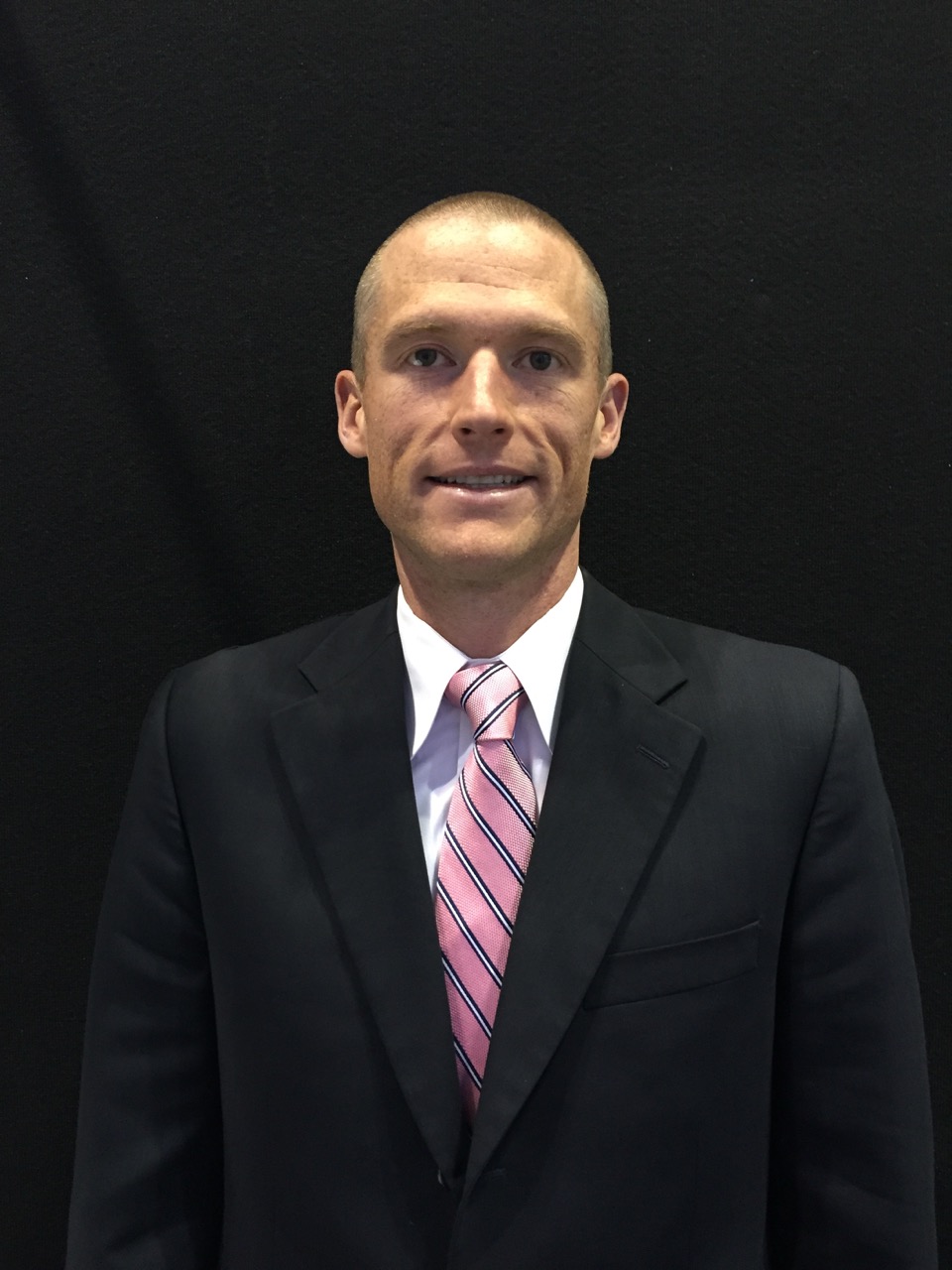 Dawson is secretary of VACEP and regional emergency medicine director of VEP Healthcare in Abingdon, Virginia.
Pages: 1 2 | Multi-Page



One Response to “Virginia College Publicizes New Opioid Prescribing Guidelines Beyond Medical Community, Opens Wider Discussion About Addiction”
September 25, 2016
Larry A Bedard, MDCongratulations on your opioid prescribing guidelines.
I believe one of the unintended consequences of such guidelines
is an uptake in people using heroin when their Vicodin and Oxycontin
prescriptions are cut off. I think you identify a critical need for substance abuse
treatment programs.
Do Virginia emergency physicians recommend medicinal cannabis?
The science is pretty clear. Cannabis is a much safer analgesic/adjunct
that is much safer than opiates. Last June JAMA published a review which indicated
thee is good evidence that cannabis is beneficial in treating chronic pain, neuropathic pained muscles spasm. In state where medicinal cannabis is legal there is a 25% decrease in opiated overdose deaths.