
On May 12, 2015, ACEP joined more than 30 other health care and elders’ rights groups to petition Health and Human Services Secretary Sylvia Mathews Burwell in support of reimbursement of advance care planning (ACP) codes by the Centers for Medicare & Medicaid Services (CMS). As explained in the letter to Sec. Burwell:
Complex ACP involves one or more meeting(s), lasting 30 minutes or more, during which the patient’s values and preferences are discussed and documented, and used to guide decisions regarding future care for serious illnesses. These consultations are voluntary on the part of the patient and the patient’s preferences are paramount. The patient may choose to include his/her family, caregiver (if applicable) in the decision making process….
ACP has become a standard of care and consensus regarding its value is widespread. The 2014 Institute of Medicine (IOM) report “Dying in America” cited payment for ACP as one of its five key recommendations. The report states that “payers and health care delivery organizations should adopt these standards and their supporting processes, and integrate them into assessments, care plans, and the reporting of health care quality.” The Centers for Disease Control and Prevention (CDC) has also advocated for increased use of ACP.
Making separate payment for ACP will not only promote these services for beneficiaries, but will also allow Medicare to track how these services are being furnished and to assess their impact on the quality of life and effectiveness of care. Programs like the physician quality reporting system already ask physicians to report on whether or not they did advance care planning with patients. Payment for this service will align with these quality reporting mechanisms and promote higher quality and value in the system.
These new CPT codes could support both palliative care initiatives and end-of-life care consultations. In the United States, there is a large gap between those who wish to have a say in how they die (60 percent of the population) and the number who have those wishes in writing (20 to 30 percent).1 Most of those who do have advance directives have discussed their wishes with estate-planning attorneys, not health care professionals.2
One of the critical issues is that payers, including CMS, currently do not reimburse for conversations regarding advance directives or physician orders for life-sustaining treatment (POLST). Patients want to discuss these complex decisions with health care providers, but those same providers are currently unable to be reimbursed for this critical discussion.
There is strong evidence that when patients are asked if they wish to discuss ACP, they usually do want to talk about these decisions.3 When patients are involved in the conversation about their own ACP and end-of-life care, they often make very different choices than when families choose for them.4 Frequently, these choices are much less aggressive, with patients choosing a more natural death when they are able to have a say in that decision. Reimbursing for ACP sessions should incentivize primary care physicians to have these conversations with patients who are not in crisis, when patients can actually make their wishes known. ACP should be a part of routine medical care, like discussing exercise and vaccinations.
In our society, we have historically separated health care from dying care; this is an opportunity to get back on the right track!
References
- Morhaim DK, Pollack KM. End-of-life care issues: a personal, economic, public policy, and public health crisis. Am J Public Health. 2013;103:e8-e10.
- McCarthy EP, Pencina MJ, Kelly-Hayes M, et al. Advance care planning and health care preferences of community-dwelling elders: the Framingham Heart Study. J Gerontol A Biol Sci Med Sci. 2008;63:951-959.
- Hammes BJ, Rooney BL, Gundrum JD. A comparative, retrospective, observational study of the prevalence, availability, and specificity of advance care plans in a county that implemented an advance care planning microsystem. J Am Geriatr Soc. 2010;58:1249-1255.
- Biola H, Sloane PD, Williams CS, et al. Preferences versus practice: life-sustaining treatments in last months of life in long-term care. Am Med Dir Assoc. 2010;11:42–51.
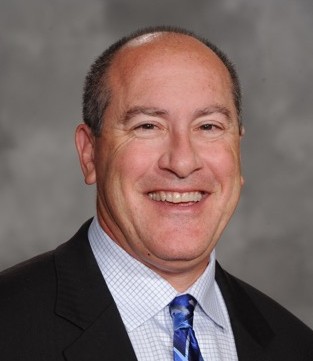 Dr. Friedman is an ACEP Board member, Vice President of governmental affairs for Florida Emergency Physicians, and an emergency physician at the Florida Hospital Celebration Health.
Pages: 1 2 | Multi-Page



No Responses to “Reimburse for Advance Care Planning, ACEP Urges the Centers for Medicare & Medicaid Services”