Logo

Log In Sign Up |  An official publication of: American College of Emergency Physicians
Navigation
  • Home
  • Multimedia
    • Podcasts
    • Videos
  • Clinical
    • Airway Managment
    • Case Reports
    • Critical Care
    • Guidelines
    • Imaging & Ultrasound
    • Pain & Palliative Care
    • Pediatrics
    • Resuscitation
    • Trauma & Injury
  • Career
    • Practice Management
      • Reimbursement & Coding
      • Legal
      • Operations
    • Awards
    • Certification
    • Early Career
    • Education
    • Leadership
    • Profiles
    • Retirement
    • Work-Life Balance
  • Compensation Reports
  • Columns
    • ACEP4U
    • Airway
    • Benchmarking
    • By the Numbers
    • EM Cases
    • End of the Rainbow
    • Equity Equation
    • FACEPs in the Crowd
    • Forensic Facts
    • From the College
    • Kids Korner
    • Medicolegal Mind
    • Opinion
      • Break Room
      • New Spin
      • Pro-Con
    • Pearls From EM Literature
    • Policy Rx
    • Practice Changers
    • Problem Solvers
    • Residency Spotlight
    • Resident Voice
    • Skeptics’ Guide to Emergency Medicine
    • Sound Advice
    • Special OPs
    • Toxicology Q&A
    • WorldTravelERs
  • Resources
    • mTBI Resource Center
    • ACEP.org
    • ACEP Knowledge Quiz
    • CME Now
    • Annual Scientific Assembly
      • ACEP14
      • ACEP15
      • ACEP16
      • ACEP17
      • ACEP18
      • ACEP19
    • Annals of Emergency Medicine
    • JACEP Open
    • Emergency Medicine Foundation
  • Issue Archives
  • Archives
    • Brief19
    • Coding Wizard
    • Images in EM
    • Care Team
    • Quality & Safety
  • About
    • Our Mission
    • Medical Editor in Chief
    • Editorial Advisory Board
    • Awards
    • Authors
    • Article Submission
    • Contact Us
    • Advertise
    • Subscribe
    • Privacy Policy
    • Copyright Information

Practice Changers

  • Two Big Changes in Community Acquired Pneumonia Treatment

    Although the treatment of community acquired pneumonia (CAP) is bread-and-butter emergency medicine, several guidelines and landmark studies...
  • Stop Prescribing Antibiotics for Diverticulitis

    Not all patients with acute, uncomplicated diverticulitis need antibiotics. This practice is not cutting-edge—it is ready for...
  • High Dose Nitroglycerin in Acute Heart Failure Goes Mainstream

    The current acute management of patients with acute decompensated heart failure (ADHF) in florid pulmonary edema barely...

Two Big Changes in Community Acquired Pneumonia Treatment

June 8, 2023 - Lauren Westafer, DO, MPH, MS - 0 Comment

Although the treatment of community acquired pneumonia (CAP) is bread-and-butter emergency medicine, several guidelines and landmark studies…

Read More

Stop Prescribing Antibiotics for Diverticulitis

March 21, 2023 - Lauren Westafer, MD - 2 Comments

Not all patients with acute, uncomplicated diverticulitis need antibiotics. This practice is not cutting-edge—it is ready for…

Read More

High Dose Nitroglycerin in Acute Heart Failure Goes Mainstream

January 31, 2023 - Lauren Westafer, DO, MPH, MS - 0 Comment

The current acute management of patients with acute decompensated heart failure (ADHF) in florid pulmonary edema barely…
Read More

The Reperfusion Guidelines Finally Catch Up

December 9, 2022 - Lauren Westafer, DO, MPH, MS, FACEP - 1 Comment

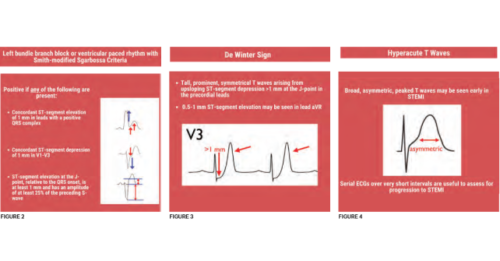
“Time is myocardium.” Emergency, prehospital, and regional systems have been built around this slogan and are designed…
Read More

Reader: “Rumors of Diphenhydramine’s Death Are Greatly Exaggerated”

September 9, 2022 - Michael E. Mullins MD, FACEP, FAACT - 0 Comment

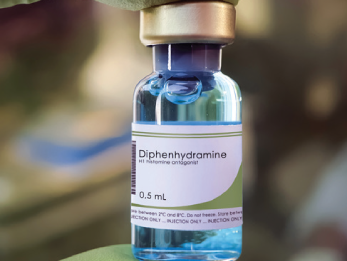
Dear Editor, Dr. Westafer’s commentary on diphenhydramine makes several valid points about some misuses (e.g,. sleep aid)…

Read More

Stop Performing Routine Pulse Checks During CPR

August 2, 2022 - Lauren Westafer, DO, MPH, MS, FACEP - 0 Comment

“Time to pause for a pulse check.” Although this refrain is uttered during cardiac arrests across the…

Read More

The Death of Diphenhydramine

July 9, 2022 - Lauren Westafer, DO, MPH, MS, FACEP - 6 Comments

Diphenhydramine (Benadryl), is ubiquitous in the emergency department (ED) and has historically been a component of many…

Read More

Decoding Pulmonary Embolism Evaluation in Pregnancy

May 12, 2022 - Lauren Westafer, DO, MPH, MS, FACEP - 0 Comment

Pulmonary embolism (PE) in pregnancy is quite uncommon, estimated to occur in 0.02–0.1 percent of pregnancies and…

Read More

New Guidelines Aim to Help the Evaluation of Chest Pain

September 15, 2021 - Lauren Westafer, DO, MPH - 0 Comment

Emergency department evaluations for chest pain are common, accounting for approximately 5 percent of all ED visits….

Read More

Outpatient Management of Pulmonary Embolism

June 15, 2021 - Lauren Westafer, DO, MPH - 1 Comment

Historically, patients diagnosed with pulmonary embolism (PE) initially have been managed as inpatients. This practice stemmed from…

Read More
  • 1
  • 2
  • 3

Wiley
  • Home
  • About Us
  • Contact Us
  • Privacy
  • Terms of Use
  • Advertise
  • Cookie Preferences
Copyright © 2026 by John Wiley & Sons, Inc. All rights reserved, including rights for text and data mining and training of artificial technologies or similar technologies. ISSN 2333-2603