
Editor’s Note: This is the fifth part of an ongoing series on what emergency physicians can do to combat the opioid epidemic.
Explore This Issue
ACEP Now: Vol 37 – No 09 – September 2018Ideally, every patient would want to stop using drugs. Of course, if it were that easy, we wouldn’t be in the mess we are in now. Opioid addiction is much more complicated than that; changes in the frontal cortex and the hour-to-hour search for more dopamine to just feel normal lead to poor decisions and continued use.
So what do you do if your patient isn’t ready to go to treatment?
Harm Reduction
Opioid overdose treatment falls under the approach of harm reduction, or the idea that we should try our best to keep this population safe until they are ready to accept help. Put simply, they can’t get help if they are dead.
Critics will argue these practices just enable addicts, but the experts dispute that line of thinking. People with substance-use disorders will use drugs whether you do things to make it safer for them or not. Safety is not something that factors into their decision tree prior to using drugs. In fact, not only do harm-reduction strategies save lives, decrease HIV and hepatitis transmission, and reduce needle sticks to first responders, they do not appear to increase drug use.1–4
Over the past few years, increased naloxone distribution has gained the most attention as a form of harm reduction. Community distribution of naloxone appears to be successful.5 It’s been demonstrated that first responders and lay providers can learn to recognize the signs of an opioid overdose and safely administer naloxone. The data demonstrate a significant number of individuals surviving who otherwise might have died.6
Additionally, emergency departments are dispensing more and more naloxone. In some places, state grants have helped purchase the medication because it is unfortunately ridiculously expensive (which is a completely different conversation). In many places, Medicaid and private insurance will pay for it. Some states even allow over-the-counter access. The website PrescribeToPrevent.org is a great source to see if there are laws in your state allowing for increased naloxone distribution and Good Samaritan protection for prescribers and laypersons who may administer the drug.
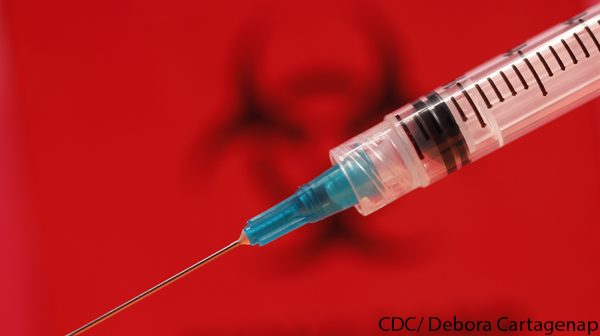
Needle exchanges have been around since the late 1980s and early 1990s and have also decreased infectious disease transmission without increasing drug use. A report funded by the National Institute on Drug Abuse demonstrated a 70 percent decrease in new HIV cases due to injection drug use in Washington, D.C.2 A review of programs in both North America and Europe demonstrated a 56 percent reduction in hepatitis C and a 74 percent reduction in transmission when combined with medication-assisted therapy.7
Pages: 1 2 3 4 | Single Page



One Response to “Your Overdose Patient Doesn’t Want to Quit—Now What?”
September 16, 2018
Gary Roberts, MD JDFifteen years ago I attended a (state mandated) CME program on pain. It was presented by UC Davis and entitled, “The War on Pain.” We were advised that UNDERTREATMENT of pain was a medical crisis and that we were ethically obliged to provide adequate quantities of narcotics. The message, better to over-treat than otherwise.
Two points:
1. the opioid crisis is iatrogenically mediated and legislatively induced. Physicians are taking the heat for the unintended (nonetheless foreseeable) consequences of “do-gooder” legislators whose attempts to control medical practice have backfired in a spectacular fashion.
2. how is dealing with an opioid addict different from dealing with a smoker or alcoholic?