

As emergency physicians and EDs develop innovative solutions to address the continual increase in ED crowding and wait times, it is imperative that emergency physicians do not accept this as fate, but continue to advocate for appropriate resources to care for patients. This less-than-ideal situation, however, does not negate the cornerstone of ACEP’s Code of Ethics – to “embrace patient welfare as [our] primary professional responsibility.” Nontraditional care models may be scrutinized as deviating from the typical standard care of patients, but should also be lauded and protected as a commitment to beneficence and nonmaleficence.
Explore This Issue
ACEP Now: March 02 Dr. Clayborne is an emergency physician at the University of Maryland Capital Region Medical Center in Largo, Md.
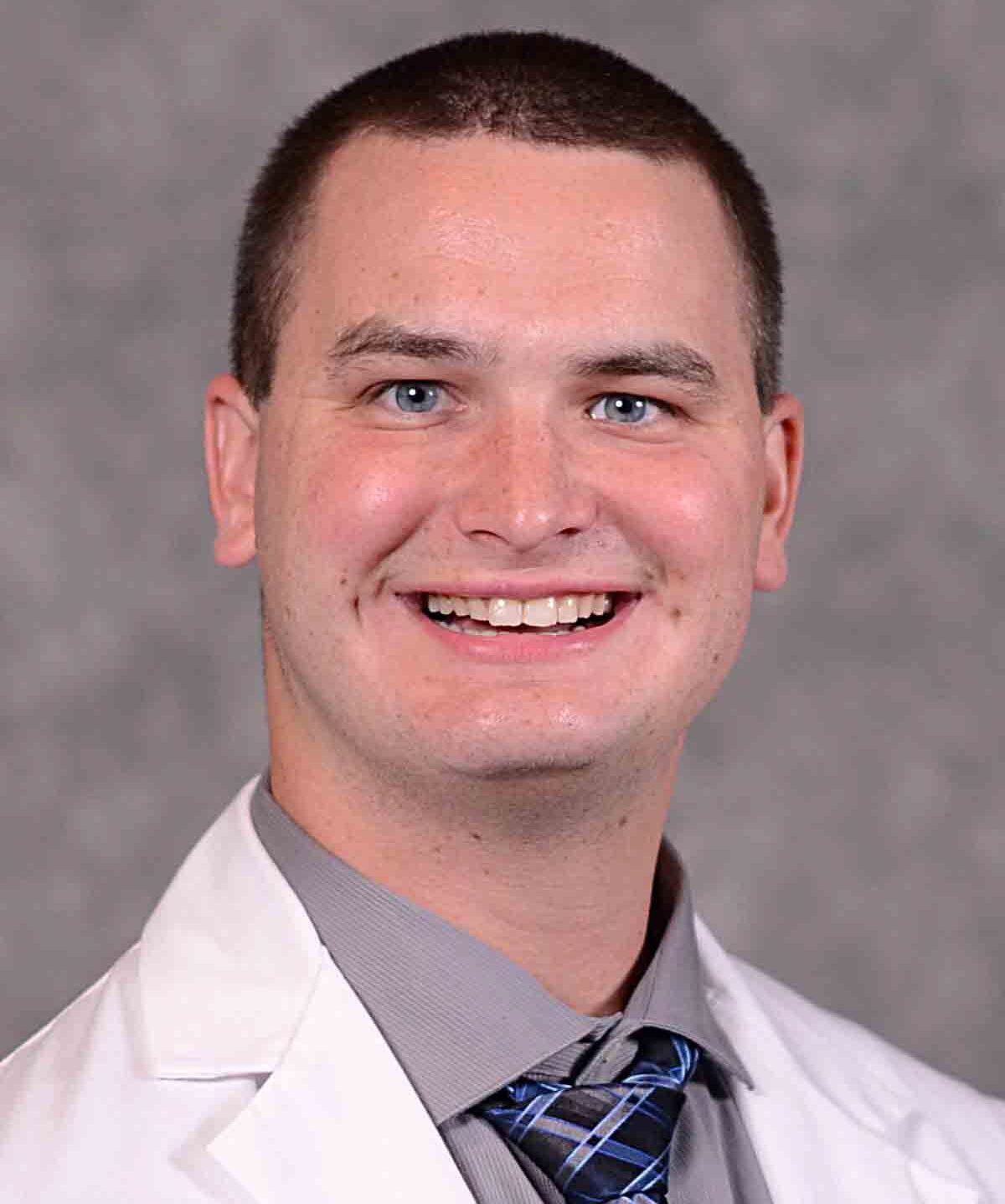 Dr. Bissmeyer is an emergency physician at Mercy Health in Cincinnati, Ohio.
 Dr. Kluesner is the associate medical director and associate program director of the Iowa Methodist Medical Center Emergency Medicine Residency Program in Des Moines, Iowa.
 Dr. McGrath is an emergency physician at the Virginia Mason Medical Center in Seattle, Wash.
 Dr. Martinez is a clinical assistant professor of emergency medicine at the University of Oklahoma, School of Community Medicine in Tulsa, Okla.
 Dr. Vearrier is a professor of emergency medicine at the University of Mississippi Medical Center.
References
- Miles, SH. The Hippocratic Oath and the Ethics of Medicine. Oxford; New York: Oxford University Press, 2004.
- Moskop JC, Geiderman JM, Marshall KD, et al. Another look at the persistent moral problem of emergency department crowding. Ann Emerg Med. 2018;74(3):357-364.
- White BA, Bidding PD, Chang Y, et al. boarding inpatients in the emergency department increases discharged patient length of stay. J Emerg Med. 2013;44(1):230-235.
- Parker BT, Marco C. Emergency department length of stay: accuracy of patient estimates. West J Emerg Med. 2014;15(2):170-175.
- Warby R, Leslie SW, Borger J. EMTALA and Patient Transfers. [Updated 2023 Nov 22]. In: StatPearls [Internet]. Treasure Island (FL): StatPearls Publishing; 2025 Jan-. Available from: https://www.ncbi.nlm.nih.gov/books/NBK557812/
- Austin EE, Blakely B, Tufanaru C, et al. Strategies to measure and improve emergency department performance: a scoping review. Scand J Trauma Resusc Emerg Med. 2020;28(1):55.
Pages: 1 2 3 | Single Page



2 Responses to “Waiting Room Medicine: The Ethical Conundrum”
March 27, 2025
Dan McGeeIn addition to boarding and hospital overcrowding, I have concerns that hospital administrators are strategically pushing ED waiting room medicine as a means to sidestep nurse to patient staffing ratio rules and agreements and decrease labor costs. This is being done at the cost of quality care and safety.
March 31, 2025
Gail GreenWhen will CMS and hospital admin really address this issues that is many years in the making? Why does it take so long even after deaths have occurred in wait rooms? I was an ED manger/director 13 years ago with the same challenges. Moved to IT as the stress was overwhelming with no end in sight. I advocated for my ED for years on many committees for help to no avail and a lot of pushback. My peers in other facilities had the same experiences. We offered many possible solutions but was rejected over and over. This is old news, I know, but when will they tackle the actual issue? Seems like too much to get a change approved of any sort. I would like all these decision makers to go work an Ed shift for a week or two and perhaps you’ll really get it and go into action. With all that said,…..
I’m thankful for my peers who are still hanging in there….your awesome!