Logo

Log In Sign Up |  An official publication of: American College of Emergency Physicians
Navigation
  • Home
  • Multimedia
    • Podcasts
    • Videos
  • Clinical
    • Airway Managment
    • Case Reports
    • Critical Care
    • Guidelines
    • Imaging & Ultrasound
    • Pain & Palliative Care
    • Pediatrics
    • Resuscitation
    • Trauma & Injury
  • Resource Centers
    • mTBI Resource Center
  • Career
    • Practice Management
      • Benchmarking
      • Reimbursement & Coding
      • Care Team
      • Legal
      • Operations
      • Quality & Safety
    • Awards
    • Certification
    • Compensation
    • Early Career
    • Education
    • Leadership
    • Profiles
    • Retirement
    • Work-Life Balance
  • Columns
    • ACEP4U
    • Airway
    • Benchmarking
    • Brief19
    • By the Numbers
    • Coding Wizard
    • EM Cases
    • End of the Rainbow
    • Equity Equation
    • FACEPs in the Crowd
    • Forensic Facts
    • From the College
    • Images in EM
    • Kids Korner
    • Medicolegal Mind
    • Opinion
      • Break Room
      • New Spin
      • Pro-Con
    • Pearls From EM Literature
    • Policy Rx
    • Practice Changers
    • Problem Solvers
    • Residency Spotlight
    • Resident Voice
    • Skeptics’ Guide to Emergency Medicine
    • Sound Advice
    • Special OPs
    • Toxicology Q&A
    • WorldTravelERs
  • Resources
    • ACEP.org
    • ACEP Knowledge Quiz
    • Issue Archives
    • CME Now
    • Annual Scientific Assembly
      • ACEP14
      • ACEP15
      • ACEP16
      • ACEP17
      • ACEP18
      • ACEP19
    • Annals of Emergency Medicine
    • JACEP Open
    • Emergency Medicine Foundation
  • About
    • Our Mission
    • Medical Editor in Chief
    • Editorial Advisory Board
    • Awards
    • Authors
    • Article Submission
    • Contact Us
    • Advertise
    • Subscribe
    • Privacy Policy
    • Copyright Information

Sickle Cell Outcomes Better at Infusion Center Than Emergency Department

By Lisa Rapaport (Reuters Health) | on August 17, 2021 | 0 Comment
Uncategorized
  • Tweet
  • Click to email a link to a friend (Opens in new window) Email
Print-Friendly Version
shutterstock.com

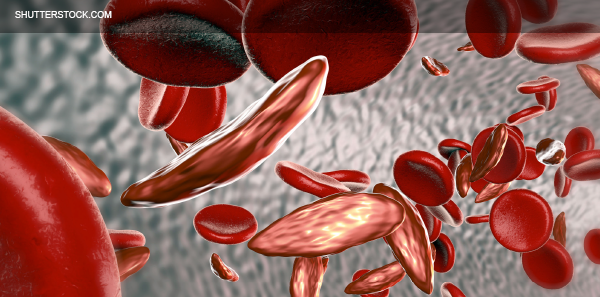
Adults with sickle cell disease who are experiencing a vaso-occlusive crisis may have better outcomes when they receive treatment at an infusion center than at the emergency department, a new study suggests.

You Might Also Like
  • Manage Sickle Cell Pain in the Emergency Department
  • ACEP Member Appointed to Sickle Cell Care Collaborative
  • ACEP Teams Up to Improve ED Sickle Cell Disease Care

Researchers examined data on 269 adults with sickle cell disease who had a total of 1,441 acute care visits on a weekday for uncomplicated vaso-occlusive crisis (VOC). Overall, 241 of these visits occurred in emergency departments (EDs) and 1,200 occurred at infusion centers (ICs).

Mean waiting times for the first dose of parenteral pain medication were shorter in ICs (62 minutes) than in emergency departments (132 minutes), the study found.

In addition, patients were significantly more likely to get their pain reassessed within 30 minutes at ICs than EDs (risk ratio 3.8). Patients also had a much higher probability of being discharged home instead of admitted to the hospital when they were treated at the IC and not the ED (RR 4.0), the authors report in Annals of Internal Medicine.

“We anticipated the decrease in hospital admission rates but I don’t think we anticipated how big a difference there would be,” said lead study author Dr. Sophie Lanzkron, a professor of medicine and oncology at the Johns Hopkins University School of Medicine in Baltimore.

“More rapid receipt of pain medication and assessing whether that pain medication works is better care, and as we show, leads to better outcomes,” Dr. Lanzkron said by email.

One limitation of the study is that the analysis of outcomes from IC and ED visits on weekdays may not be representative of what might occur on evenings and weekends, the study team notes. Often, IC treatment is only an option on weekdays, they point out.

Even so, the results are not surprising given the narrower treatment focus of ICs compared with EDs and the higher likelihood that ICs will have clinicians specially trained to manage sickle cell disease, said Dr. Julie Kanter of the University of Alabama at Birmingham, author of an editorial accompanying the study.

“I think you will also find that the patients treated mostly in infusion centers have less secondary complications including acute chest syndrome, central line infections, etc,” Dr. Kanter said by email.

The study didn’t examine the cost-effectiveness of treating sickle cell disease in ICs as opposed to the ED. However, it stands to reason that prioritizing treatment of sickle cell disease in the settings with the best outcomes and the best trained clinicians could improve the quality of care and save money, Dr. Kanter said.

Dr. Kanter noted that cancer patients don’t receive chemotherapy infusions in the ED, and instead receive treatment at dedicated infusion centers.

“We can improve the care of sickle cell disease,” Dr. Kanter said. “We can dedicate a little space to really improve outcomes for patients, providers and the system of care.”

Pages: 1 2 | Multi-Page

Topics: Pain and Palliative CareSickle Cell

Related

  • Sickle Cell Point-of-Care Tool Now Available

    October 19, 2021 - 0 Comment
  • Improve Your Emergency Department’s Pain and Addiction Care

    September 25, 2020 - 0 Comment
  • How to Perform an Adductor Canal Nerve Block

    August 21, 2020 - 0 Comment

Current Issue

ACEP Now: November 2025

Download PDF

Read More

No Responses to “Sickle Cell Outcomes Better at Infusion Center Than Emergency Department”

Leave a Reply Cancel Reply

Your email address will not be published. Required fields are marked *


*
*


Wiley
  • Home
  • About Us
  • Contact Us
  • Privacy
  • Terms of Use
  • Advertise
  • Cookie Preferences
Copyright © 2025 by John Wiley & Sons, Inc. All rights reserved, including rights for text and data mining and training of artificial technologies or similar technologies. ISSN 2333-2603
