Logo

Log In Sign Up |  An official publication of: American College of Emergency Physicians
Navigation
  • Home
  • Multimedia
    • Podcasts
    • Videos
  • Clinical
    • Airway Managment
    • Case Reports
    • Critical Care
    • Guidelines
    • Imaging & Ultrasound
    • Pain & Palliative Care
    • Pediatrics
    • Resuscitation
    • Trauma & Injury
  • Resource Centers
    • mTBI Resource Center
  • Career
    • Practice Management
      • Benchmarking
      • Reimbursement & Coding
      • Care Team
      • Legal
      • Operations
      • Quality & Safety
    • Awards
    • Certification
    • Compensation
    • Early Career
    • Education
    • Leadership
    • Profiles
    • Retirement
    • Work-Life Balance
  • Columns
    • ACEP4U
    • Airway
    • Benchmarking
    • Brief19
    • By the Numbers
    • Coding Wizard
    • EM Cases
    • End of the Rainbow
    • Equity Equation
    • FACEPs in the Crowd
    • Forensic Facts
    • From the College
    • Images in EM
    • Kids Korner
    • Medicolegal Mind
    • Opinion
      • Break Room
      • New Spin
      • Pro-Con
    • Pearls From EM Literature
    • Policy Rx
    • Practice Changers
    • Problem Solvers
    • Residency Spotlight
    • Resident Voice
    • Skeptics’ Guide to Emergency Medicine
    • Sound Advice
    • Special OPs
    • Toxicology Q&A
    • WorldTravelERs
  • Resources
    • ACEP.org
    • ACEP Knowledge Quiz
    • Issue Archives
    • CME Now
    • Annual Scientific Assembly
      • ACEP14
      • ACEP15
      • ACEP16
      • ACEP17
      • ACEP18
      • ACEP19
    • Annals of Emergency Medicine
    • JACEP Open
    • Emergency Medicine Foundation
  • About
    • Our Mission
    • Medical Editor in Chief
    • Editorial Advisory Board
    • Awards
    • Authors
    • Article Submission
    • Contact Us
    • Advertise
    • Subscribe
    • Privacy Policy
    • Copyright Information

Reader: “Rumors of Diphenhydramine’s Death Are Greatly Exaggerated”

By Michael E. Mullins MD, FACEP, FAACT | on September 9, 2022 | 0 Comment
Break Room Opinion Practice Changers
  • Tweet
  • Click to email a link to a friend (Opens in new window) Email
Print-Friendly Version

Dear Editor,

You Might Also Like
  • The Death of Diphenhydramine
  • Does New IV Urticaria Medication Offer Benefits Over Current Treatments?
  • The Death of Normal Saline: IV Fluids in 2019
Explore This Issue
ACEP Now: Vol 41 – No 09 – September 2022

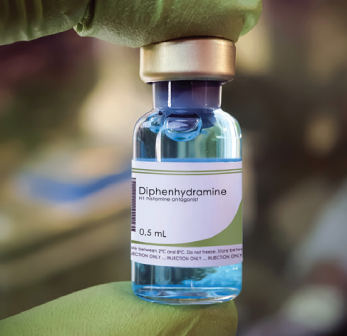
Dr. Westafer’s commentary on diphenhydramine makes several valid points about some misuses (e.g,. sleep aid) or overuses (routine adjunct in treating migraine headache) of the drug.1 However, I disagree that emergency physicians are unfamiliar with the “not-so-commonly-known side effects” of sedation, anti-muscarinic effects, and a “high” with rapid IV push. Taken together, these points are conflicting. The well-known sedating effect is the reason why some physicians may suggest it for sleep and why most over-the-counter sleep aids contain diphenhydramine. Likewise, the antimuscarinic effect is the intended effect for avoiding or treating akathisia caused by dopamine antagonists.

Her strong recommendation for IV cetirizine over IV diphenhydramine overlooks their large cost difference. Intravenous (IV) cetirizine has a wholesale cost of over $300.2,3 Charges to patients are likely much higher. Meanwhile, IV diphenhydramine costs less than $1.4 This large cost difference provides a non-inferior drug that may be slightly better. This large cost difference with modest incremental benefit is the reason why many hospitals (including my own) have not rushed to add IV cetirizine to their formularies. While cetirizine has less sedation, we generally know well that diphenhydramine is sedating and give discharge instructions to avoid driving or operating machinery.

The patent for IV cetirizine will expire in 2039, so we have 17 years to wait for the cost of IV cetirizine to approach the cost of diphenhydramine. To paraphrase a quote attributed to Mark Twain, rumors of the death of diphenhydramine are greatly exaggerated.5


Michael E. Mullins MD, FACEP, FAACT practices emergency medicine at St. Louis Children’s Hospital and Barnes-Jewish Hospital in St. Louis.

References

  1. Westafer L. The death of diphenhydramine. ACEP Now. 2022; 41(7):18.
  2. Intravenous cetirizine (Quzyttir) for acute urticaria. Med Lett Drugs Ther. 2020 Apr 6;62(1595):55-56.
  3. Amrol DJ. Intravenous cetirizine for acute urticaria. NEJM Journal Watch. Oct 29, 2020.
  4. Banerji A, Long A, Camargo C. Diphenhydramine versus non-sedating antihistamines for acute allergic reactions: A literature review. Allergy Asthma Proc. 2007; 28:418-426.
  5. http://www.twainquotes.com/Death.html (accessed 6 August 2022)

Topics: AnaphlyaxisantihistamineAsthmaBenadryldiphenhydramineLetter to the EditorQuality & Safety

Related

  • Drug-Facilitated Sexual Assault Presentation Varies

    August 25, 2025 - 0 Comment
  • Reader and Editor Respond: Non-ABEM Certified Emergency Physicians

    August 1, 2025 - 2 Comments
  • Can This Patient Leave Against Medical Advice?

    March 10, 2025 - 0 Comment

Current Issue

ACEP Now: November 2025

Download PDF

Read More

No Responses to “Reader: “Rumors of Diphenhydramine’s Death Are Greatly Exaggerated””

Leave a Reply Cancel Reply

Your email address will not be published. Required fields are marked *


*
*


Wiley
  • Home
  • About Us
  • Contact Us
  • Privacy
  • Terms of Use
  • Advertise
  • Cookie Preferences
Copyright © 2025 by John Wiley & Sons, Inc. All rights reserved, including rights for text and data mining and training of artificial technologies or similar technologies. ISSN 2333-2603