
According to the Center for Anxiety and Mood Disorders about one in three physicians experience “burnout” at any given time. Physicians are also 15 times more likely to experience burnout than other professionals.
Burnout is widely misconceived. Many assume it’s a phenomenon of physicians working too hard, not nurturing their bodies with the proper nutrition and sleep, and lacking resiliency and the ability to cope with stress. This is misleading. In using the term “burnout,” society is placing the blame on the physician. But, people don’t “burn out” because of weakness or poor self-care. We are under extraordinary stress that we are often unable to alleviate.
For physicians, this means the constant exposure to human suffering and pain, death, and workplace violence. These are a handful of challenges we face daily in the emergency department that can create an untenable work environment and even lead to post-traumatic stress disorder.
In addition, today’s emergency physicians are burdened by increasing administrative, regulatory, and technology responsibilities. Other stressors associated with the profession can include school-related debt and financial instability, credentialing challenges, and litigation. There’s also the time commitment and the sacrifices families have to make in addition to other personal obligations that can weigh on physicians.
Despite the nature of the work and the inherent stress, we are in this profession because of the opportunity to make a difference in peoples’ lives.
So, what is physician burnout? It is the conflict between meeting increasing demands without any concerted effort to mitigate them or provide extra resources, all while operating in extraordinarily stressful circumstances.
What is at Stake?
The health of physicians; the delivery of high-quality, patient-centered care; and the quality of life in our communities.
Burnout is taking a toll on physicians, and the consequences are sobering. It is believed that burnout contributes to 300 to 400 physician suicides each year. We must first take care of each other. We are there 24 hours a day, seven days a week to care for people when they need us most. Providing quality, patient-centered care means physicians have to be at their best and feel unencumbered, supported, and encouraged in their work.
As physicians, the goal is to provide quality, patient-centered care and be there for patients no matter the circumstance. However, an increased emphasis on administrative responsibilities can impede the ability to spend time face-to-face with patients and focus on what matters most, providing care.
Then, there’s the potential impact on the future of care delivery. Providing care to patients is a calling. There are so many knowledgeable, talented, and committed individuals who will one day make an impact on the health of patients. The neglect or inability to mitigate these burdens may deter them from pursuing their passion.
With fewer people entering the medical field, a decreasing physician workforce and an aging baby boomer population, there may be a point in which the physician supply will not keep up with the demand. This can put a strain on resources and additional pressure on physicians.
For both the health and well-being of physicians and patients, there must be an immediate and widespread cultural shift to address burnout. It is incumbent upon all of us to address this public health crisis together.
Addressing the Crisis
The solution is not as simple as telling a physician to maintain a balanced diet, exercise regularly, and get enough sleep. While lifestyle habits are essential to overall health, they are not going to make roadblocks to electronic health records disappear or help a physician meet quality reporting requirements. Hospitals, physician group practices, and professional associations should recognize this and develop ways to minimize burnout and provide clinician’s access to resources.
For example, different staffing models can divide the administrative burden while still reinforcing the delivery of patient-centered care. In addition, existing peer coaching programs and tools that foster personal well-being and professional growth also provide clinicians crucial support.
As the health care system continues to evolve and work toward advancing the delivery of care, challenges are to be expected. It is through innovation, collaboration, and a culture of understanding that physicians and the system will begin to work in concert to provide excellent care for patients and physicians.
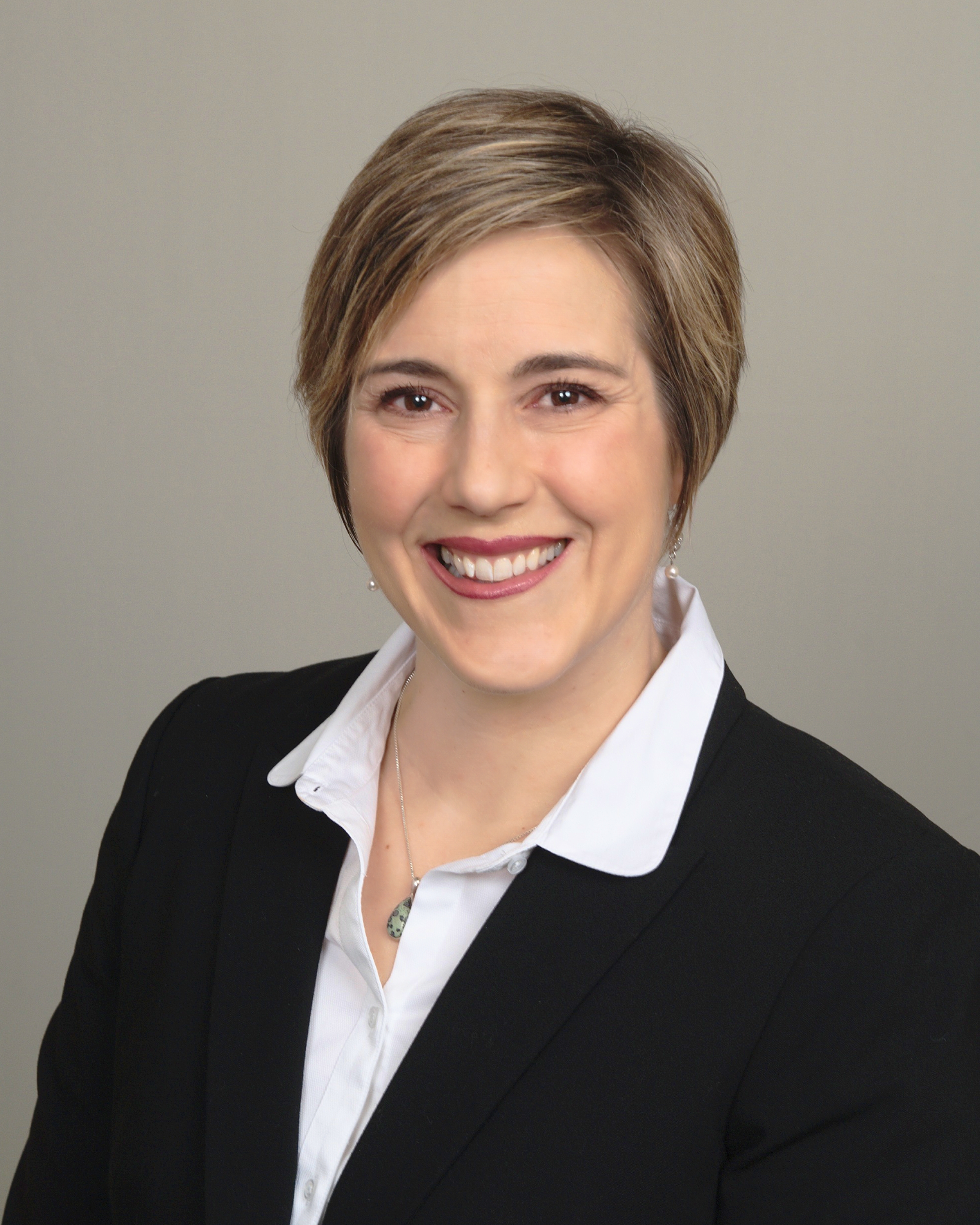 Dr. Simmons is the vice president of patient experience and clinician engagement for Envision Physician Services.
Pages: 1 2 | Multi-Page



One Response to “Physician Burnout: Addressing a Public Health Crisis”
April 15, 2019
Antony Hsu, MDWe are in the midst of an ‘immediate and widespread cultural change” which is unique in human history as communication methods brought on by the web has brought about rapid change in how we lead our lives. We have social media methods of reaching out to fellow docs, we can easily access our state and national representatives through our member organizations (ACEP for ED docs) and we are recognizing the multifaceted nature of the problem as this evolves.
On the other hand, we are also the nation that is in the midst of accelerating healthcare delivery changes and this may push us even more as physician leaders. Will we remain market-centered or will government play an even larger role and how will this affect our burnout?
Either way we go as a nation, we have to be mindful of our choices and how we provide the care as professionals. The military is another organization required to do more with less and where suicide is also a problem. They are starting to espouse mindfulness in their own way (to shoot or not to shoot) and each industry will find its best method.