
Logo

Log In Sign Up |  An official publication of: American College of Emergency Physicians
Navigation
  • Home
  • Multimedia
    • Podcasts
    • Videos
  • Clinical
    • Airway Managment
    • Case Reports
    • Critical Care
    • Guidelines
    • Imaging & Ultrasound
    • Pain & Palliative Care
    • Pediatrics
    • Resuscitation
    • Trauma & Injury
  • Resource Centers
    • mTBI Resource Center
  • Career
    • Practice Management
      • Benchmarking
      • Reimbursement & Coding
      • Care Team
      • Legal
      • Operations
      • Quality & Safety
    • Awards
    • Certification
    • Compensation
    • Early Career
    • Education
    • Leadership
    • Profiles
    • Retirement
    • Work-Life Balance
  • Columns
    • ACEP4U
    • Airway
    • Benchmarking
    • Brief19
    • By the Numbers
    • Coding Wizard
    • EM Cases
    • End of the Rainbow
    • Equity Equation
    • FACEPs in the Crowd
    • Forensic Facts
    • From the College
    • Images in EM
    • Kids Korner
    • Medicolegal Mind
    • Opinion
      • Break Room
      • New Spin
      • Pro-Con
    • Pearls From EM Literature
    • Policy Rx
    • Practice Changers
    • Problem Solvers
    • Residency Spotlight
    • Resident Voice
    • Skeptics’ Guide to Emergency Medicine
    • Sound Advice
    • Special OPs
    • Toxicology Q&A
    • WorldTravelERs
  • Resources
    • ACEP.org
    • ACEP Knowledge Quiz
    • Issue Archives
    • CME Now
    • Annual Scientific Assembly
      • ACEP14
      • ACEP15
      • ACEP16
      • ACEP17
      • ACEP18
      • ACEP19
    • Annals of Emergency Medicine
    • JACEP Open
    • Emergency Medicine Foundation
  • About
    • Our Mission
    • Medical Editor in Chief
    • Editorial Advisory Board
    • Awards
    • Authors
    • Article Submission
    • Contact Us
    • Advertise
    • Subscribe
    • Privacy Policy
    • Copyright Information

Onsite Medical Care, Resuscitation Increasingly Important at Mass Gathering Events

By Chrissy H. Chan, MD, and Matt S. Friedman, MD | on April 11, 2017 | 0 Comment
Features
  • Tweet
  • Click to email a link to a friend (Opens in new window) Email
Print-Friendly Version
ILLUSTRATION: Chris Whissen PHOTOS: shutterstock.com

A literature review identified multiple interacting variables that affect the MUR.9 The following variables (see Table 1) contribute significantly to the PPRs: ambient temperature, event type, event duration, crowd mood, crowd density, attendance, average age, and the prevalence of alcohol and drug use. Cold and rainy days generally lead to lower PPRs but with a higher incidence of hypothermia, frostbite, and falls, while hot weather leads to higher PPRs for dehydration, insect bites, and sunburns.9 Rock concerts have a positive correlation with trauma (often secondary to moshing and crowd surfing).9 At music concerts, attendees often have limited mobility and consume drugs and excessive amounts of alcohol, leading to higher PPRs. Event duration extends exposure and increases exhaustion.9 Crowd density may affect crowd mood, limit access of patrons to water and facilities, and limit EMS access to potential patients.9 Interestingly, PPRs tend to decrease with higher attendance (ie, as the number of spectators increases, the number of patients evaluated per 10,000 in attendance decreases).9 The reasons for this are not understood.

You Might Also Like
  • Tips on Treating Medical Emergencies at End of Life for Patients Who Don’t Want Resuscitation
  • Emergency Physician and Victim Share Experiences from Las Vegas Mass Shooting
  • ACEP16 Research Forum Integrates Science, Education Throughout Conference; Features Abstracts Onsite
Explore This Issue
ACEP Now: Vol 36 – No 04 – April 2017

Younger adult spectators use more alcohol and drugs than older spectators and have increased trauma, often secondary to physical altercations.9 Age distribution of a particular event is also a key variable as medical and social issues for older patrons differ widely from those of younger crowds due to their behavior, judgment, frailty, and vulnerability.9

Heat index is associated directly with PPRs.13 The heat index at the kickoff times of football games in the southeastern United States was compared to the PPRs for the games over the course of four years. For every 10-degree increase in the heat index, three more patients per 10,000 patrons required medical care.
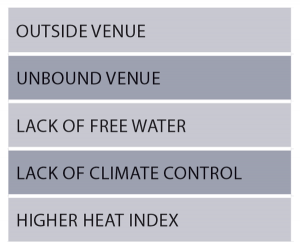
Table 2: Variables That Predict Increased Patient Presentation Rate

Table 2: Variables That Predict Increased Patient Presentation Rate

Five variables (see Table 2) are known to increase PPR: unbounded venues, outdoor venues, events lacking free water, lack of climate control, and a higher heat index. 5 Thus, medical staffing should be especially prepared if these risk factors exist. After accounting for these other variables, the presence of alcohol does not increase the PPR.

Conclusion

The following actions can improve patient safety at mass gatherings as described in a recent prospective analysis of patients at a large outdoor summertime mass gathering: develop and drill incident action plans in preparation for disaster scenarios and mass casualty incidents; use roaming, clearly identified medical staff; provide free water for attendees; designate multiple access points for EMS in the event of transport or a mass casualty incident; and use trained medical staff capable of administering rapid cooling, benzodiazepines, and advanced airway management, including rapid sequence intubation.14

Pages: 1 2 3 | Single Page

Topics: ConcertDrug UseED Critical CareEmergency MedicineEmergency PhysiciansEvent MedicineExhibitionsGamesMass GatheringMass Gathering MedicineOnsite CareOutcomePublic HealthResuscitationSportsTrauma & InjuryTreatment

Related

  • Opinion: Physicians Must Reduce Plastic Waste

    December 4, 2025 - 0 Comment
  • Event Medicine: Where Fun and Safety Sing in Perfect Harmony

    October 9, 2025 - 1 Comment
  • October 2025 News from the College

    September 23, 2025 - 0 Comment

Current Issue

ACEP Now: November 2025

Download PDF

Read More

No Responses to “Onsite Medical Care, Resuscitation Increasingly Important at Mass Gathering Events”

Leave a Reply Cancel Reply

Your email address will not be published. Required fields are marked *


*
*


Wiley
  • Home
  • About Us
  • Contact Us
  • Privacy
  • Terms of Use
  • Advertise
  • Cookie Preferences
Copyright © 2025 by John Wiley & Sons, Inc. All rights reserved, including rights for text and data mining and training of artificial technologies or similar technologies. ISSN 2333-2603