Logo

Log In Sign Up |  An official publication of: American College of Emergency Physicians
Navigation
  • Home
  • Multimedia
    • Podcasts
    • Videos
  • Clinical
    • Airway Managment
    • Case Reports
    • Critical Care
    • Guidelines
    • Imaging & Ultrasound
    • Pain & Palliative Care
    • Pediatrics
    • Resuscitation
    • Trauma & Injury
  • Resource Centers
    • mTBI Resource Center
  • Career
    • Practice Management
      • Benchmarking
      • Reimbursement & Coding
      • Care Team
      • Legal
      • Operations
      • Quality & Safety
    • Awards
    • Certification
    • Compensation
    • Early Career
    • Education
    • Leadership
    • Profiles
    • Retirement
    • Work-Life Balance
  • Columns
    • ACEP4U
    • Airway
    • Benchmarking
    • Brief19
    • By the Numbers
    • Coding Wizard
    • EM Cases
    • End of the Rainbow
    • Equity Equation
    • FACEPs in the Crowd
    • Forensic Facts
    • From the College
    • Images in EM
    • Kids Korner
    • Medicolegal Mind
    • Opinion
      • Break Room
      • New Spin
      • Pro-Con
    • Pearls From EM Literature
    • Policy Rx
    • Practice Changers
    • Problem Solvers
    • Residency Spotlight
    • Resident Voice
    • Skeptics’ Guide to Emergency Medicine
    • Sound Advice
    • Special OPs
    • Toxicology Q&A
    • WorldTravelERs
  • Resources
    • ACEP.org
    • ACEP Knowledge Quiz
    • Issue Archives
    • CME Now
    • Annual Scientific Assembly
      • ACEP14
      • ACEP15
      • ACEP16
      • ACEP17
      • ACEP18
      • ACEP19
    • Annals of Emergency Medicine
    • JACEP Open
    • Emergency Medicine Foundation
  • About
    • Our Mission
    • Medical Editor in Chief
    • Editorial Advisory Board
    • Awards
    • Authors
    • Article Submission
    • Contact Us
    • Advertise
    • Subscribe
    • Privacy Policy
    • Copyright Information

New ACEP Clinical Policy on Transient Ischemic Attack

By Bruce M. Lo, MD, MBA, RDMS, FACEP | on November 13, 2016 | 2 Comments
Features
  • Tweet
  • Click to email a link to a friend (Opens in new window) Email
Print-Friendly Version

Question 3. In adult patients with suspected TIA, is carotid ultrasonography as accurate as neck CTA or MRA in identifying severe carotid stenosis?

You Might Also Like
  • New ACEP Clinical Policy on Transient Ischemic Attack
  • ACEP Clinical Policy on Acute Carbon Monoxide Poisoning
  • ACEP to Reconsider Clinical Policy on Use of Intravenous tPA to Manage Acute Ischemic Stroke in the ED
Explore This Issue
ACEP Now: Vol 35 – No 11 – November 2016

Patient Management Recommendations

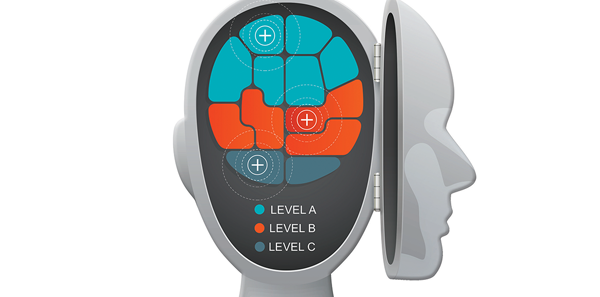
  • Level A: None specified.
  • Level B: None specified.
  • Level C: In adult patients with suspected TIA, carotid ultrasonography may be used to exclude severe carotid stenosis because it has an accuracy similar to that of MRA or CTA.

Question 4. In adult patients with suspected TIA, can a rapid ED-based diagnostic protocol safely identify patients at short-term risk for stroke?

Patient Management Recommendations

  • Level A: None specified.
  • Level B: In adult patients with suspected TIA without high-risk conditions, a rapid ED-based diagnostic protocol may be used to evaluate patients at short-term risk for stroke. (High-risk conditions include abnormal initial head CT result [if obtained], suspected embolic source [presence of atrial fibrillation, cardiomyopathy, or valvulopathy], known carotid stenosis, previous large stroke, and crescendo TIA.)
  • Level C: None specified.

Because of the high risk of stroke after a TIA, timely diagnostic testing for modifiable risk factors is important. This can be done in a number of ways, including an ED-based protocol (eg, ED observation) and should include neurovascular imaging.

While there are a number of risk stratification instruments for TIA, none are currently sufficient in identifying patients who are at low short-term risk for stroke and who can be safely discharged from the ED. More research is needed to develop better risk-stratification instruments as well as identifying which diagnostics tests should be performed during the ED visit versus as an outpatient.


Dr. Lo is an associate professor of emergency medicine at Eastern Virginia Medical School, Norfolk, Virginia, and medical director of the department of emergency medicine at Sentara Norfolk General Hospital, Norfolk, Virginia.

Pages: 1 2 | Single Page

Topics: ACEPAmerican College of Emergency PhysiciansClinicalClinical GuidelineCritical CareEmergency MedicineGuidelinePractice ManagementStrokeTIATransient Ischemic Attack

Related

  • Why the Nonrebreather Should be Abandoned

    December 3, 2025 - 0 Comment
  • Florida Emergency Department Adds Medication-Dispensing Kiosk

    November 7, 2025 - 1 Comment
  • Q&A with ACEP President L. Anthony Cirillo

    November 5, 2025 - 0 Comment

Current Issue

ACEP Now: November 2025

Download PDF

Read More

2 Responses to “New ACEP Clinical Policy on Transient Ischemic Attack”

  1. November 21, 2016

    Jonathan S Fried MD Reply

    Not much help, why publish a new clinical policy, if it has so little to offer?

    • November 28, 2016

      Kurt Kaczander, DO Reply

      Agreed. Nebulous recommendations that don’t aid in our decision making..

Leave a Reply Cancel Reply

Your email address will not be published. Required fields are marked *


*
*


Wiley
  • Home
  • About Us
  • Contact Us
  • Privacy
  • Terms of Use
  • Advertise
  • Cookie Preferences
Copyright © 2025 by John Wiley & Sons, Inc. All rights reserved, including rights for text and data mining and training of artificial technologies or similar technologies. ISSN 2333-2603
