
Even within the confines of 140 characters, much can be said. However, one of Twitter’s great features is that it allows pictures in exchange for characters. When it comes to medical education, tweets with images seem to have special potential to go viral. EM educators like Salim Rezaie, MD, FACEP (@srrezaie), a physician in the division of emergency medicine and hospitalist medicine at the University of Texas Health Science Center at San Antonio, and Michelle Lin, MD (@M_Lin), associate professor of emergency medicine at the University of California, San Francisco, have turned the creation of succinct medical-education images into a form of high art, earning countless views and retweets. Last month, a new account called @EMinfographics popped up and caught my eye. This account is getting in on the act and has already posted a handful of excellent images that anyone can save to their smartphone photo album or desktop with a couple of touches or clicks. I frequently save these images in a “medical images” album on my phone for quick reference during shifts or when teaching. For this month’s column, I’m highlighting some great images that showed up on my feed and that prove a great medical-education picture can be worth 1,000 characters.
Explore This Issue
ACEP Now: Vol 34 – No 05 – May 2015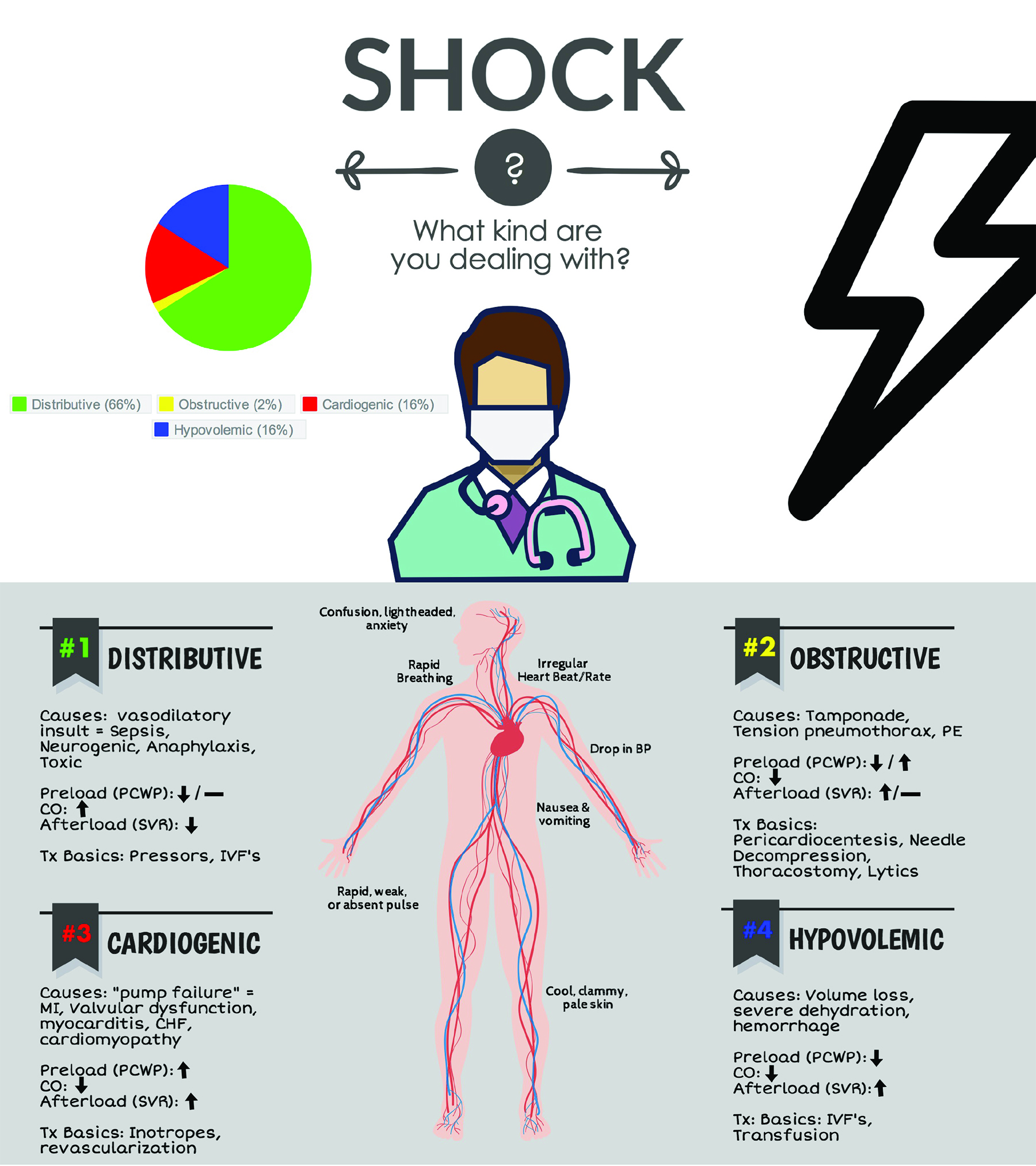
(click for larger image)
Figure 1.
@EMinfographics posted this image on shock (see Figure 1). On one slide, they’ve packed in important distinguishing features of the four major types of shock we have to rapidly diagnose and treat. It’s a great image for teaching, and it’s even a good reminder to the seasoned vet.
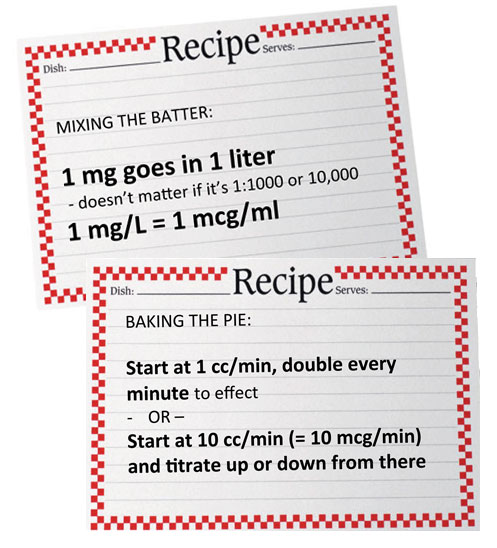
Speaking of shock, Hilary Fairbrother, MD, MPH, FACEP (@hilaryfair), assistant director of undergraduate medical education at the Ronald O. Perelman Department of Emergency Medicine at New York University School of Medicine in New York, tweeted these two images (see Figure 2) from
(click for larger image)
Figure 2.
a lecture by Peter Viccellio, MD, FACEP, clinical professor and vice chair of emergency medicine at Stony Brook School of Medicine (who makes a cameo in the images), with the simple title “Epi drips for dummies.” The first image is the recipe for making a 1 mcg/mL epinephrine drip, and the second gives two titration schemes. I’ve already used these images during my shifts.
Davis Gattas, MD (@dgattas), an intensivist at the University of Sydney, tweeted this image (see Figure 3) from a hot-off-the-press New England Journal of Medicine article that suggests systemic inflammatory response syndrome (SIRS) may not be as accurate or useful as we previously thought.1 The tweeted

(click for larger image)
Figure 3.
Image Credit: The New England Journal of Medicine ©2015.
image did what all good #FOAMed (free open access medical education) should do: it inspired me to read a new primary literature paper that I otherwise would not have.
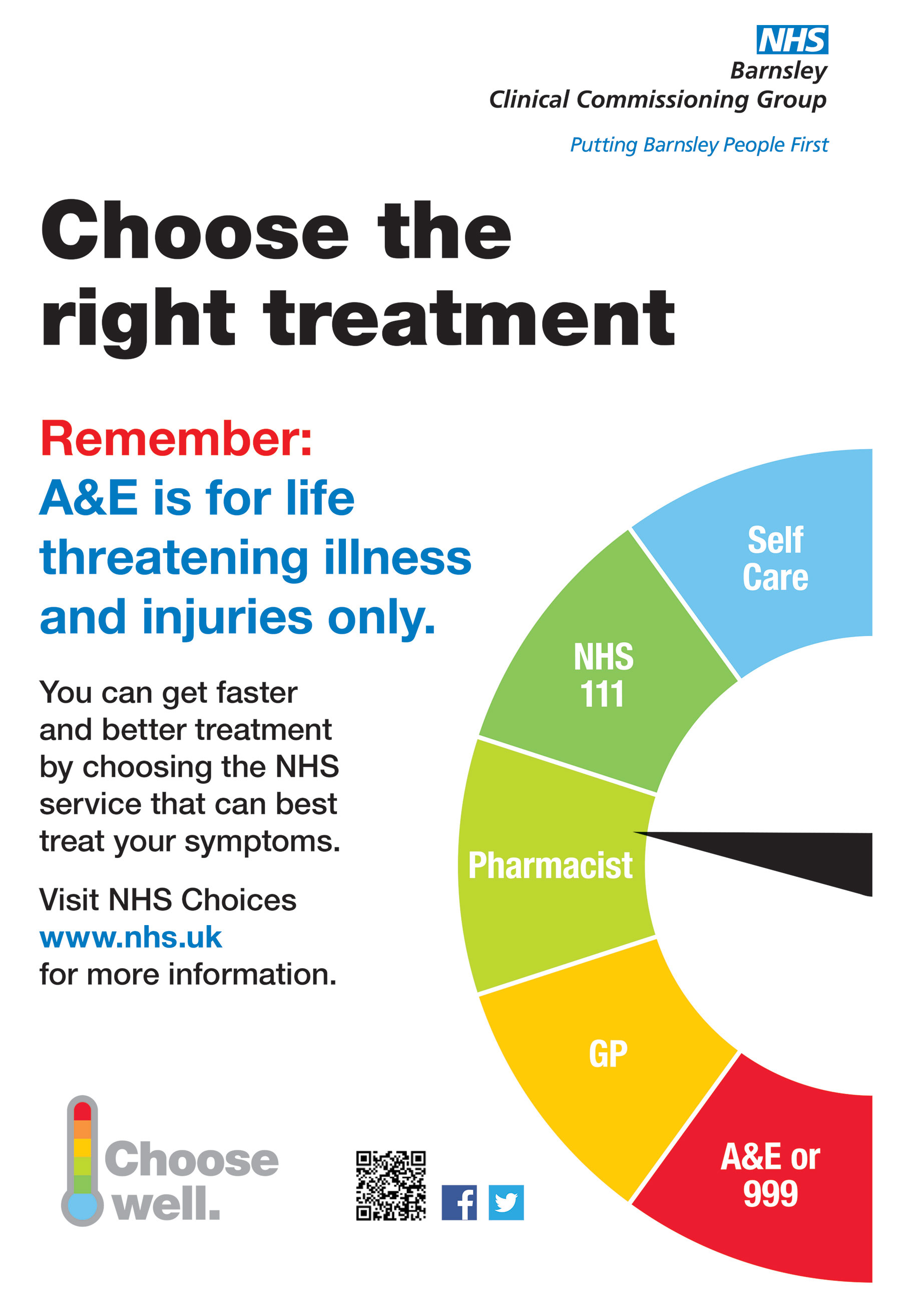
One of my own attendings at Mount Sinai Hospital in New York and Twitter newbie Amy Leuthauser, MD (@AmyLeuthauser), has vowed to “win” Twitter. So far, it’s working. Her tweet is a picture that she took in the London Underground of an ad from the United Kingdom’s National Health Service (NHS) designed to decrease unnecessary emergency department visits (see Figure 4), and it sparked quite the #FOAMed debate. The NHS sign discourages patients from using EDs for nonemergencies. The question is: is that a good strategy, or does it put the blame on
(click for larger image)
Figure 4
patients instead of a bloated, outpatient system? That important debate played out on BoringEM, a blog by Brent Thoma, MD, emergency medicine resident at the University of Saskatchewan in Saskatoon, Canada, thanks to an excellent post he wrote on the topic. It garnered many insightful comments by several #FOAMites, including Dr. Seth Trueger (@MDaware), Dr. Damian Roland (@Damian_Roland), EM physician assistant Patrick Bafuma (@EMinFocus), Dr. Nadim Lalani (@ERMentor), medical student Gerhard Dashi (@GerhardDashi), Dr. Rajiv Thavanathan (@rajivthala), me, and others. These top-notch, informed, nuanced, and varying opinions all stemmed from a tweet and a blog.
Finally, in the wake of Leonard Nimoy’s death, medical student and #FOAMed

Figure 5.
wunderkind, the future doctor Aidan Baron (@aLittleMedic), a student in Sydney, Australia, tweeted this image that should help you remember the dermatomal distribution of the brachial plexus once and for all (see Figure 5). In his tweet, Mr. Baron thanked whoever anonymously created this inspired image, but in turn, I thank him for bringing it to my Twitter feed. Live long and prosper, my friends, and may your brachial plexi be intact.
Reference
Pages: 1 2 | Multi-Page



No Responses to “Medical Education Images on Twitter Have Potential to Go Viral”