Logo

Log In Sign Up |  An official publication of: American College of Emergency Physicians
Navigation
  • Home
  • Multimedia
    • Podcasts
    • Videos
  • Clinical
    • Airway Managment
    • Case Reports
    • Critical Care
    • Guidelines
    • Imaging & Ultrasound
    • Pain & Palliative Care
    • Pediatrics
    • Resuscitation
    • Trauma & Injury
  • Resource Centers
    • mTBI Resource Center
  • Career
    • Practice Management
      • Benchmarking
      • Reimbursement & Coding
      • Care Team
      • Legal
      • Operations
      • Quality & Safety
    • Awards
    • Certification
    • Compensation
    • Early Career
    • Education
    • Leadership
    • Profiles
    • Retirement
    • Work-Life Balance
  • Columns
    • ACEP4U
    • Airway
    • Benchmarking
    • Brief19
    • By the Numbers
    • Coding Wizard
    • EM Cases
    • End of the Rainbow
    • Equity Equation
    • FACEPs in the Crowd
    • Forensic Facts
    • From the College
    • Images in EM
    • Kids Korner
    • Medicolegal Mind
    • Opinion
      • Break Room
      • New Spin
      • Pro-Con
    • Pearls From EM Literature
    • Policy Rx
    • Practice Changers
    • Problem Solvers
    • Residency Spotlight
    • Resident Voice
    • Skeptics’ Guide to Emergency Medicine
    • Sound Advice
    • Special OPs
    • Toxicology Q&A
    • WorldTravelERs
  • Resources
    • ACEP.org
    • ACEP Knowledge Quiz
    • Issue Archives
    • CME Now
    • Annual Scientific Assembly
      • ACEP14
      • ACEP15
      • ACEP16
      • ACEP17
      • ACEP18
      • ACEP19
    • Annals of Emergency Medicine
    • JACEP Open
    • Emergency Medicine Foundation
  • About
    • Our Mission
    • Medical Editor in Chief
    • Editorial Advisory Board
    • Awards
    • Authors
    • Article Submission
    • Contact Us
    • Advertise
    • Subscribe
    • Privacy Policy
    • Copyright Information

Medical Education Images on Twitter Have Potential to Go Viral

By Jeremy Samuel Faust, MD, MS, MA, FACEP | on May 13, 2015 | 0 Comment
The Feed
  • Tweet
  • Click to email a link to a friend (Opens in new window) Email
Print-Friendly Version
The New England Journal of Medicine ©2015.

You Might Also Like
  • Free Open Access Medical Education Twitter Authors Appear in Top Peer-Reviewed Journals
  • Emergency Medicine Experts Share Tips for Who to Follow on Twitter
  • Free Open Access Medical Resources Beyond Twitter
Explore This Issue
ACEP Now: Vol 34 – No 05 – May 2015

(click for larger image)
Figure 3.
Image Credit: The New England Journal of Medicine ©2015.

image did what all good #FOAMed (free open access medical education) should do: it inspired me to read a new primary literature paper that I otherwise would not have.


One of my own attendings at Mount Sinai Hospital in New York and Twitter newbie Amy Leuthauser, MD (@AmyLeuthauser), has vowed to “win” Twitter. So far, it’s working. Her tweet is a picture that she took in the London Underground of an ad from the United Kingdom’s National Health Service (NHS) designed to decrease unnecessary emergency department visits (see Figure 4), and it sparked quite the #FOAMed debate. The NHS sign discourages patients from using EDs for nonemergencies. The question is: is that a good strategy, or does it put the blame on
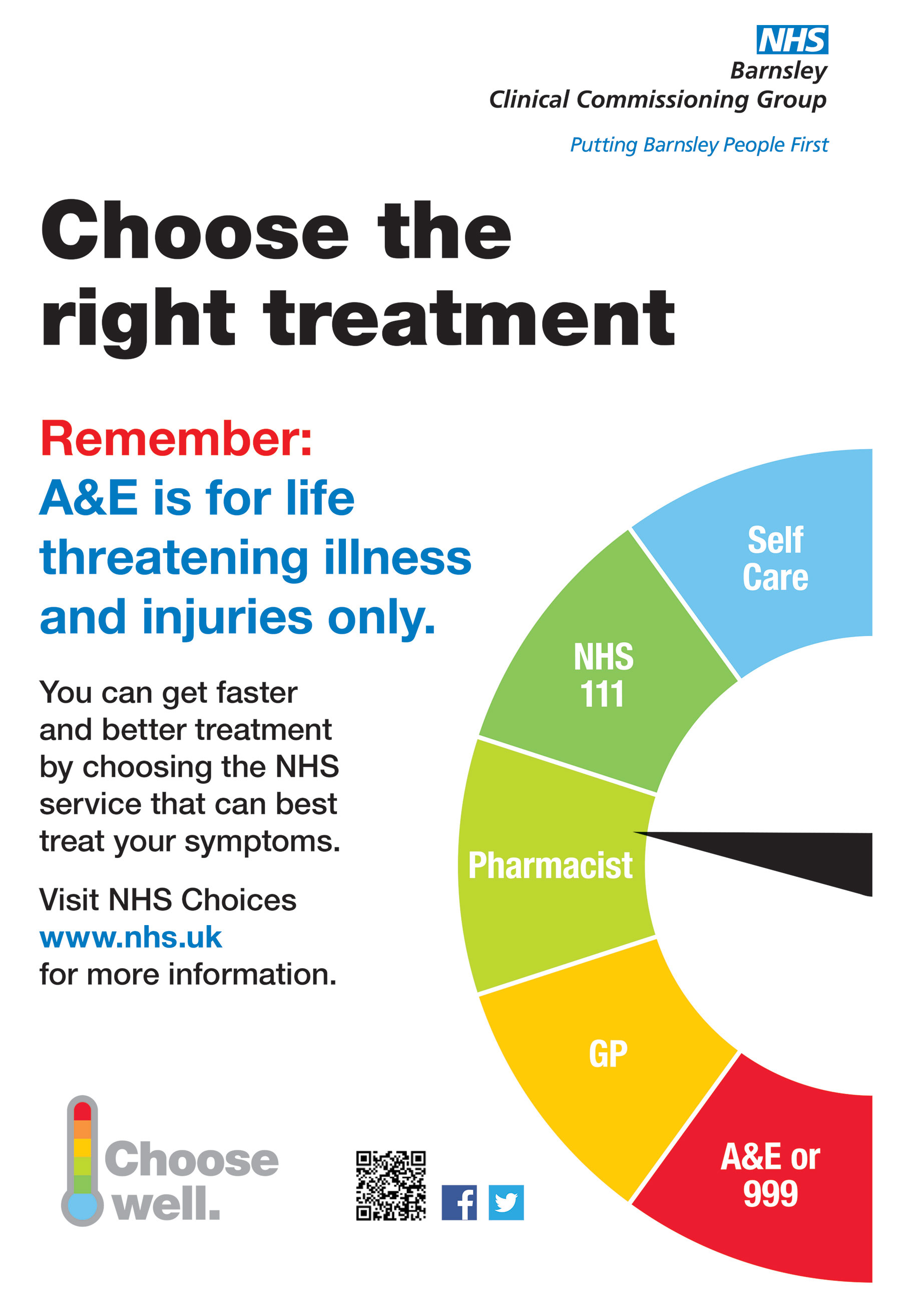
Figure 4

(click for larger image)
Figure 4

patients instead of a bloated, outpatient system? That important debate played out on BoringEM, a blog by Brent Thoma, MD, emergency medicine resident at the University of Saskatchewan in Saskatoon, Canada, thanks to an excellent post he wrote on the topic. It garnered many insightful comments by several #FOAMites, including Dr. Seth Trueger (@MDaware), Dr. Damian Roland (@Damian_Roland), EM physician assistant Patrick Bafuma (@EMinFocus), Dr. Nadim Lalani (@ERMentor), medical student Gerhard Dashi (@GerhardDashi), Dr. Rajiv Thavanathan (@rajivthala), me, and others. These top-notch, informed, nuanced, and varying opinions all stemmed from a tweet and a blog.


Finally, in the wake of Leonard Nimoy’s death, medical student and #FOAMed

Figure 5.

Figure 5.

wunderkind, the future doctor Aidan Baron (@aLittleMedic), a student in Sydney, Australia, tweeted this image that should help you remember the dermatomal distribution of the brachial plexus once and for all (see Figure 5). In his tweet, Mr. Baron thanked whoever anonymously created this inspired image, but in turn, I thank him for bringing it to my Twitter feed. Live long and prosper, my friends, and may your brachial plexi be intact.

Reference

  1. Kaukonen KM, Bailey M, Pilcher D, et al. Systemic inflammatory response syndrome criteria in defining severe sepsis. N Engl J Med. March 17, 2015. [Epub ahead of print]

Pages: 1 2 | Single Page

Topics: EducationEmergency PhysicianPractice TrendsSocial MediaTechnologyTwitter

Related

  • Florida Emergency Department Adds Medication-Dispensing Kiosk

    November 7, 2025 - 1 Comment
  • FACEPs in the Crowd: Dr. John Ludlow

    November 5, 2025 - 0 Comment
  • ACEP4U: the ACEP/CORD Teaching Fellowship

    November 4, 2025 - 0 Comment

Current Issue

ACEP Now: November 2025

Download PDF

Read More

About the Author

Jeremy Samuel Faust, MD, MS, MA, FACEP

Jeremy Samuel Faust, MD, MS, MA, FACEP, is Medical Editor in Chief of ACEP Now, an instructor at Harvard Medical School and an attending physician in department of emergency medicine at Brigham & Women’s Hospital in Boston. Follow him on twitter @JeremyFaust.

View this author's posts »

No Responses to “Medical Education Images on Twitter Have Potential to Go Viral”

Leave a Reply Cancel Reply

Your email address will not be published. Required fields are marked *


*
*


Wiley
  • Home
  • About Us
  • Contact Us
  • Privacy
  • Terms of Use
  • Advertise
  • Cookie Preferences
Copyright © 2025 by John Wiley & Sons, Inc. All rights reserved, including rights for text and data mining and training of artificial technologies or similar technologies. ISSN 2333-2603