Logo

Log In Sign Up |  An official publication of: American College of Emergency Physicians
Navigation
  • Home
  • Multimedia
    • Podcasts
    • Videos
  • Clinical
    • Airway Managment
    • Case Reports
    • Critical Care
    • Guidelines
    • Imaging & Ultrasound
    • Pain & Palliative Care
    • Pediatrics
    • Resuscitation
    • Trauma & Injury
  • Resource Centers
    • mTBI Resource Center
  • Career
    • Practice Management
      • Benchmarking
      • Reimbursement & Coding
      • Care Team
      • Legal
      • Operations
      • Quality & Safety
    • Awards
    • Certification
    • Compensation
    • Early Career
    • Education
    • Leadership
    • Profiles
    • Retirement
    • Work-Life Balance
  • Columns
    • ACEP4U
    • Airway
    • Benchmarking
    • Brief19
    • By the Numbers
    • Coding Wizard
    • EM Cases
    • End of the Rainbow
    • Equity Equation
    • FACEPs in the Crowd
    • Forensic Facts
    • From the College
    • Images in EM
    • Kids Korner
    • Medicolegal Mind
    • Opinion
      • Break Room
      • New Spin
      • Pro-Con
    • Pearls From EM Literature
    • Policy Rx
    • Practice Changers
    • Problem Solvers
    • Residency Spotlight
    • Resident Voice
    • Skeptics’ Guide to Emergency Medicine
    • Sound Advice
    • Special OPs
    • Toxicology Q&A
    • WorldTravelERs
  • Resources
    • ACEP.org
    • ACEP Knowledge Quiz
    • Issue Archives
    • CME Now
    • Annual Scientific Assembly
      • ACEP14
      • ACEP15
      • ACEP16
      • ACEP17
      • ACEP18
      • ACEP19
    • Annals of Emergency Medicine
    • JACEP Open
    • Emergency Medicine Foundation
  • About
    • Our Mission
    • Medical Editor in Chief
    • Editorial Advisory Board
    • Awards
    • Authors
    • Article Submission
    • Contact Us
    • Advertise
    • Subscribe
    • Privacy Policy
    • Copyright Information

Influencing the Outcome of the ED Patient Experience of Care Survey

By Jay Kaplan, MD, FACEP | on June 12, 2018 | 1 Comment
Features
  • Tweet
  • Click to email a link to a friend (Opens in new window) Email
Print-Friendly Version
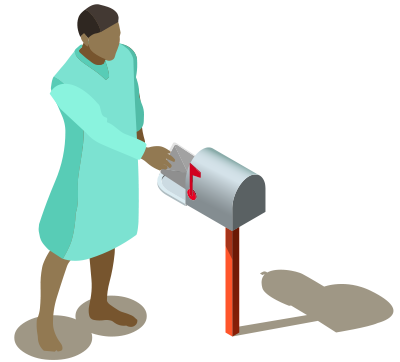
ILLUSTRATION: Chris Whissen & shutterstock.com

You Might Also Like
  • 2015 Emergency Department Survey Shows Spike in Volume, Structural Changes, Patient Boarding Concerns
  • ACEP Leadership Team Meets with the Centers for Medicare & Medicaid Services, Joint Commission, American Hospital Association, and More
  • National Hospital Ambulatory Medical Care Survey Data Show Increase in Emergency Department Visits
Explore This Issue
ACEP Now: Vol 37 – No 06 – June 2018

ILLUSTRATION: Chris Whissen & shutterstock.com

It is no secret that emergency physicians have been unhappy about patient satisfaction surveys. While there is much evidence in the medical literature that the patient experience and patient clinical outcomes are interdependent, the surveys that have measured “patient satisfaction” have suffered from significant methodological flaws including:

  • Too many questions leading to a poor response rate (anywhere from 3 to 17 percent, averaging around 10 to 11 percent).
  • Inappropriate questions such as, “During your ER visit, did the doctors and nurses do everything they could to help you with your pain?” while in the midst of an opioid epidemic.
  • An inappropriately small sample size leading to wide variation in scores and questions regarding statistical validity.
  • A delay of six to eight weeks in the survey results, making the response to patient perception difficult in terms of performance improvement.
  • The inability to give individual physicians actionable feedback unless the sample is gathered over six to 12 months, with too long a lapse by the time the physician receives feedback.

On top of those issues, use of the survey results by hospitals and physician employers has been problematic due to their decisions to implement:

  • Physician credentialing based on patient experience as one of the criteria, when the sample size is far too small.
  • Payment incentives based on ED patient satisfaction when physician communication and behavior is one of a multitude of factors, over most of which the emergency physician has little or no control.

History of Hospital Satisfaction Surveys

Patient satisfaction surveys have been in existence since the mid 1980s, and many physicians who were practicing at that time remember that even back then there was intense pressure from senior hospital leaders to improve patient satisfaction as a way to grow market share and build the financial bottom line.

More than 10 years ago, the Centers for Medicare and Medicaid Services (CMS) implemented the Hospital Consumer Assessment of Health Care Providers and Systems (HCAHPS) survey. This survey, on inpatients age 18 and older who are discharged home, has been the foundation on which other surveys, such as the Clinician and Group CAHPS survey (which measures patients seen in the outpatient clinic/physician office setting), have been built. For the past four to five years, CMS, utilizing the RAND Corporation, has been working on the government-sponsored ED survey, which now has a new name, the ED Patient Experience of Care (EDPEC) survey. While initial development included versions to be used for admitted as well as discharged patients, the survey in current development is only for patients “discharged to community” (DTC).

Pages: 1 2 3 4 | Single Page

Topics: benchmarkingCenters for Medicare and Medicaid ServicesCMSPatient SurveyQuality and Safety

Related

  • Emergency Department Patient Challenges to Come

    November 11, 2022 - 0 Comment
  • A Mid-Year ACEP Overview with President Dr. Gillian Schmitz

    July 7, 2022 - 0 Comment
  • ACEP Delivers on Out-of-Network Billing

    January 7, 2021 - 2 Comments

Current Issue

ACEP Now: November 2025

Download PDF

Read More

One Response to “Influencing the Outcome of the ED Patient Experience of Care Survey”

  1. June 22, 2018

    Janice Titano Reply

    Are there any other members of the ED team invited to comment/propose to CMS?

Leave a Reply Cancel Reply

Your email address will not be published. Required fields are marked *


*
*


Wiley
  • Home
  • About Us
  • Contact Us
  • Privacy
  • Terms of Use
  • Advertise
  • Cookie Preferences
Copyright © 2025 by John Wiley & Sons, Inc. All rights reserved, including rights for text and data mining and training of artificial technologies or similar technologies. ISSN 2333-2603
