Logo

Log In Sign Up |  An official publication of: American College of Emergency Physicians
Navigation
  • Home
  • Multimedia
    • Podcasts
    • Videos
  • Clinical
    • Airway Managment
    • Case Reports
    • Critical Care
    • Guidelines
    • Imaging & Ultrasound
    • Pain & Palliative Care
    • Pediatrics
    • Resuscitation
    • Trauma & Injury
  • Resource Centers
    • mTBI Resource Center
  • Career
    • Practice Management
      • Benchmarking
      • Reimbursement & Coding
      • Care Team
      • Legal
      • Operations
      • Quality & Safety
    • Awards
    • Certification
    • Compensation
    • Early Career
    • Education
    • Leadership
    • Profiles
    • Retirement
    • Work-Life Balance
  • Columns
    • ACEP4U
    • Airway
    • Benchmarking
    • Brief19
    • By the Numbers
    • Coding Wizard
    • EM Cases
    • End of the Rainbow
    • Equity Equation
    • FACEPs in the Crowd
    • Forensic Facts
    • From the College
    • Images in EM
    • Kids Korner
    • Medicolegal Mind
    • Opinion
      • Break Room
      • New Spin
      • Pro-Con
    • Pearls From EM Literature
    • Policy Rx
    • Practice Changers
    • Problem Solvers
    • Residency Spotlight
    • Resident Voice
    • Skeptics’ Guide to Emergency Medicine
    • Sound Advice
    • Special OPs
    • Toxicology Q&A
    • WorldTravelERs
  • Resources
    • ACEP.org
    • ACEP Knowledge Quiz
    • Issue Archives
    • CME Now
    • Annual Scientific Assembly
      • ACEP14
      • ACEP15
      • ACEP16
      • ACEP17
      • ACEP18
      • ACEP19
    • Annals of Emergency Medicine
    • JACEP Open
    • Emergency Medicine Foundation
  • About
    • Our Mission
    • Medical Editor in Chief
    • Editorial Advisory Board
    • Awards
    • Authors
    • Article Submission
    • Contact Us
    • Advertise
    • Subscribe
    • Privacy Policy
    • Copyright Information

The Incomplete Macro Manifesto

By Jeremy Samuel Faust, MD, MS, MA, FACEP | on May 1, 2013 | 1 Comment
Opinion
  • Tweet
  • Click to email a link to a friend (Opens in new window) Email
Print-Friendly Version

My incomplete macros contain percentage odds and sometimes cite literature. But most importantly, they crystalize my thinking and encourage thoughtful deliberation. For any chest pain patient, my incomplete macro (.ChestRisk) reminds me to document why I am assured that this pain is unlikely to have an aortic dissection, pericarditis, esophageal rupture, pneumothorax, acute coronary syndrome, pulmonary embolism, or pneumonia.

You Might Also Like
  • ACEP Clinical Policy Review: Suspected Pulmonary Embolism
  • Pulmonary Emboli May Be an Under-Recognized Cause of Syncope
  • Lack of Data for Evaluating Venothromboembolic Disease In Pregnant Patients Leaves Physicians Looking for Best Approach
Explore This Issue
ACEP News: Vol 32 – No 05 – May 2013

Those blanks remind me to follow up my lab results, look at the ECG one more time, think about the history and risks, run and document my clinical decision rules like Wells and PERC, think about doing a bedside sonogram if indicated, and to read that chest x-ray myself and then document my thoughts.

A good macro does not put my mind at ease but rather keeps my mind working vigilantly with a clear goal in mind.

My incomplete macros can serve as bookends to my patient encounters. When I receive signout from another resident, my “.SBAR” macro creates a formatted progress note with the patient’s known demographics, and predesigned sections for “situation, background, assessment, and recommendation.”

I simply fill in the blanks. More than a few times, this thought process has forced me to reassess the assessment, and led to changes in the plan – including a couple of pick-ups that gave me a little bit of intern pride! And when I go to “.Discharge” my patient, my incomplete macro not only states that I discussed the discharge instructions but asks me whether I have discussed reasons to return to the emergency department with the patient. If I haven’t, I do it.

To prime and to remind. To foreshadow and to fulfill. These are the tenets of the incomplete macro manifesto. To become better doctors, we also must become better writers. And like any skill in medicine, we all need good guidance and mentorship. So for a little inspiration, try channeling someone who might as well have been the patron saint of doctors who know how to write: Anton Chekhov.


Dr. Faust is an emergency medicine resident at Mount Sinai Hospital, New York, and tweets about mE.D.icine and classical music @JeremyFaust.

Pages: 1 2 3 | Single Page

Topics: Clinical GuidelineDiagnosisEmergency MedicineEmergency PhysicianQualityResidentResident's VoiceTechnology

Related

  • Florida Emergency Department Adds Medication-Dispensing Kiosk

    November 7, 2025 - 1 Comment
  • Overcoming Language Barriers in the Emergency Department

    October 21, 2025 - 0 Comment
  • Search with GRACE: Artificial Intelligence Prompts for Clinically Related Queries

    October 9, 2025 - 3 Comments

Current Issue

ACEP Now: November 2025

Download PDF

Read More

About the Author

Jeremy Samuel Faust, MD, MS, MA, FACEP

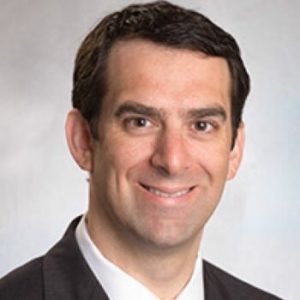
Jeremy Samuel Faust, MD, MS, MA, FACEP, is Medical Editor in Chief of ACEP Now, an instructor at Harvard Medical School and an attending physician in department of emergency medicine at Brigham & Women’s Hospital in Boston. Follow him on twitter @JeremyFaust.

View this author's posts »

One Response to “The Incomplete Macro Manifesto”

  1. August 19, 2016

    MRN10102 Reply

    ??nice!

Leave a Reply Cancel Reply

Your email address will not be published. Required fields are marked *


*
*


Wiley
  • Home
  • About Us
  • Contact Us
  • Privacy
  • Terms of Use
  • Advertise
  • Cookie Preferences
Copyright © 2025 by John Wiley & Sons, Inc. All rights reserved, including rights for text and data mining and training of artificial technologies or similar technologies. ISSN 2333-2603