Logo

Log In Sign Up |  An official publication of: American College of Emergency Physicians
Navigation
  • Home
  • Multimedia
    • Podcasts
    • Videos
  • Clinical
    • Airway Managment
    • Case Reports
    • Critical Care
    • Guidelines
    • Imaging & Ultrasound
    • Pain & Palliative Care
    • Pediatrics
    • Resuscitation
    • Trauma & Injury
  • Resource Centers
    • mTBI Resource Center
  • Career
    • Practice Management
      • Benchmarking
      • Reimbursement & Coding
      • Care Team
      • Legal
      • Operations
      • Quality & Safety
    • Awards
    • Certification
    • Compensation
    • Early Career
    • Education
    • Leadership
    • Profiles
    • Retirement
    • Work-Life Balance
  • Columns
    • ACEP4U
    • Airway
    • Benchmarking
    • Brief19
    • By the Numbers
    • Coding Wizard
    • EM Cases
    • End of the Rainbow
    • Equity Equation
    • FACEPs in the Crowd
    • Forensic Facts
    • From the College
    • Images in EM
    • Kids Korner
    • Medicolegal Mind
    • Opinion
      • Break Room
      • New Spin
      • Pro-Con
    • Pearls From EM Literature
    • Policy Rx
    • Practice Changers
    • Problem Solvers
    • Residency Spotlight
    • Resident Voice
    • Skeptics’ Guide to Emergency Medicine
    • Sound Advice
    • Special OPs
    • Toxicology Q&A
    • WorldTravelERs
  • Resources
    • ACEP.org
    • ACEP Knowledge Quiz
    • Issue Archives
    • CME Now
    • Annual Scientific Assembly
      • ACEP14
      • ACEP15
      • ACEP16
      • ACEP17
      • ACEP18
      • ACEP19
    • Annals of Emergency Medicine
    • JACEP Open
    • Emergency Medicine Foundation
  • About
    • Our Mission
    • Medical Editor in Chief
    • Editorial Advisory Board
    • Awards
    • Authors
    • Article Submission
    • Contact Us
    • Advertise
    • Subscribe
    • Privacy Policy
    • Copyright Information

Hurricane Florence and the Use of Telemedicine

By Bobby Park, MD; Chelsea Raegen; Scott Caflisch; and Michael Granovsky, MD | on March 19, 2019 | 0 Comment
Features
  • Tweet
  • Click to email a link to a friend (Opens in new window) Email
Print-Friendly Version
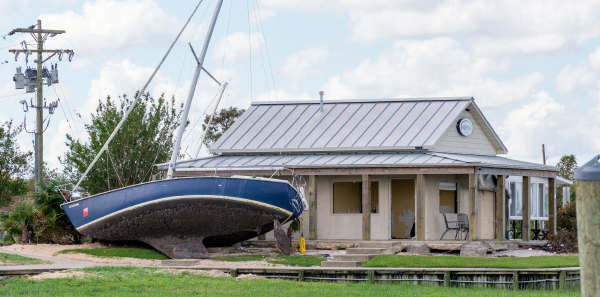
A boat washed ashore in New Bern, North Carolina, by Hurricane Florence
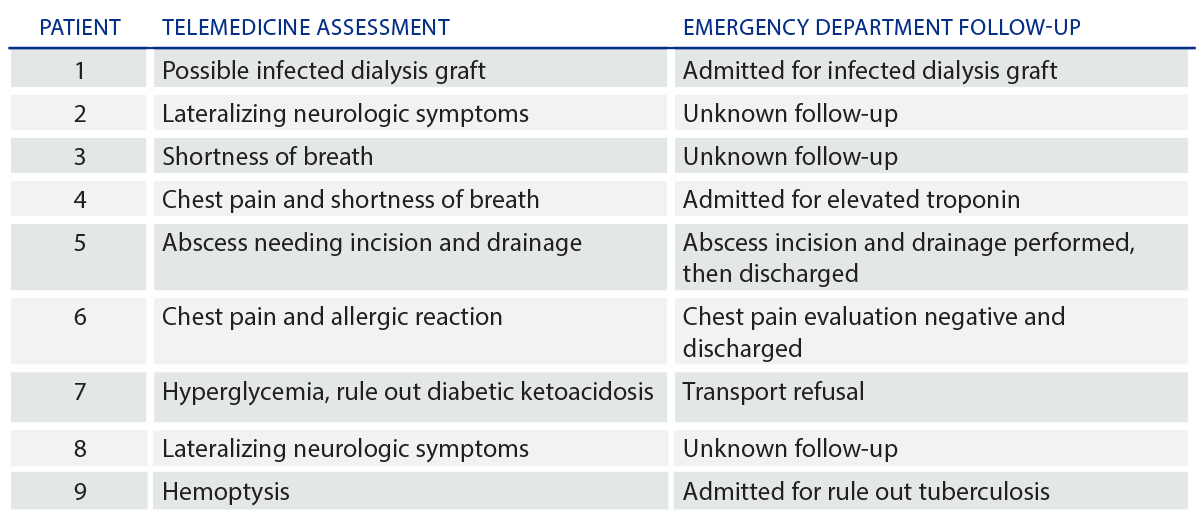
Table 1: Patients Evaluated by Telemedicine and Directed to Go to the Emergency Department

You Might Also Like
  • Psychiatry Telemedicine Programs in the Carolinas Experience Growing Pains, Progress
  • Telemedicine Dramatically Reduces Patient Transfers
  • Novel Telemedicine Approaches Offer Direct-to-Patient Services, Peer-to-Peer Support for Providers
Explore This Issue
ACEP Now: Vol 38 – No 03 – March 2019

(click for larger image) Table 1: Patients Evaluated by Telemedicine and Directed to Go to the Emergency Department

The Advantages of Telemedicine

The Hurricane Florence telemedicine shelter project is an illustration of how necessity is the mother of invention. Hurricane Florence strained the medical system in Wake County, and the RelyMD telemedicine initiative provided a needed solution. Traditionally, having multiple shelters means requiring multiple medical providers, one for each facility. Through telemedicine, one provider was able to be efficiently deployed to all of the shelters simultaneously.

From a logistical standpoint, the service was deployed quickly, despite the need to go on-site to deliver the iPads, introduce the concept, and show the nurses how to perform the telemedicine visits. The program was up and running in the busiest shelter in less than eight hours.

In a resource-constrained environment, the right care was delivered. Of those patients who said they would have gone to the emergency department for their medical care, the data show that there was an 80 percent emergency department diversion rate. This resulted in significant savings with respect to overall cost and EMS worker hours (see Figure 1). Of the nine patients who were sent to the emergency department after initially being evaluated by RelyMD, three required admission to the hospital.
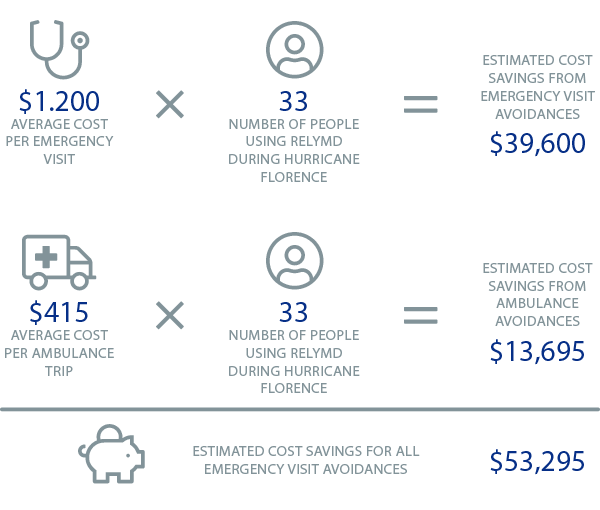
FIGURE 1 Cost Savings from Telemedicine Program

Figure 1. Cost Savings from Telemedicine Program

Beyond the Shelters

RelyMD recognized that there were people affected by Florence all across North Carolina, not only in the shelters. To help those populations, RelyMD offered a coupon code for a free patient-initiated telemedicine evaluation. Patients were able to obtain treatment using the RelyMD app or an internet-enabled computer. RelyMD was able to evaluate and manage more than 100 patients across North Carolina.

Future Disasters

Unfortunately, devastating natural disasters will continue to affect the nation. In this case, telemedicine was a useful tool that helped manage patients quickly and in a high-quality manner. One provider was able to take care of patients across eight different shelters. At one point, there were more than 100 shelters set up for Hurricane Florence victims across North Carolina. Telemedicine has the capacity to take care of all of these patients with a fraction of the usual medical resources.


Dr. Park is the director of RelyMD, a North Carolina–based telemedicine company, and a partner at Wake Emergency Physicians. Ms. Raegen and Mr. Caflisch are executives at RelyMD. Dr. Granovsky is president of LogixHealth, a national coding and billing company.

Pages: 1 2 3 | Single Page

Topics: Disaster MedicineRelyMDTelemedicine

Related

  • The First National Congress on Emergency Medical Care in Ukraine

    December 4, 2025 - 0 Comment
  • Event Medicine: Where Fun and Safety Sing in Perfect Harmony

    October 9, 2025 - 1 Comment
  • Trauma First Aid at the 2025 Boston Marathon

    September 22, 2025 - 0 Comment

Current Issue

ACEP Now: November 2025

Download PDF

Read More

No Responses to “Hurricane Florence and the Use of Telemedicine”

Leave a Reply Cancel Reply

Your email address will not be published. Required fields are marked *


*
*


Wiley
  • Home
  • About Us
  • Contact Us
  • Privacy
  • Terms of Use
  • Advertise
  • Cookie Preferences
Copyright © 2025 by John Wiley & Sons, Inc. All rights reserved, including rights for text and data mining and training of artificial technologies or similar technologies. ISSN 2333-2603
