

 Question 2. For well-appearing febrile infants and children aged 2 months to 2 years undergoing urine testing, which laboratory testing method(s) should be used to diagnose urinary tract infection?
Explore This Issue
ACEP Now: Vol 35 – No 05 – May 2016Patient Management Recommendations
Level A recommendations: None specified.
Level B recommendations: Physicians can use a positive test result for any one of the following to make a preliminary diagnosis of urinary tract infection in febrile patients aged 2 months to 2 years: urine leukocyte esterase, nitrites, leukocyte count, or Gram’s stain.
Level C recommendations: (1) Physicians should obtain a urine culture when starting antibiotics for the preliminary diagnosis of urinary tract infection in febrile patients aged 2 months to 2 years. (2) In febrile infants and children aged 2 months to 2 years with a negative dipstick urinalysis result in whom urinary tract infection is still suspected, obtain a urine culture.
 Question 3. For well-appearing immunocompetent infants and children aged 2 months to 2 years presenting with fever (>38.0°C [100.4°F]), are there clinical predictors that identify patients at risk for pneumonia for whom a chest radiograph should be obtained?
Patient Management Recommendations
Level A recommendations: None specified.
Level B recommendations: In well-appearing immunocompetent infants and children aged 2 months to 2 years presenting with fever (≥38°C [100.4°F]) and no obvious source of infection, physicians should consider obtaining a chest radiograph for those with cough, hypoxia, rales, high fever (>39°C), fever duration greater than 48 hours, or tachycardia and tachypnea out of proportion to fever.
Level C recommendations: In well-appearing immunocompetent infants and children aged 2 months to 2 years presenting with fever (>38°C [100.4°F]) and wheezing or a high likelihood of bronchiolitis, physicians should not order a chest radiograph.
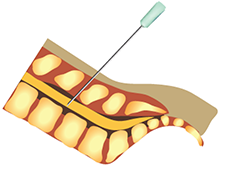 Question 4. For well-appearing immunocompetent full-term infants aged 1 month to 3 months (29 days to 90 days) presenting with fever (>38.0ºC [100.4°F]), are there predictors that identify patients at risk for meningitis from whom cerebrospinal fluid should be obtained?
Patient Management Recommendations
Level A recommendations: None specified.
Level B recommendations: None specified.
Level C recommendations: (1) Although there are no predictors that adequately identify full-term well-appearing febrile infants aged 29 to 90 days from whom cerebrospinal fluid should be obtained, the performance of a lumbar puncture may still be considered. (2) In the full-term well-appearing febrile infant aged 29 to 90 days diagnosed with a viral illness, deferment of lumbar puncture is a reasonable option given the lower risk for meningitis. When lumbar puncture is deferred in the full-term well-appearing febrile infant aged 29 to 90 days, antibiotics should be withheld unless another bacterial source is identified. Admission, close follow-up with the primary care provider, or a return visit for a recheck in the ED is needed (consensus recommendation).
Pages: 1 2 3 4 | Single Page



No Responses to “Evaluating Fever in Well-Appearing Infants and Children”