

There’s rural. Then, there are places like Marquette, Michigan, nestled in the state’s Upper Peninsula and far enough away that finding emergency and health care facilities in a nearby town is a serious challenge. When the region’s only Planned Parenthood facility closed in April, with less than a month’s notice to the community, it wasn’t just an inconvenience.
Explore This Issue
ACEP Now: October 2025 (Digital)Emergency physicians in the area saw it as a women’s health care crisis.
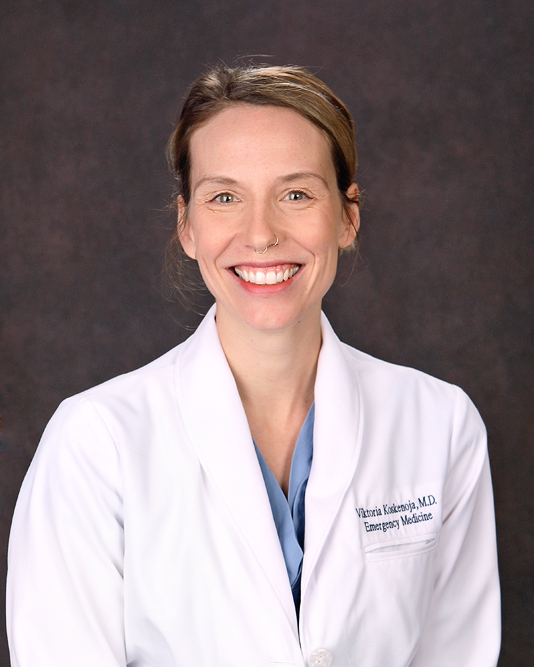
Dr. Koskenoja
“There was just nowhere for women to go, even for basic reproductive health services,” said Viktoria Koskenoja, MD, an attending physician in the area and immediate past chair of ACEP’s Rural Emergency Medicine Section. “The nearest Planned Parenthood location was over 280 miles away, and for most people here, that might as well be another country.”
Dr. Koskenoja knew something had to be done to fill this gap, so she and emergency physician Shawn Brown, MD, thought of a plan to add services at an existing urgent care facility. Luckily, Dr. Brown is the owner of Marquette Medical Urgent Care.
“We were already part of the community, already embedded in the care structure here,” Dr. Brown said. “It just made sense to use what we had.”
Hub for Reproductive Health
The idea was to transform an urgent care clinic into a hub for women’s reproductive health, including sexual assault response services and, eventually, medication abortion care. Getting from idea to execution took considerable effort. Dr. Koskenoja took the lead on logistics and staffing, devoting countless hours to grant applications, training protocols, legal research, and care model development.
After wearing out her mobile phone asking for support from local physicians, nurses, physician assistants, community leaders, and anybody else she could think of, they had the shell of what would become a fully staffed facility.
“It wasn’t just about offering services,” she said. “It was about doing it safely, legally, and with compassion.”
One component was to launch a 24-hour, in-clinic sexual assault response program.
The urgent care was a perfect location as it offered a quiet, controlled space. Partnering with The Women’s Center of Marquette—a well-established nonprofit with a 24-hour sexual assault response line and trained Sexual Assault Response Team (SART) advocates—was essential to making this program clinically sound and emotionally safe for patients. Since expanding service to the needs of women and their reproductive care, the clinic has seen a one and a half times increase in reporting for post-assault evaluation. The SART program was actually implemented about eight months before responding to the Planned Parenthood closing.
“We knew we could offer care that was more private and more appropriate than the emergency department (ED),” Koskenoja said. “Partnering with The Women’s Center of Marquette gave us the additional support and advocacy framework to make this truly patient-centered.”
In addition to clinicians already in the emergency medicine space, the team reached out to family medicine physicians and support staff to help ensure the program could run during off hours. Local grants and non-profit collaborations helped pay for it.
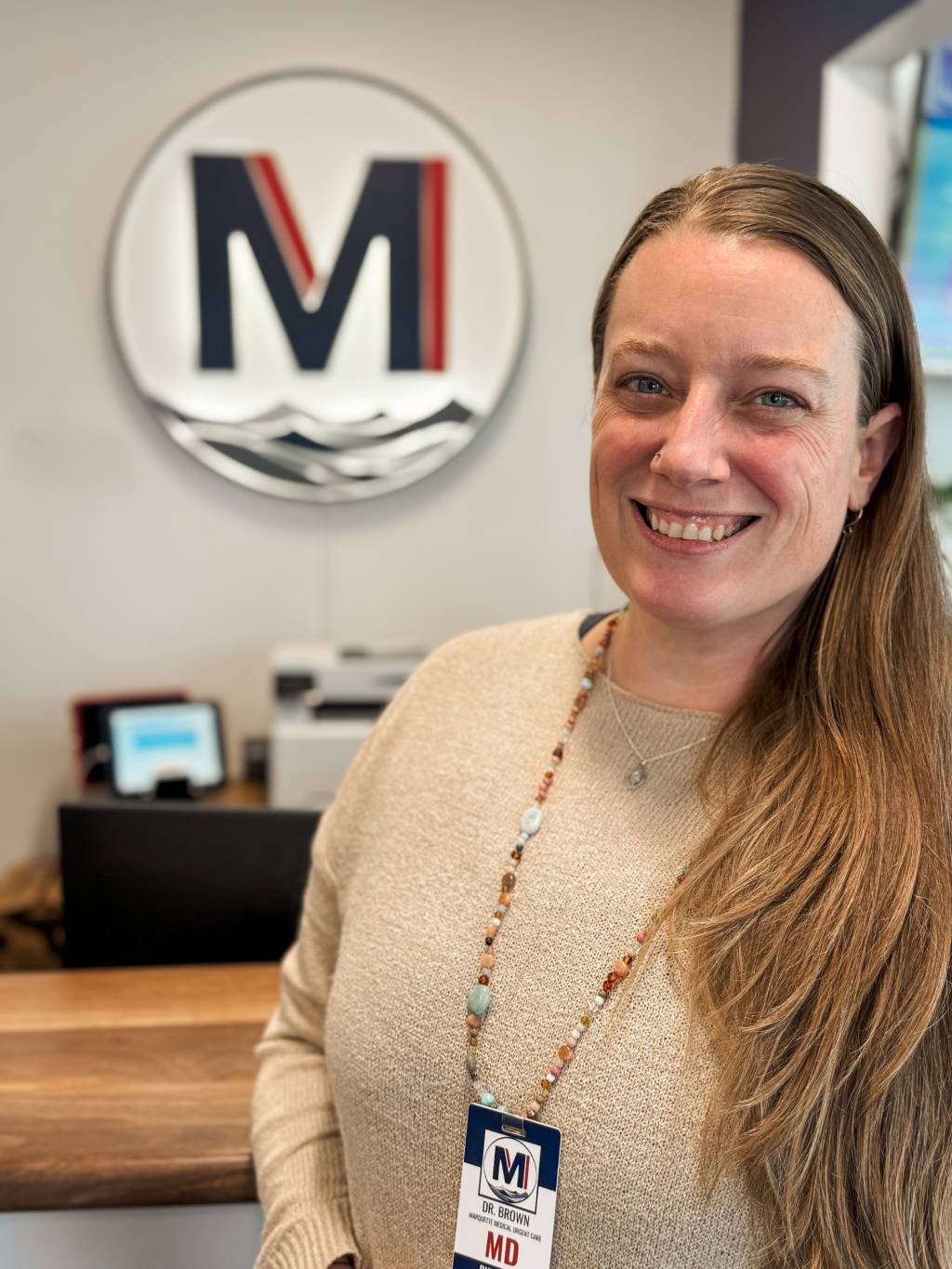
Dr. Brown
“It has been a lesson in community-powered health care,” Dr. Brown said. “We used the resources we had—space, staff, trust—and added just enough structure to make it sustainable.”
Challenges
Starting a program of this magnitude in a rural, politically complex region came with its own set of challenges. From staffing to legal questions, Dr. Koskenoja and Dr. Brown said every step required persistence. Malpractice insurance was a major challenge, as was the process with the carrier to ensure that abortion services were covered. They were initially hesitant, even though medication abortion is within the scope of emergency medicine.
Eventually, after weeks of negotiation, the malpractice carrier agreed to cover abortion care as part of routine emergency practice.
“It required a lot of back-and-forth,” Dr. Koskenoja said. “But having a broker who was willing to make those calls and advocate for us made all the difference.”
Another hurdle was ultrasound access. The clinic didn’t have the transvaginal ultrasound equipment needed to date pregnancies and safely provide medication abortion, so the clinic worked with ACEP member and emergency physician Dara Kass, MD, FACEP, with the FemInEM Foundation to help. FemInEM provided a grant that supported the three-month pilot, including training, community outreach, and program development.
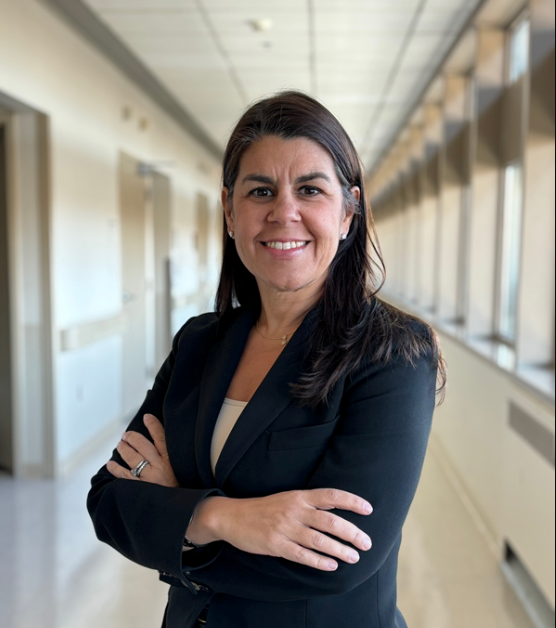
Dr. Kass
“When I heard what Viktoria and Shawn were doing, I knew it needed to be supported,” Dr. Kass said. “This is exactly the kind of clinician-led, community-based innovation we should be scaling. It’s not just about money—it’s about signaling that this work matters. When we invest in clinicians willing to solve systemic problems, we’re saying we believe in them.”
“Political and social risk was also real,” Dr. Brown said. “We had to ask ourselves if we were prepared for protesters, for pushback. But we also knew that patients needed this care now. We couldn’t wait for ideal conditions.”
A Focused Message
The team focused its messaging on access, autonomy, and community responsibility. Dr. Brown pointed out that the remoteness of the Upper Peninsula heightened the urgency of the project. With boarding issues already clogging the ED, this option could keep assault survivors out of the ED while providing the same quality care they would get in a traditional hospital setting.
“The emergency department is not the place for this kind of longitudinal, trauma-informed care,” said Brown. “We can stabilize, and we can support. But patients need privacy, consistency, and time. Urgent care is actually a much better fit.”
The introduction of medication abortion services was especially critical, and since launching the program, the clinic has seen overwhelming support from patients and local clinicians alike. “The demand was immediate,” said Dr. Koskenoja. “And the gratitude from patients … has been incredibly moving.”
Dr. Kass emphasized that the Marquette approach could be replicated elsewhere.
“This isn’t unique to Michigan,” she said. “Every region has some version of this gap. The question is whether clinicians are willing to step up. And can we give them the support they need?”
The key to scalability lies in using what’s already available.
“We didn’t build a new building or hire an army of staff,” Dr. Kass said. “We extended our hours. We trained our existing clinicians. We started with what we had and expanded from there.”
Too often, urgent care is seen as a stopgap or a bridge—not a destination for comprehensive care, the doctors said. The Marquette Medical model illustrates how urgent care centers, especially in rural or underserved areas, can be retooled to meet the full spectrum of health care needs. That includes areas that are historically marginalized or politicized.
For emergency medicine physicians, this model presents a powerful alternative to sending vulnerable patients into crowded EDs or leaving them with no option at all. The approach leverages the emergency physician skill set in acute care, an understanding of trauma, and the ability to adapt quickly and decisively.
In other words, Dr. Koskenoja said emergency physicians are already trained for this care.
“They’ve managed first-trimester bleeding and cared for survivors of sexual assault. It’s just a matter of putting the framework in place and support providing this care outside the hospital,” she said. “And the benefits go far beyond reproductive health.”
“We’re decompressing the ED,” Dr. Brown said. “We’re providing services in a way that’s sustainable and community driven.”
Pages: 1 2 3 4 | Multi-Page



4 Responses to “Emergency Physicians Step Up for Women”
October 19, 2025
Justin GallagherI can certainly appreciate the idea of caring for victims of sexual assault, but I find it discouraging that the article writer and ACEP would view abortion as anything but taking the life of a helpless unborn child. I understand that not everyone holds the same moral worldview, but the medical community needs to come back to the center on this sad and divisive topic instead of using catchall phrases like “reproductive healthcare” and “women’s health” to glorify extinguishing people’s lives before they have a chance to speak up for themselves.
November 15, 2025
Monica SaxenaThrilled to see the work that is being done on behalf of Michigan patients by EM docs.
November 15, 2025
Rebecca HAmazing work by Dr Koskenoja and Dr. Brown! This is the type of needs-based medical practice that we are so desperately missing in our communities – driven by those who live there themselves. I applaud and admire their efforts to get women the healthcare services that they so desperately need and deserve. Truly a service to the patients.
In the emergency medicine specialty, it is so important to not allow our personal beliefs affect the care we give – the life-long smoker who develops lung cancer, the IV-drug user who has sepsis from an infection injection site, the assailant who gets injured while committing a crime, the sexual assault victim who becomes pregnant – we are not judge and jury and our job is to provide the care that is required. I deeply respect ACEP and ACOG for remembering the patients that they serve and the importance of giving standard of care treatment, regardless how the patient ended up at our doors.
November 17, 2025
Jailyn AvilaI’m deeply thankful for the work Dr. Koskenoja and Dr. Brown have done for their community. Their model is such a powerful reminder of what emergency medicine is at its core: being there for our patients
What they’ve created in Marquette is exactly the kind of innovation our specialty is capable of. It’s community-driven, evidence-based, and grounded in compassion.
I’m especially grateful for the courage and persistence it takes to build something like this in a rural region with limited resources. It reflects the best of who we are as emergency physicians.
This is the kind of leadership I’m proud to stand behind. Thank you for showing what’s possible when we put patients first!