
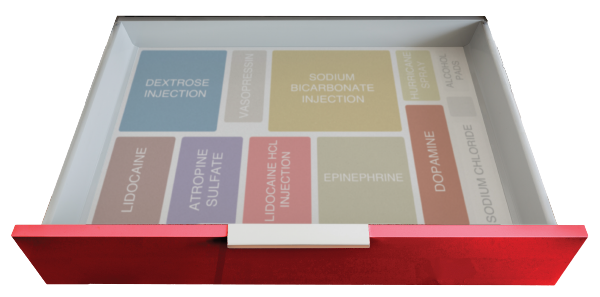
In recent years, there have been countless unprecedented, unexpected, and unplanned short-term medication shortages and ever more promises that long-term remedies were being implemented. However, the manufacturers and the federal agencies that oversee drug supply and manufacturing practices—the Food and Drug Administration (FDA) and the Drug Enforcement Administration (DEA)—have continued to be at odds over safe manufacturing and quality processes, and once again, there are life-threatening problems with medication supplies for emergency providers.
Explore This Issue
ACEP Now: Vol 36 – No 08 – August 2017The shortage crisis affects drugs across all classes of emergency medications. As of June 26, 2017, there are 69 preparations of 28 emergency care medications that are short, including most forms of adenosine, atropine, bicarbonate, calcium, dextrose, dopamine, epinephrine, fentanyl, furosemide, labetalol, magnesium, lorazepam, and the paralytic agents. There are an additional 50 large-volume intravenous fluid preparations that are unavailable. The most publicized issue has been related to the hospital shortage of bicarbonate, which affects a wide range of patients.
In response to significant pressure from health care providers, including the emergency community, the FDA has taken two actions. It has approved the sourcing of sodium bicarbonate from an Australian medication manufacturer, a step that mirrors a prior action allowing the importation of normal saline solution from a Norwegian manufacturer in 2014. The FDA has also allowed the extension of expiration dates on some lots of three emergency medications: atropine, dextrose, and epinephrine.
It is important that emergency physicians understand the details of this extension program and can share this information with hospital pharmacists, C-suite leaders, and any regulatory agencies. The details are available on the FDA website.
This extension program will assist in the crisis management of the shortage of these three emergency medications. The program, which could potentially be extended to other medications, allows emergency providers to use medications currently in stock for patient care. It will also facilitate a short-term cost savings because the replacement costs of these medications are going to be significantly higher during the shortage. For example, a recent price for a single 1 mg vial of epinephrine 1:1000 was more than $17. In recent years, it cost less than $2.
Action Plan
Emergency physicians will need to work with hospital pharmacists and logistics personnel for EMS agencies to ensure the ongoing availability of emergency medications and intravenous fluids. The FDA notification is a good reason to convene a meeting of emergency department leaders and hospital pharmacists to discuss ongoing management strategies. All emergency physicians and nurses are going to need education on any hospital program that involves using medicines beyond printed expiration dates. The printed FDA notification should be available for those providers as well as any regulatory persons who inspect the emergency department and question this practice.
If the shortage is causing EMS personnel, emergency physicians, and ED nurses to use substitute medications or ones that are not in the usual practice, there should be timely communication and extra safety practices implemented to facilitate good patient care. For example, if paralytic agent supplies are restricted, all providers must be aware of the limitation of substitution with other medications, including dosing changes. Emergency department program materials need to be available in the department to update staff and advise at the point of use about correct dosing, compatibility issues, and side effects. Some emergency departments are putting up safety cards in their medication rooms so staff members have an immediate visual prompt.
All emergency department staff members—especially the nursing personnel who do most of the medication administration—need to be educated regarding the ongoing shortage issues. The FDA suggests not writing the extension information on the drug container. An alternate mechanism will need to be crafted to allow personnel to understand the extension.
There are other detailed medication management strategies that may be integrated by the joint emergency department and pharmacy leadership team to address the issue. For now, clinicians need to be continually updated on shortages. All staff should rotate medications in an attempt to use those medicines closest to their expiration dates. ACEP will provide updates regarding any future FDA actions related to critical drug shortages.
Pages: 1 2 | Multi-Page




No Responses to “Emergency Departments Need Plan to Deal with Drug Shortages”