Logo

Log In Sign Up |  An official publication of: American College of Emergency Physicians
Navigation
  • Home
  • Multimedia
    • Podcasts
    • Videos
  • Clinical
    • Airway Managment
    • Case Reports
    • Critical Care
    • Guidelines
    • Imaging & Ultrasound
    • Pain & Palliative Care
    • Pediatrics
    • Resuscitation
    • Trauma & Injury
  • Resource Centers
    • mTBI Resource Center
  • Career
    • Practice Management
      • Benchmarking
      • Reimbursement & Coding
      • Care Team
      • Legal
      • Operations
      • Quality & Safety
    • Awards
    • Certification
    • Compensation
    • Early Career
    • Education
    • Leadership
    • Profiles
    • Retirement
    • Work-Life Balance
  • Columns
    • ACEP4U
    • Airway
    • Benchmarking
    • Brief19
    • By the Numbers
    • Coding Wizard
    • EM Cases
    • End of the Rainbow
    • Equity Equation
    • FACEPs in the Crowd
    • Forensic Facts
    • From the College
    • Images in EM
    • Kids Korner
    • Medicolegal Mind
    • Opinion
      • Break Room
      • New Spin
      • Pro-Con
    • Pearls From EM Literature
    • Policy Rx
    • Practice Changers
    • Problem Solvers
    • Residency Spotlight
    • Resident Voice
    • Skeptics’ Guide to Emergency Medicine
    • Sound Advice
    • Special OPs
    • Toxicology Q&A
    • WorldTravelERs
  • Resources
    • ACEP.org
    • ACEP Knowledge Quiz
    • Issue Archives
    • CME Now
    • Annual Scientific Assembly
      • ACEP14
      • ACEP15
      • ACEP16
      • ACEP17
      • ACEP18
      • ACEP19
    • Annals of Emergency Medicine
    • JACEP Open
    • Emergency Medicine Foundation
  • About
    • Our Mission
    • Medical Editor in Chief
    • Editorial Advisory Board
    • Awards
    • Authors
    • Article Submission
    • Contact Us
    • Advertise
    • Subscribe
    • Privacy Policy
    • Copyright Information

Difficult Decisions in the Intensive Care Unit

By Abraham Taub, DO | on March 7, 2023 | 1 Comment
Features
  • Tweet
  • Click to email a link to a friend (Opens in new window) Email
Print-Friendly Version
All the names in this article have been changed to protect patient privacy.

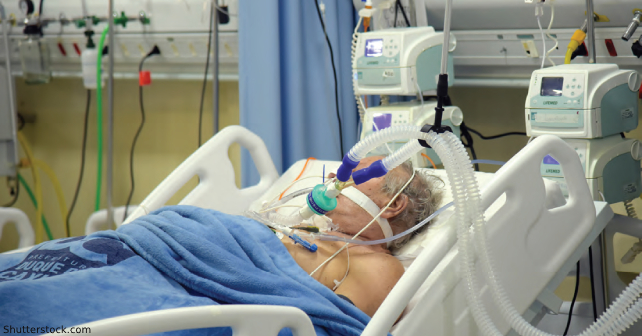
This morning Mr. Rogers’s family gathered around his bed. The priest administered last rites, and his daughter held his hand as I motioned for the respiratory therapist to follow the wishes of Mr. Rogers and his family to pull out the breathing tube from his mouth. Together we stand there as the machine gives Mr. Rogers one last breath before the tube is pulled out. Mr. Rogers does not have the strength to take any breaths on his own. I ask the nurse to increase the dose of his intravenous pain medications so he does not suffer any discomfort gasping for air, and 10 minutes later I pronounce Mr. Rogers dead.

You Might Also Like
  • Elderly Patients Rarely Included in Decision to Use Intensive Care
  • The Role of Emergency Physicians in Triage and Resuscitation Decisions: The Case of COVID-19
  • American Medical Association Ethics Code Helps Emergency Physicians Make Tough Decisions
Explore This Issue
ACEP Now: Vol 42 – No 03 – March 2023

You see, this is the United States, where patients have rights and physicians are obligated to follow the goals of care outlined by their patients. Mr. Rogers’s mental status was sharp. He had good insight into his condition and his poor prognosis. He had the capacity to make medical decisions, and he very specifically requested to be liberated from this misery rather than staying alive, dependent on machines.

Mrs. Rosenberg

Moving onto the next room is our patient Mrs. Rosenberg. Mrs. Rosenberg is a 93-year-old great-grandmother who suffered a massive stroke that paralyzed her whole body and took away her consciousness, so she is being kept alive by a ventilator. Mrs. Rosenberg’s family is Orthodox Jewish, and their Rabbi advised them that every moment lived on this earth is a precious gift from God and all human life is equally sacred regardless of the quality of life experienced by the individual. Mrs. Rosenberg’s children would like for their mother to have a surgical tracheostomy for a tube placed in her neck so that she can stay alive on the breathing machine for as long as possible.

Unfortunately, Mrs. Rosenberg has an unusually short neck, and the surgeon at our hospital is uncomfortable performing the procedure because the anatomy of her neck will require the tracheostomy to be placed almost into her chest. She will need to be transferred to a larger tertiary-care center, where a thoracic surgeon can cut down a part of her breastbone to make room for the permanent breathing tube. After that, Mrs. Rosenberg will be transferred to a long-term-care facility, where she will be in bed on a breathing machine for the rest of her life, unable to move any part of her body, unresponsive.

Pages: 1 2 3 4 | Single Page

Topics: Do Not IntubateDo Not ResuscitateEthicsPain & Palliative CareResuscitation

Related

  • Let Core Values Help Guide Patient Care

    November 5, 2025 - 0 Comment
  • Management of ED Crowding versus Mass Casualty Incidents: Is There an Ethical Difference?

    August 4, 2025 - 0 Comment
  • Using Extracorporeal Membrane Oxygenation as Life-Sustaining Therapy

    June 30, 2025 - 0 Comment

Current Issue

ACEP Now: November 2025

Download PDF

Read More

One Response to “Difficult Decisions in the Intensive Care Unit”

  1. March 22, 2023

    Matt Maner Reply

    Thank you. These are all excellent ethical cases and your write up of each was great.

Leave a Reply Cancel Reply

Your email address will not be published. Required fields are marked *


*
*


Wiley
  • Home
  • About Us
  • Contact Us
  • Privacy
  • Terms of Use
  • Advertise
  • Cookie Preferences
Copyright © 2025 by John Wiley & Sons, Inc. All rights reserved, including rights for text and data mining and training of artificial technologies or similar technologies. ISSN 2333-2603
