

It was a seemingly ordinary drive through Texas that changed John Prescott, MD’s, life and made him realize that emergency medicine was his calling.
Explore This Issue
ACEP Now: January 2026As a young U.S. Army physician contemplating flight surgery, he was driving on a deserted highway between San Antonio and Fort Hood when a convertible with its top down and a passenger with her feet on the dashboard sped past his four-cylinder Toyota Corolla, which was barely going 55 mph. A couple of miles down the road, he came upon this car flipped over on the median. “I thought, ‘Oh my God, what am I going to do?’” he said.
The ground was littered with beer cans, the driver was dead, and the passenger — pregnant and critically injured — had been ejected from the vehicle but survived, although the fetus would not. Armed with only basic medical knowledge and aided by a nurse anesthetist who had been passing by, and then a paramedic in another car with a bag full of equipment, the three worked to save the surviving victim until help arrived.

Dr. Prescott
“That’s the day I decided I was going to go into emergency medicine,” said the now-retired Dr. Prescott, professor emeritus with the West Virginia University department of emergency medicine, where he was one of its founding members. “I never wanted to be in a position again where I could not take care of a patient or assess the situation and take definitive action.”
This desire to be prepared for anything draws many physicians to emergency medicine. For Jennifer Oman, MD, who initially considered trauma surgery, it was the ability to practice comprehensive care that attracted her. “I like being able to take care of all ages,” she said. “There’s a little bit of ortho and a little bit of cardiology and a little bit of pediatrics. There’s not really anything you don’t see.”
Dr. Oman, a board-certified emergency physician in Orange County, California, said her specialty-defining moment was one morning at 3 a.m. on her surgery rotation when she was called to the emergency department for a consult. “It was super fun and there was a lot going on. I loved it, but all of the surgeons were complaining about how they hated the emergency department and how tired they were,” she said. As soon as it was decided the patient needed to go to the operating room, the surgeons were suddenly wide awake and happy, whereas Dr. Oman said she couldn’t keep her eyes open and all she wanted was to go back to the emergency department.
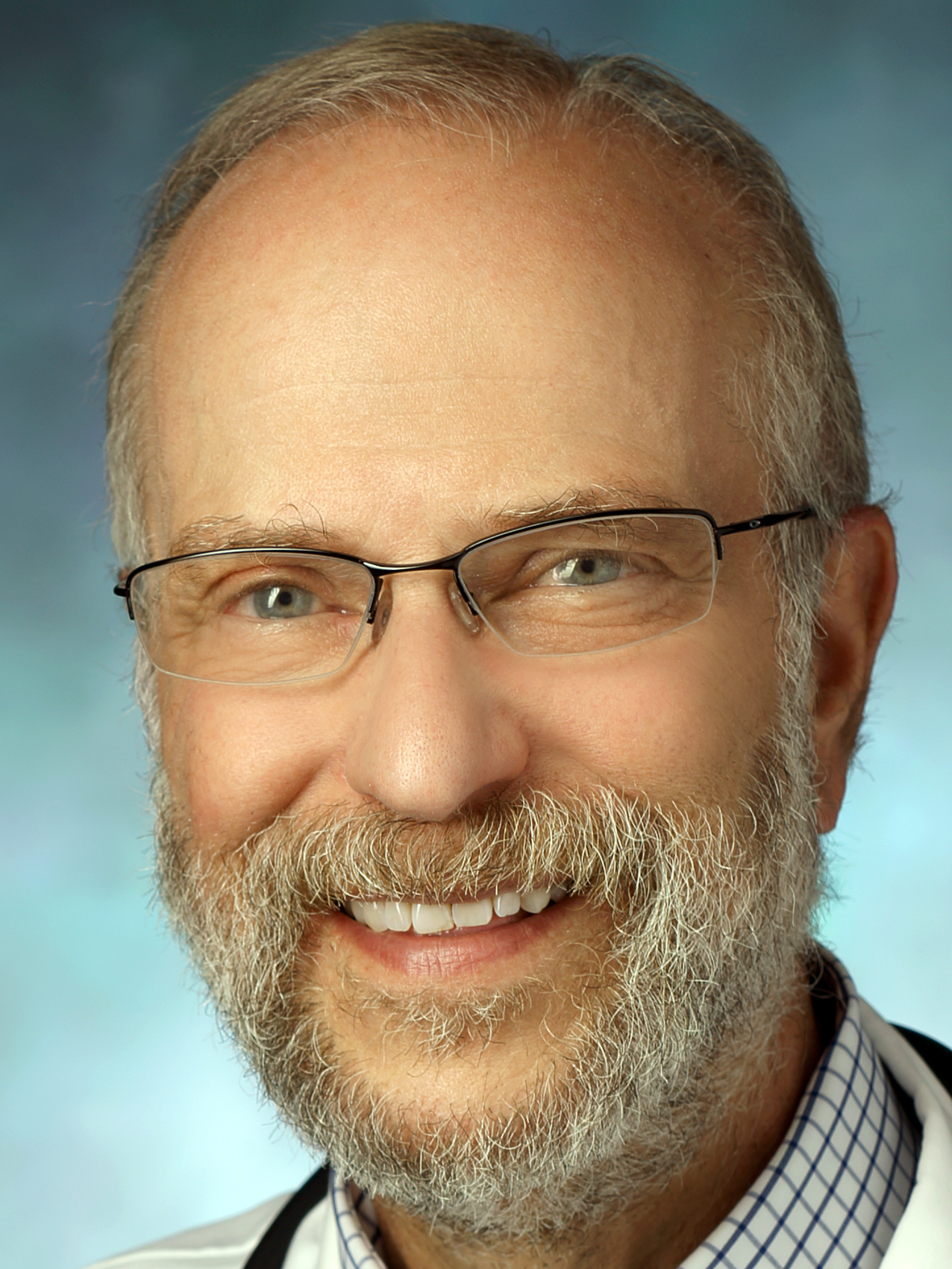
Gabor Kelen, MD, chair of emergency medicine at Johns Hopkins University in Baltimore, also found his calling in the specialty’s fast-paced environment. “I love the adrenaline rush. I still like it,” he said. “When you’re in a stressful environment with people, there’s a certain joy to the relationships that you have in being on the front lines.” For Dr. Kelen, running a resuscitation is like conducting an orchestra — a complex choreography requiring both technical expertise and leadership skills.
The Evolution of a Specialty

Dr. Oman
Emergency medicine has grown dramatically since its early days. “In 1976, it literally was a room,” said Dr. Oman. Today’s emergency departments have become sophisticated operations with dozens of beds, managing everything from minor injuries to major traumas. The specialty has earned respect through decades of proving its value, with emergency physicians increasingly taking leadership roles in health care systems.
“Emergency physicians are known for getting stuff done,” said Dr. Prescott, who also served as chief academic officer for the Association of American Medical Colleges. He pointed to the growing number of emergency physicians who have become deans of medical schools or health care system leaders. Adaptability and efficiency have become hallmarks of the specialty.
Freedom to Practice
One of emergency medicine’s greatest strengths is its flexibility. “There are so many different ways you can be an emergency physician,” Dr. Oman said. “There’s rural emergency medicine, academic institutions, community hospitals, urgent cares, cruise ship medicine, and locum tenens, where you can go to different parts of the country.”
This variety allows physicians to find their ideal practice setting. “That’s the best part about emergency medicine — you’re not stuck,” Dr. Oman said. “If you’re miserable, you can go somewhere else. You don’t even have to move, depending on where you are.”
Dr. Kelen
The specialty also offers the satisfaction of immediate impact. “What part of medicine can you practice where your skill set has to be at such a high level for so many different things, and you get to see the impact of your work on the same shift?” Dr. Kelen said. This immediate feedback and the ability to make a difference in critical moments continues to attract physicians to the field.
Meeting Modern Challenges
Emergency medicine faces significant challenges, including corporate consolidation, hospital boarding, high levels of burnout, and workplace violence. According to recent surveys, more than 90 percent of emergency physicians have experienced some form of violence in the workplace. “There’s no way you can get through an eight-hour shift that somewhere in the department there aren’t up to 10 instances of violence,” said Dr. Kelen. Long wait times and boarding exacerbate the problem. “People lose their tempers if they’ve been hungry without food and water for 20 hours,” Dr. Kelen noted. “It’s not just patients; it’s often their families.”
But despite the challenges, emergency physicians continue to find deep meaning in their work. At Johns Hopkins, many doctors choose to work in the emergency department specifically because they want to work with underserved populations and provide them with world-class care, Dr. Kelen said.
For Dr. Oman, the rewards come from helping patients navigate an increasingly complex health care system. “Actually being able to get the person the right kind of help that they need, trying to find resources for people, trying to get them where they need to be, that’s challenging, but at the end of the day, it is also rewarding.”
The Corporate Challenge
With roughly one-quarter of emergency medicine visits now staffed by private equity-controlled groups and some companies staffing hundreds of emergency departments nationwide, emergency physicians face new pressures from corporate employment models. Contract arrangements can make it difficult for physicians to advocate for better patient care, and hospital sales or mergers can leave entire physician groups suddenly seeking new positions. However, the specialty’s inherent flexibility helps mitigate these risks, as physicians can often find new opportunities that better align with their values.
Innovation and Adaptation
Emergency physicians have consistently demonstrated their ability to adapt to changing health care needs. During the COVID-19 pandemic, emergency departments quickly reorganized to handle patient surges, setting up tents and creating new care areas. This adaptability extends to embracing new technologies and care models while maintaining the core mission of providing immediate, high-quality care to anyone who needs it.
The specialty continues to innovate in areas like EM research, out-of-hospital care, and disaster preparedness. Dr. Prescott noted how emergency physicians have been instrumental in developing programs like the American College of Surgeons’ “Stop the Bleed,” which has made a major difference on a national level.
Looking Forward
Despite challenges in the field, leaders remain optimistic about emergency medicine’s future.
The key, according to Dr. Kelen, may be reconnecting with the specialty’s core mission while adapting to modern health care realities. “If we all got together and started trying to reach real solutions to these many issues, that other part — the heroic part and the nobility of what we do — will shine through,” Dr. Kelen said.
Although emergency medicine is not an easy job and one never knows who is going to walk into their department, for medical students considering the specialty, Dr. Oman’s message is clear: “It’s still the best specialty, even with all its drawbacks and challenges, because you can make it into almost anything you want.”
Renée Bacher is a freelance medical writer located in Baton Rouge, La. She is a frequent contributor to Wiley medical trade publications including ENTtoday, ACEP Now, and The Rheumatologist.
Pages: 1 2 3 4 | Multi-Page



One Response to “Despite Drawbacks, Emergency Medicine Remains a Great Specialty”
January 27, 2026
Anthony Markham, MDEmergency Medicine is not what it should be as a specialty. It should not be everything for everyone at any hour. It has been bastardized by politicians and corporations, “healthcare and private equity”.
I’m old enough to remember when the biggest problem was contract management groups. In hindsight, those were the days!
I retired a year ago after 34 years in the emergency department. Please forgive me for the quote, “Some of it was magic, some of it was tragic, but I had a good life all the way”.