

Gabor Kelen, MD, chair of emergency medicine at Johns Hopkins University in Baltimore, also found his calling in the specialty’s fast-paced environment. “I love the adrenaline rush. I still like it,” he said. “When you’re in a stressful environment with people, there’s a certain joy to the relationships that you have in being on the front lines.” For Dr. Kelen, running a resuscitation is like conducting an orchestra — a complex choreography requiring both technical expertise and leadership skills.
Explore This Issue
ACEP Now: January 2026The Evolution of a Specialty

Dr. Oman
Emergency medicine has grown dramatically since its early days. “In 1976, it literally was a room,” said Dr. Oman. Today’s emergency departments have become sophisticated operations with dozens of beds, managing everything from minor injuries to major traumas. The specialty has earned respect through decades of proving its value, with emergency physicians increasingly taking leadership roles in health care systems.
“Emergency physicians are known for getting stuff done,” said Dr. Prescott, who also served as chief academic officer for the Association of American Medical Colleges. He pointed to the growing number of emergency physicians who have become deans of medical schools or health care system leaders. Adaptability and efficiency have become hallmarks of the specialty.
Freedom to Practice
One of emergency medicine’s greatest strengths is its flexibility. “There are so many different ways you can be an emergency physician,” Dr. Oman said. “There’s rural emergency medicine, academic institutions, community hospitals, urgent cares, cruise ship medicine, and locum tenens, where you can go to different parts of the country.”
This variety allows physicians to find their ideal practice setting. “That’s the best part about emergency medicine — you’re not stuck,” Dr. Oman said. “If you’re miserable, you can go somewhere else. You don’t even have to move, depending on where you are.”
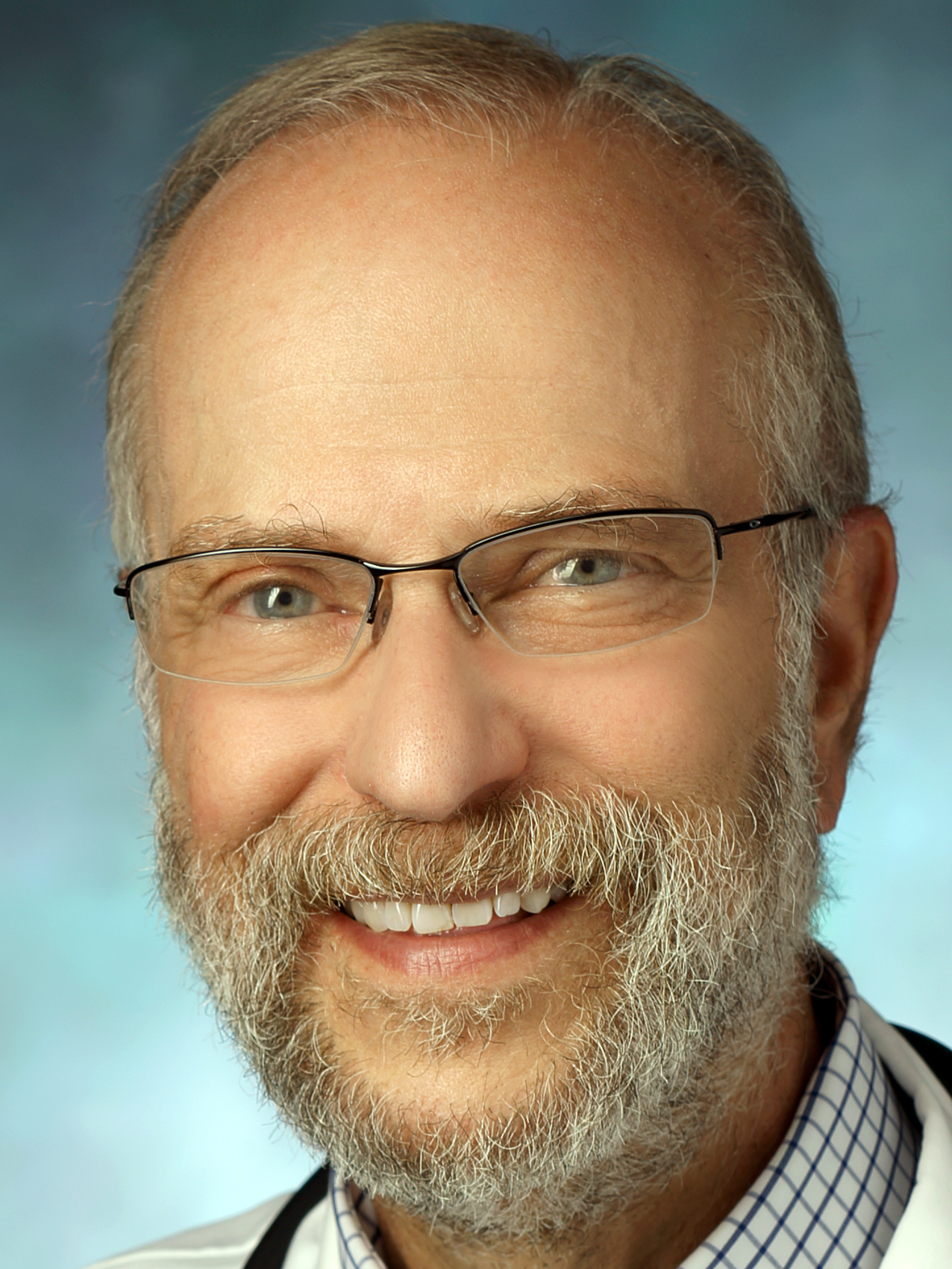
Dr. Kelen
The specialty also offers the satisfaction of immediate impact. “What part of medicine can you practice where your skill set has to be at such a high level for so many different things, and you get to see the impact of your work on the same shift?” Dr. Kelen said. This immediate feedback and the ability to make a difference in critical moments continues to attract physicians to the field.
Meeting Modern Challenges
Emergency medicine faces significant challenges, including corporate consolidation, hospital boarding, high levels of burnout, and workplace violence. According to recent surveys, more than 90 percent of emergency physicians have experienced some form of violence in the workplace. “There’s no way you can get through an eight-hour shift that somewhere in the department there aren’t up to 10 instances of violence,” said Dr. Kelen. Long wait times and boarding exacerbate the problem. “People lose their tempers if they’ve been hungry without food and water for 20 hours,” Dr. Kelen noted. “It’s not just patients; it’s often their families.”
Pages: 1 2 3 4 | Single Page


One Response to “Despite Drawbacks, Emergency Medicine Remains a Great Specialty”
January 27, 2026
Anthony Markham, MDEmergency Medicine is not what it should be as a specialty. It should not be everything for everyone at any hour. It has been bastardized by politicians and corporations, “healthcare and private equity”.
I’m old enough to remember when the biggest problem was contract management groups. In hindsight, those were the days!
I retired a year ago after 34 years in the emergency department. Please forgive me for the quote, “Some of it was magic, some of it was tragic, but I had a good life all the way”.