
Conclusion
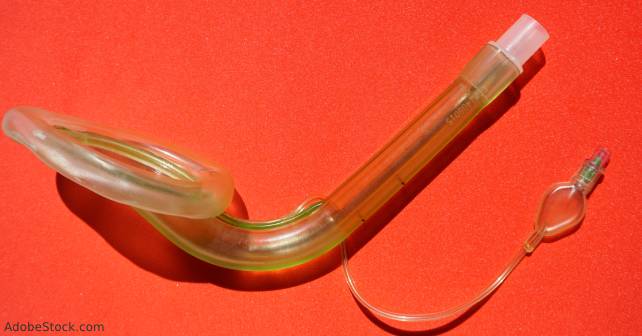
EGAs offer multiple benefits in managing patient airways and have found generally wide acceptance in the protocols of numerous EMS provider levels. Regardless of the device used, continuous ventilation and oxygenation assessment must be performed, because EGAs constitute only one aspect of airway management. Frequent training and skill verification are needed to ensure that these devices are utilized appropriately, regardless of the care setting. While each EGA device type features proposed benefits, ultimately, the greatest predictor of success is likely to be the thoughtful incorporation of these devices into protocolized care structures and emphasis on both initial and ongoing personnel training.
Explore This Issue
ACEP Now: Vol 43 – No 11 – November 2024 Dr. Glauser is professor of emergency medicine at Case Western Reserve University at MetroHealth Cleveland Clinic in Cleveland, Ohio.
 Dr. Hillman is a third-year resident at the MetroHealth/Cleveland Clinic Emergency Medicine Residency in Cleveland, Ohio.
Dr. Escajeda is an emergency medicine and EMS physician at MetroHealth in Cleveland, Ohio.
References
- National Association of State EMS Officials, National Highway Traffic Safety Administration. National EMS scope of practice model 2019: Including change notices 1.0 and 2.0 (Report No. DOT HS 813 151). Published August 2021. Accessed October 17, 2024.
- Benger JR, Kirby K, Black S, et al. Effect of a strategy of a supraglottic airway device vs tracheal intubation during out-of-hospital cardiac arrest on functional outcome: the AIRWAYS-2 Randomized Clinical Trial. JAMA. 2018;320(8):779-791.
- Wang HE, Schmicker RH, Daya MR, et al. Effect of a strategy of initial laryngeal tube insertion vs endotracheal intubation on 72-hour survival in adults with out-of-hospital cardiac arrest: a randomized clinical trial. JAMA. 2018;320(8):769-778.
- Guyette FX, Wang HE. EMS Airway Management: System Considerations. In: Cone DC, Brice JH, Delbridge TR, Myers B, eds. Emergency Medical Services: Clinical Practice and Systems Oversight. 3rd Edition. John Wiley & Sons; 2021:21-29.
- Ramaiah R, Das D, Bhananker SM, et al. Extraglottic airway devices: a review. Int J Crit Illn Inj Sci. 2014;4(1):77-87.
- Ostermayer DG, Gausche-Hill M. Supraglottic airways: the history and current state of prehospital airway adjuncts. Prehosp Emerg Care. 2014;18(1):106-115.
- Kwanten LE, Madhivathanan P. Supraglottic airway devices: current and future uses. Br J Hosp Med (Lond). 2018;79(1):31-35.
- Brain AI. The development of the laryngeal mask—a brief history of the invention, early clinical studies and experimental work from which the laryngeal mask evolved. Eur J Anaesthesiol Suppl. 1991;4:5-17.
- Agro F, Frass M, Benumof JL, et al. Current status of the Combitube: a review of the literature. J Clin Anesth. 2002;14(4):307-314.
- Hernandez MR, Klock PA Jr, Ovassapian A. Evolution of the extraglottic airway: a review of its history, applications, and practical tips for success. Anesth Analg. 2012;114(2):349-368.
- Shin WJ, Cheong YS, Yang HS, et al. The supraglottic airway I-gel in comparison with ProSeal laryngeal mask airway and classic laryngeal mask airway in anaesthetized patients. Eur J Anaesthesiol. 2010;27(7):598-601.
- Price P, Laurie A, Plant E, et al. Comparing the first-pass success rate of the King LTS-D and the i-gel airway devices in out-of-hospital cardiac arrest. Cureus. 2022;14(11):e30987.
Pages: 1 2 3 4 | Single Page


No Responses to “Current Extraglottic Airway Devices and Prehospital Practices”