

James Neuenschwander II, MD, FACEP, FASAM, is a mission‑driven night‑shifter who turned a 30‑year career into a purpose‑built locums life.
Explore This Issue
ACEP Now: September 2025When Dr. Neuenschwander finished residency in 1998 he did what many new emergency physicians did then: He joined a private two‑hospital group, became an owner, board member, and vice chair. He participated in the meetings, joined the committees, the whole thing.
In 2006, he pivoted to teaching residents and medical students at Ohio State University. At the same time, he was discovering how much he enjoyed the locum tenens cadence while covering a 25-bed critical access hospital in Washington State where he worked as an emergency physician, hospitalist, intensive care unit physician, and even the nursing home physician.
Dr. Neuenschwander returned to community practice, adding skills in wound care and observation medicine to his toolbox. He earned board certification in addiction medicine, and today practices as a traveling physician with U.S. Acute Care Solutions. In 2024, he worked at 14 hospitals and for seven health systems.
It’s a Lifestyle
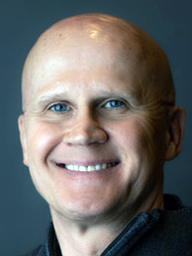
Dr. Neuenschwander
“I like the locums lifestyle,” Dr. Neuenschwander said. “The money is good. There are no hospital meetings or committees, and I’m far more focused on patient care and teamwork.” At age 60, nights are “a little tough,” he admitted, “but I’ve always gravitated to nights—and to the smartasses who work them.” (“Print that at your own risk,” he joked.)
The tradeoffs are real, he said, mostly dealing with office politics and consistency.
“You can get thrown under the bus—few people know you or what you stand for, and sometimes any accusation, no matter how ridiculous, is treated as valid,” Dr. Neuenschwander said. “The travel can be tough. Some days I feel like an animal—work, eat, sleep, repeat, repeat, repeat.”
What keeps him steady is a personal North Star he repeats often: “My mission is to provide the greatest opportunities for health and healing. I’ve learned I can do that anywhere, at any time.”
That clarity—plus the infrastructure of a contract management group that handles licensure, onboarding, and logistics (and a wife who’s all‑in on the lifestyle, sometimes joining him for multi‑week stints)—lets him keep practicing on terms that match this season of life. The perks don’t hurt either: three grown kids in Denver, Dallas, and Orlando, a Southwest Airlines companion pass, and the freedom to turn off‑weeks into “mini-honeymoons” after 34 years of marriage.
He’s blunt with early‑career physicians who eye locums purely for the paycheck.
“Don’t do it just for the money,” he said. “You’ll need to be flexible, self‑aware, internally driven, and humble enough to learn each site’s culture fast. But if you are—and if your purpose is clear—there’s real joy here.
“I’ve been called to do this work and still feel drawn to it. For now, this is my purpose.”
Variety Meets Consistency
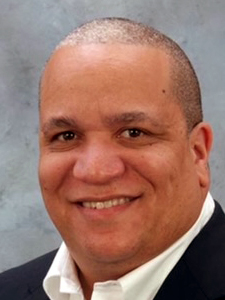
Dr. McGann
Kevin McGann, DO, wanted the variety of locums but with the support and cultural consistency of a single organization.
Envision’s Envoy Clinical Travel Program is an internal travel team that supplies physicians to Envision contracts with surges, vacancies, or brand‑new launches.
There are two traditional options when it comes to hiring physicians, Dr. McGann said. You can take your sweet time to hire a permanent physician for a traditional role, or you can rent a physician sight unseen to fill a gap. One is slow. The other is risky. This pushed Envision to formalize what Dr. McGann had been doing informally for years.
An Envoy employee interviews every clinician, pairs operations staff with practicing physician leaders, then builds long‑term relationships.
“Money isn’t enough to prevent burnout,” he said. “People need to feel known, supported, and part of a team—even if they’re on the road.”
Because Envoy doctors are already wired for mobility, the group also runs a Disaster Response Team that has deployed to hurricanes, COVID-19 surges in Texas, and six months of round‑the‑clock care for Afghan refugees at Holloman Air Force Base.
“We’re used to living out of a suitcase, adapting fast, and practicing with whatever resources are available,” Dr. McGann said. “That makes us useful when the country calls.”
ACEP’s Locum Tenens Section

Dr. Goldsmith
Jamila Goldsmith, MD, FACEP, likes the idea of flexibility, autonomy—and, yes, having a schedule that works for a mom.
“An ER is an ER everywhere—the foundations don’t change,” said Dr. Goldsmith, the chair of ACEP’s Locum Tenens Section. “What changes is the backdrop: new teams, new electronic medical records (EMRs), new workflows. Your core job is still the same—build trust fast with patients and with staff so the shift runs smoothly.”
Dr. Goldsmith said many who reach out to the section are looking to buy back their time—to be paid fairly for the work they do, set firmer personal boundaries, and rediscover the parts of emergency medicine that they love. As a mother of a 4‑year‑old, Dr. Goldsmith’s unapologetically structured.
“I never work Wednesdays,” she said. “My son’s swim lesson is non‑negotiable. When I’m on, I’m on. When I’m home, I’m 100 percent home.”
The Locum Tenens Section is also pushing policy. One current ACEP resolution asks certifying bodies like the American Board of Emergency Medicine to recognize that short contracts can make traditional hospital‑based quality improvement projects unrealistic, even though locum physicians can still create meaningful specialty‑wide impact (through national committee work, education, and policy).
And because locums equals small business, the Section spends time teaching physicians how to set up limited liability companies, handle accounting, and file taxes—the practical pieces that can make (or break) sustainability.
What’s the Right Path?
Is a nontraditional path right for you? Drs. Neuenschwander, McGann, and Goldsmith said you’ll thrive on a nontraditional path if you are mission‑driven and clear on your “why,” can adapt fast to different EMRs, teams, and local cultures, are teachable, not territorial, want to focus on the medicine and not the politics (at least for long stretches of your career), and value time autonomy as highly as compensation—and are willing to run your practice like a business.
You’ll struggle with a nontraditional path if you need daily validation from the same team, bristle at learning new systems or sharing control with a site’s established workflows, or see the model as “just for the paycheck,”—an element that every one of these physicians called out as a fast track to disappointment.
The Fun Part: You Design It
For Dr. Neuenschwander, it’s semi-retirement, combined with meaningful work near family. For Dr. McGann, it’s a national bench of travel‑ready clinicians who can jump from busy tertiary centers to hurricane shelters overnight. For Dr. Goldsmith, it’s total schedule autonomy that lets her be fully present both in the emergency department and at a Wednesday swim lesson.
If the standard three to four shifts a week no longer fits your season of life, you’re not stuck. ACEP’s Locum Tenens Section, internal travel programs like Envoy, and physician‑friendly contract groups offer legitimate, structured alternatives—complete with community, mentorship, and policy advocacy. And if you can’t find a path that matches your goals? Take Dr. Goldsmith’s advice: Bet on yourself and build it. Someone else is probably waiting to follow.
Leona Scott is a freelance writer based in Dallas.
Pages: 1 2 3 | Multi-Page




One Response to “Choose Your Shift: The Freedom of a Locum Tenens Career in EM”
September 14, 2025
Jamila GoldsmithLocums work truly does offer freedom and flexibility, but a word of caution: not every company operates with integrity. Some will happily confirm your shifts, only to delay or withhold payment — and then try to strong-arm you into their travel team as leverage for money you’ve already earned. Physicians should know their worth, stand firm, and choose partners carefully so the locums lifestyle remains empowering rather than exploitative.