
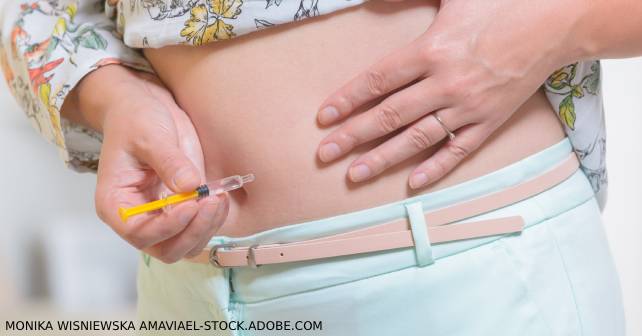
The treatment of patients with pulmonary embolism (PE) has evolved substantially over the past few decades. Many patients with PE can be discharged directly from the emergency department (ED). Advanced therapies such as catheter-directed treatments (CDT) are now available in many centers, and anticoagulants such as low-molecular–weight heparins (LMWH) and direct oral anticoagulants (DOACs) have been developed, which obviate the need for frequent laboratory monitoring and dose titration in many patients. Anticoagulant selection may seem much less important and exciting than the decision to administer thrombolytics or send a patient for thrombectomy; however, it is the cornerstone of PE treatment—and we are getting it wrong in a fair number of patients.
Explore This Issue
ACEP Now: March 02Although intravenous unfractionated heparin (UFH) was the first anticoagulant developed and routinely used in venous thromboembolism (VTE), the pharmacokinetics are wild. UFH has a variable half-life, extensive protein binding, and two-phased elimination requiring patients to undergo frequent bloodwork to ensure levels fall within a narrow therapeutic range. Despite nursing or pharmacy-driven protocols to adjusted doses based on activated partial thromboplastin (aPTT) or anti-factor Xa levels, a minority of patients anticoagulated with UFH for PE sustain therapeutic values across timepoints in the first couple of days.1 Further, a Cochrane review found that LMWH is associated with improved outcomes compared with UFH including reduced incidence of major hemorrhage (odds ratio [OR]=0.69; 95 percent CI, 0.50-0.95) and recurrent VTE during initial treatment up to 15 days (OR=0.69; 95 percent CI, 0.49-0.98). As a result, professional society guidelines have recommended alternatives to UFH such as LMWH or DOACs for most patients with PE for more than a decade.2-4
A study in Annals of Emergency Medicine of almost 300,000 patients hospitalized with acute PE between 2011-2020 found that the use of UFH increased from 41.9 percent to 56.3 percent despite guideline recommendations. During the same period, there was no sign that patients were sicker (i.e., no increase in vasopressor use, mechanical ventilation, admission to an intensive care unit, in-hospital mortality).5 The opposite trend in UFH use exists in countries outside the United States, where UFH use steadily decreased to less than 10 percent of patients.6 The question is: Why? What is driving this gap?
Anticoagulant Misconceptions
Misconceptions regarding anticoagulant pharmacology and contraindications are common. First, UFH is often perceived as “stronger” than alternatives, partially owing to the intravenous route of administration.7 Although UFH begins working immediately, studies demonstrate it takes a median of six to 15 hours to achieve therapeutic aPTT or anti-Xa levels.1,8 In contrast, the peak effect for LMWH and DOACs such as rivaroxaban and apixaban are much quicker (three to four hours and one to four hours, respectively). The pervasive maxim “quick on, quick off” for UFH doesn’t hold up as well as touted.
Pages: 1 2 3 | Single Page



One Response to “Anticoagulant Selection Is Cornerstone of Pulmonary Embolism Treatment”
March 23, 2025
David McClellanThis comment is true as far as it goes LMWH would certainly be better than unfractionated heparin in most cases. I think giving short shift to the Dorax is a serious deficiency. Using DOACs enables you to briefly observe the patient in the emergency department to send them home with lower risk, pulmonary embolism and almost all other VT’s with quite significant safety as has been previously proven and numerous studies.