Logo

Log In Sign Up |  An official publication of: American College of Emergency Physicians
Navigation
  • Home
  • Multimedia
    • Podcasts
    • Videos
  • Clinical
    • Airway Managment
    • Case Reports
    • Critical Care
    • Guidelines
    • Imaging & Ultrasound
    • Pain & Palliative Care
    • Pediatrics
    • Resuscitation
    • Trauma & Injury
  • Resource Centers
    • mTBI Resource Center
  • Career
    • Practice Management
      • Benchmarking
      • Reimbursement & Coding
      • Care Team
      • Legal
      • Operations
      • Quality & Safety
    • Awards
    • Certification
    • Compensation
    • Early Career
    • Education
    • Leadership
    • Profiles
    • Retirement
    • Work-Life Balance
  • Columns
    • ACEP4U
    • Airway
    • Benchmarking
    • Brief19
    • By the Numbers
    • Coding Wizard
    • EM Cases
    • End of the Rainbow
    • Equity Equation
    • FACEPs in the Crowd
    • Forensic Facts
    • From the College
    • Images in EM
    • Kids Korner
    • Medicolegal Mind
    • Opinion
      • Break Room
      • New Spin
      • Pro-Con
    • Pearls From EM Literature
    • Policy Rx
    • Practice Changers
    • Problem Solvers
    • Residency Spotlight
    • Resident Voice
    • Skeptics’ Guide to Emergency Medicine
    • Sound Advice
    • Special OPs
    • Toxicology Q&A
    • WorldTravelERs
  • Resources
    • ACEP.org
    • ACEP Knowledge Quiz
    • Issue Archives
    • CME Now
    • Annual Scientific Assembly
      • ACEP14
      • ACEP15
      • ACEP16
      • ACEP17
      • ACEP18
      • ACEP19
    • Annals of Emergency Medicine
    • JACEP Open
    • Emergency Medicine Foundation
  • About
    • Our Mission
    • Medical Editor in Chief
    • Editorial Advisory Board
    • Awards
    • Authors
    • Article Submission
    • Contact Us
    • Advertise
    • Subscribe
    • Privacy Policy
    • Copyright Information

ACEP4U: the ACEP/CORD Teaching Fellowship

By Christina Shenvi, MD, PhD, MBA, FACEP | on November 4, 2025 | 0 Comment
ACEP4U
  • Tweet
  • Click to email a link to a friend (Opens in new window) Email
Print-Friendly Version
“The most valuable thing I learned at the TF [Teaching Fellowship] was an organized approach to developing curricula, and it got me started with an interest in learning how to be a better public speaker. If you want to be a great basketball player, you don’t get there by just watching a lot of basketball on TV or playing a lot of ’pick-up’ basketball. You join a team. You get coaching. You go to camps. You learn the fundamentals, and then you practice, practice, practice what you’ve learned. Effective teaching is no different. You can’t be a great teacher by just playing ’pick-up’ or simply by watching other people do it. This teaching fellowship is like a camp where you get coaching and learn the fundamentals … then you go back and practice, practice, practice what you’ve learned.”

You Might Also Like
  • 2020 ACEP Leadership Award Winners
  • 2018 ACEP Elections Preview: Meet the Board of Directors Candidates
  • Congratulations to the 2019 ACEP Leadership Award Winners
Explore This Issue
ACEP Now: November 2025

————————————-

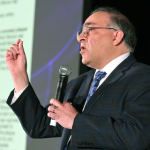
Amal Mattu, MD

Vice Chair of Academic Affairs,

University of Maryland, TF Class Of 1997

For 35 years, the ACEP/Council of Emergency Medicine Residency Directors (CORD) Teaching Fellowship (TF) has been the launchpad for emergency physicians who teach, lead, and inspire. What began as a pioneering effort to train the first generation of emergency medicine educators has grown into a nationally recognized program that shapes the trajectory of academic careers.

“It was incredibly motivating to be surrounded by passionate clinician-educators who were committed to improving how we teach and learn in emergency medicine. The TF had a transformative impact on my trajectory as a medical educator. Despite being only a few weeks together in-person, it functioned like a mini fellowship — offering intensive, practical tools that I could immediately apply to my program. The experience helped me define my voice as an educator, provided a national platform, and opened the door to lecture opportunities at national meetings and collaborations across institutions. If you care about education, this experience will change your trajectory. I still lean on the skills I gained and the relationships I built during the fellowship. It’s an ideal launchpad for anyone looking to grow as a leader in academic emergency medicine.”

————————————-

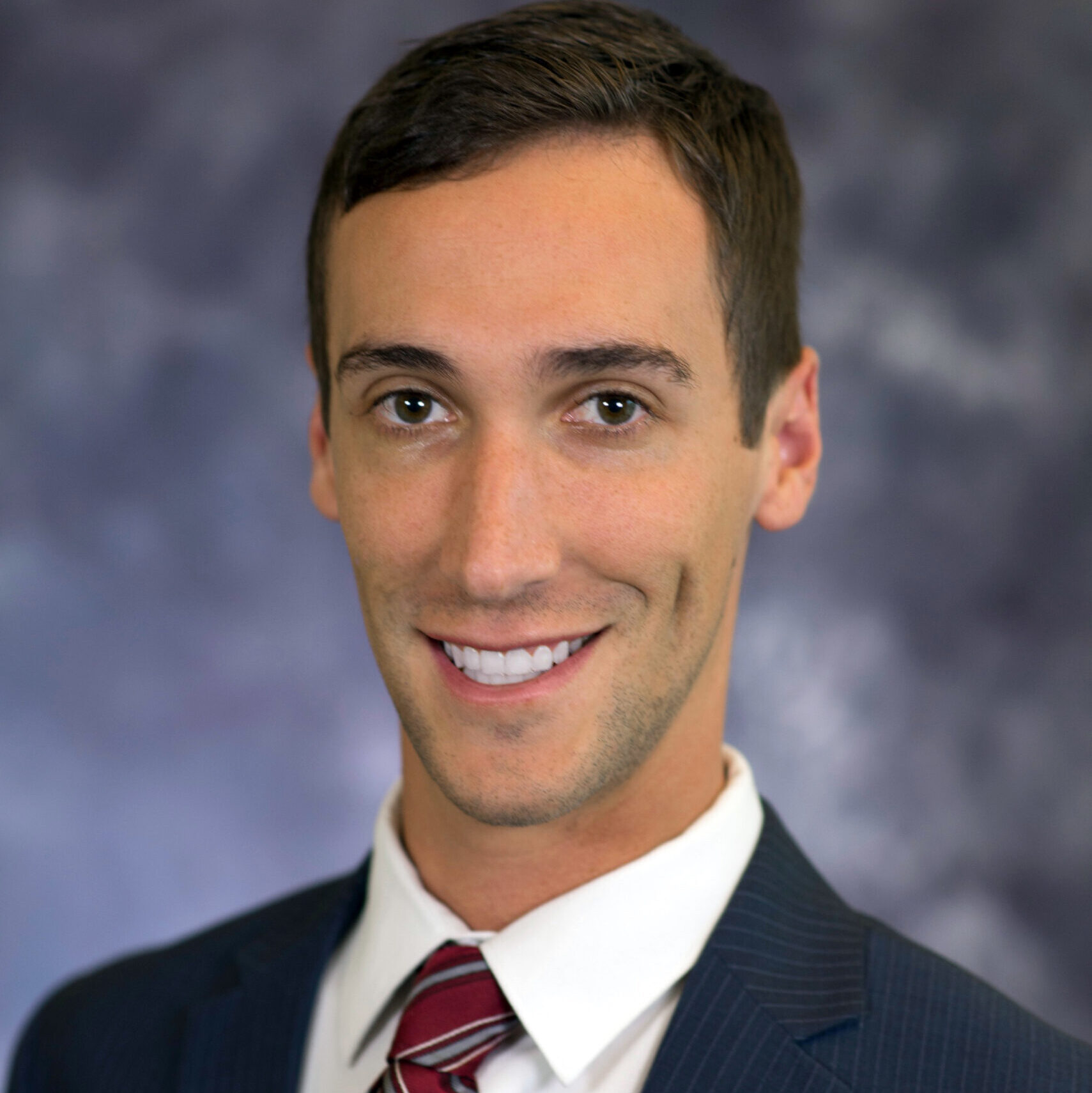
Shayne Gue, MD, FACEP

Program Director,

BayCare Health System, TF class of 2022

With hundreds of alumni now serving as program directors, department chairs, national leaders, and innovators in medical education, the Fellowship’s legacy is woven into the fabric of emergency medicine.

Teaching How to Teach

“The most valuable thing I learned at the TF was an organized approach to developing curricula, and it got me started with an interest in learning how to be a better public speaker,” said Amal Mattu, MD, vice chair of academic affairs, University of Maryland in Baltimore, TF class of 1997. The TF was started in 1989 by Michael Gallery, who holds a PhD in human performance improvement, and was, at the time, the ACEP director of policy and executive director of the Emergency Medicine Foundation. He identified a gap in the needs of emergency medicine educators at the time. As an Advanced Cardiovascular Life Support and Advanced Trauma Life Support national educator, he noticed that physicians are often not taught how to teach. At the time, physicians primarily learned through observation and, often, through receipt of poorly delivered or punitive feedback. He created the TF in collaboration with emergency physicians at the University of Texas Southwestern Medical Center in Dallas to help teach physicians to be effective educators. It started as a group of 20-25 physicians who met for two weeks in the fall and two weeks in the spring, completing a project between the phases.

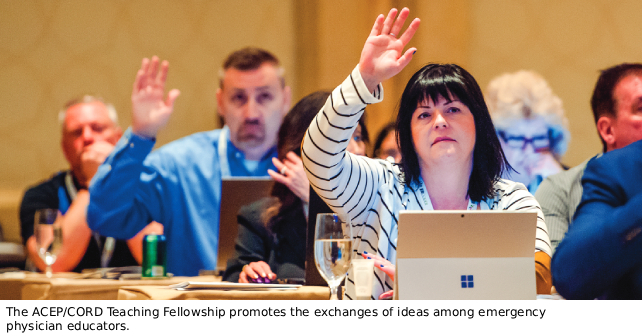
The TF’s format has evolved over the years to meet the changing needs of academic medicine and learners. The program continues to be highly interactive and high yield. Participants attend two five-day in-person phases and complete a year-long education-focused project in between. They engage in small group learning, give presentations to each other, and practice giving and receiving feedback, under the guidance of seasoned faculty educators. It is the training program where many prominent educators got their start in education.

“The most valuable thing from the TF was building a network of passionate educators from across the nation that I have continued to work with and regularly see at national meetings. This network was … key to my own development and often helps to remind me that I am not alone when fighting to improve the educational experience for trainees. The TF helped me launch my career in education. I completed the program as a chief resident, and it confirmed to me that there was legitimacy in pursuing education as an outlet and would also help sustain me throughout my career. The network it helped me build was invaluable for the support, for those challenging moments as an educational leader, while also reinforcing key skills to be the best educator I could be for my trainees.”

————————————-

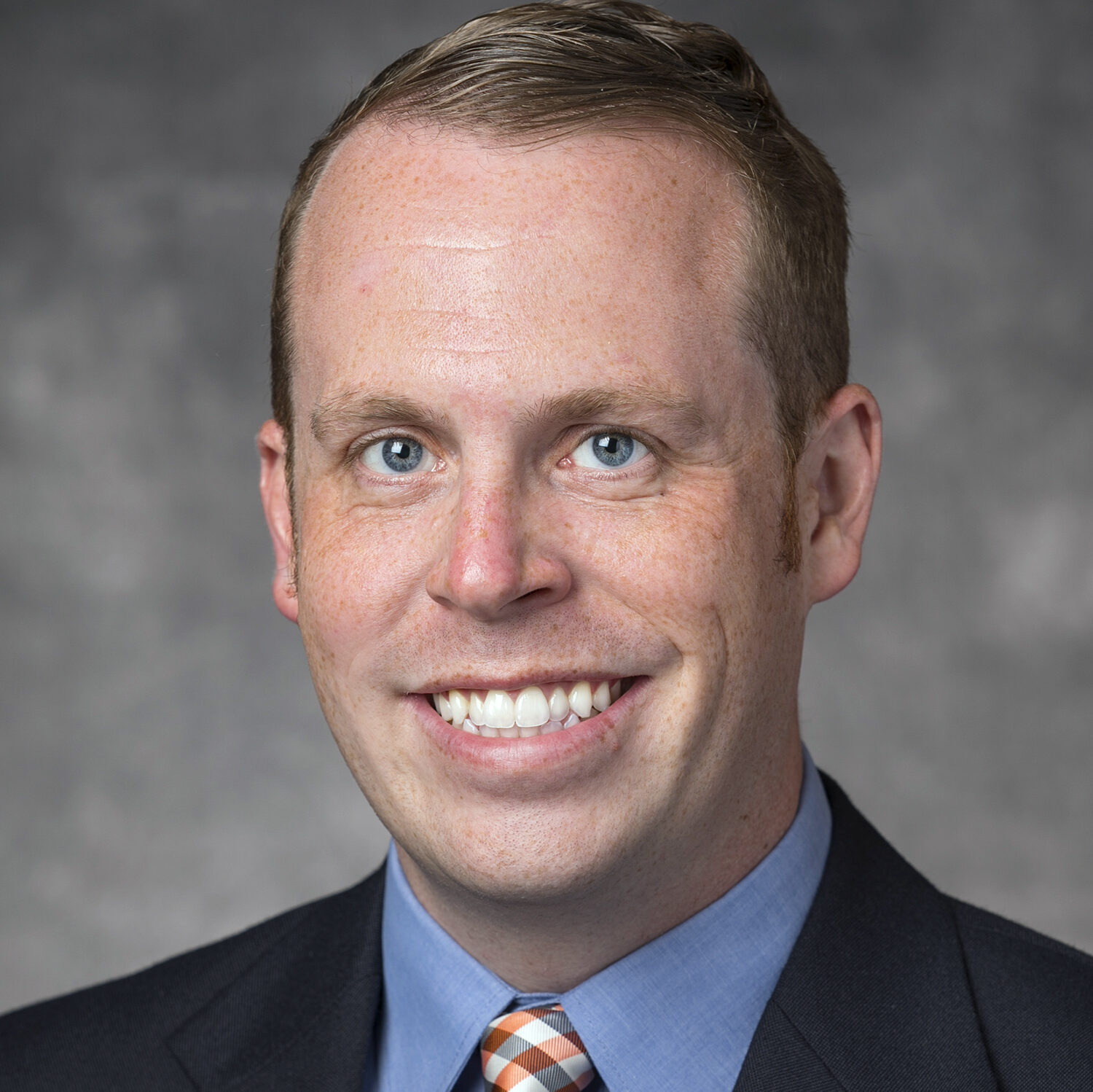
Matthew Stull, MD, FACEP

Director of Emergency Critical Care,

University of South Carolina,

TF Class of 2015

Two-Phase Program

The two in-person phases are now integrated into ACEP’s Accelerate conference, providing participants with even more opportunities for networking, mentorship, and professional development. This integration allows TF participants to engage with a broader community of educators and leaders and gives them more time between the phases to complete their projects.

“The most valuable part of the TF was the community. I left with a national network of educators, collaborators, and — most meaningfully — lifelong friends,” said Shayne Gue, program director, BayCare Health System in Tampa, Fla., TF class of 2022.

During the TF, the first phase focuses on foundational skills critical for every educator, such as curriculum design, effective speaking, slide design, bedside teaching, and feedback. During Phase 1, each participant delivers a “microteaching” presentation within a small group led by a faculty member and receives feedback. During Phase 2, the focus is on leadership and more advanced topics, such as communication, keys to career success, negotiations, mentorship, and program leadership. In Phase 2, each participant presents their projects. Participants also leave with a strong professional identity as educators. The emphasis on interactive learning, reflection, and feedback equips fellows with knowledge, but it also helps spark the curiosity that supports lifelong development as academic physicians.

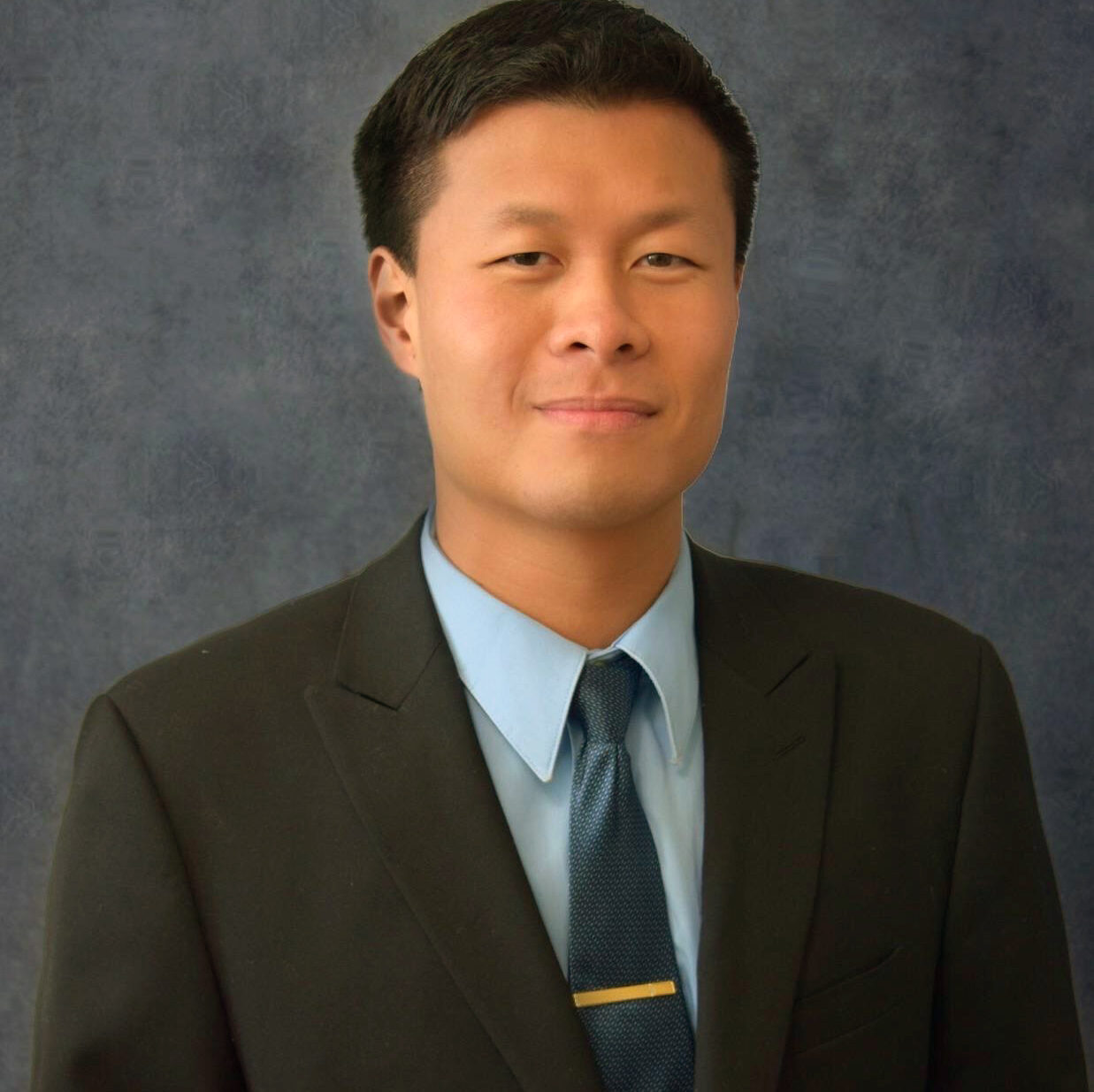
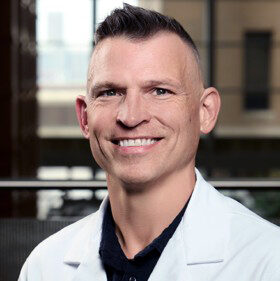
“The ACEP/CORD TF is a must for any academic emergency physician, and it has been the highlight of my career. I learned so much between August 2024 and January 2025 from this experience. Shortly afterward, and in a shocking turn of events in January 2025, we received the heartbreaking news that our program would be closed by ACGME as of June 2025. I immediately reached out to the new friends from TF via our WhatsApp Group, and the immediate outpour of support brought me to tears. Everything, from words of encouragement to offering interviews and spots to our now orphaned residents, made all the difference as we secured a new home for all our residents. Our program was recently given a second chance and was reopened by ACGME just last week. We are extremely grateful, and I am confident and excited that all the skills and lessons I have developed from the TF will be used each single day as we work diligently to develop our program into the best it has ever been.”

————————————-

Kenneth Chang, DO

Valley Health System, Las Vegas,

TF class of 2025

“The network it helped me build was invaluable for the support, for those challenging moments as an educational leader, while also reinforcing key skills to be the best educator I could be for my trainees,” said Matthew Stull, MD, director of emergency critical care, University of South Carolina in Columbia, S.C., TF class of 2015.

A Teaching Community

A strong sense of community forms among TF participants. They can learn together, share their work, collaborate on shared projects, and occasionally provide medical care. During a recent teaching fellowship, a group of participants leaving the fellowship encountered a traveler at the airport who went into cardiac arrest in front of them. The group immediately performed CPR and resuscitated him before the paramedics arrived. TF alumni also often continue to stay in touch, meet up at conferences, or support each other in many ways.

As we celebrate the 35th anniversary of the ACEP/CORD TF, we also celebrate the community it has fostered: a national network of educators dedicated to enhancing the way we teach, lead, and ultimately care for patients. The program’s longevity and the success of its alumni are a testament to the power of investment in faculty development.

“The most valuable part of the TF was a community of like-minded educators who 15 years later are now leaders in their fields. It gave me my first audience that told me I was a good speaker. This led to increased confidence in public speaking, which is now the thing I enjoy most in my job. This was an invaluable resource that nudged me from academic- and education-curious to fully invested in teaching.”

————————————-

Jason Wagner, MD, FACEP

Vice Chair for Education,

Washington University in St. Louis, TF Class of 2010

The next cohort of the TF will begin in January 2026 at Accelerate. If you are an early- or mid-career educator looking to grow your skills, your network, and your impact, consider joining this remarkable legacy of learners and leaders.

The TF is currently directed by Christina Shenvi, MD, PhD, MBA, FACEP, and Jason Wagner, MD, FACEP, and it owes a great debt of thanks to all of the current and prior speakers, participants, and directors, including the most recent other directors, Susan Promes, MD, MBA, FACEP, and Mary-Jo Wagner, MD, FACEP.

—————————————–

Dr. Shenvi is a professor of Emergency Medicine at UNC-Chapel Hill and is the co-director of the ACEP-CORD Teaching Fellowship.

Pages: 1 2 3 4 | Multi-Page

Topics: ACEP AccelerateACEP Teaching FellowshipCareer DevelopmentCORDEducationFacultyLeadershipMedical EducationMentorshipTeaching

Related

  • FACEPs in the Crowd: Dr. John Ludlow

    November 5, 2025 - 0 Comment
  • ACEP Announces Michael Fraser, PhD, MS, CAE, as Executive Director

    October 28, 2025 - 0 Comment
  • Get to Know ACEP’s Leadership

    October 21, 2025 - 0 Comment

Current Issue

ACEP Now: November 2025

Download PDF

Read More

No Responses to “ACEP4U: the ACEP/CORD Teaching Fellowship”

Leave a Reply Cancel Reply

Your email address will not be published. Required fields are marked *


*
*


Wiley
  • Home
  • About Us
  • Contact Us
  • Privacy
  • Terms of Use
  • Advertise
  • Cookie Preferences
Copyright © 2025 by John Wiley & Sons, Inc. All rights reserved, including rights for text and data mining and training of artificial technologies or similar technologies. ISSN 2333-2603