Logo

Log In Sign Up |  An official publication of: American College of Emergency Physicians
Navigation
  • Home
  • Multimedia
    • Podcasts
    • Videos
  • Clinical
    • Airway Managment
    • Case Reports
    • Critical Care
    • Guidelines
    • Imaging & Ultrasound
    • Pain & Palliative Care
    • Pediatrics
    • Resuscitation
    • Trauma & Injury
  • Resource Centers
    • mTBI Resource Center
  • Career
    • Practice Management
      • Benchmarking
      • Reimbursement & Coding
      • Care Team
      • Legal
      • Operations
      • Quality & Safety
    • Awards
    • Certification
    • Compensation
    • Early Career
    • Education
    • Leadership
    • Profiles
    • Retirement
    • Work-Life Balance
  • Columns
    • ACEP4U
    • Airway
    • Benchmarking
    • Brief19
    • By the Numbers
    • Coding Wizard
    • EM Cases
    • End of the Rainbow
    • Equity Equation
    • FACEPs in the Crowd
    • Forensic Facts
    • From the College
    • Images in EM
    • Kids Korner
    • Medicolegal Mind
    • Opinion
      • Break Room
      • New Spin
      • Pro-Con
    • Pearls From EM Literature
    • Policy Rx
    • Practice Changers
    • Problem Solvers
    • Residency Spotlight
    • Resident Voice
    • Skeptics’ Guide to Emergency Medicine
    • Sound Advice
    • Special OPs
    • Toxicology Q&A
    • WorldTravelERs
  • Resources
    • ACEP.org
    • ACEP Knowledge Quiz
    • Issue Archives
    • CME Now
    • Annual Scientific Assembly
      • ACEP14
      • ACEP15
      • ACEP16
      • ACEP17
      • ACEP18
      • ACEP19
    • Annals of Emergency Medicine
    • JACEP Open
    • Emergency Medicine Foundation
  • About
    • Our Mission
    • Medical Editor in Chief
    • Editorial Advisory Board
    • Awards
    • Authors
    • Article Submission
    • Contact Us
    • Advertise
    • Subscribe
    • Privacy Policy
    • Copyright Information

ACEP Virtual Day on the Hill: Advocating From the Front Line

By L. Anthony Cirillo, MD, FACEP | on June 15, 2020 | 0 Comment
Features
  • Tweet
  • Click to email a link to a friend (Opens in new window) Email
Print-Friendly Version
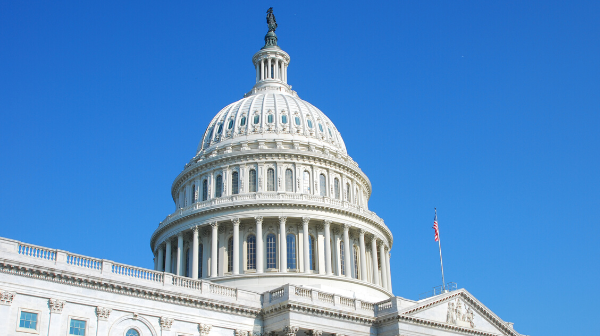
Image Credit: uschools/Getty Images

On Tuesday, April 28, ACEP hosted a successful and first-of-its kind, “Virtual Hill Day”. This virtual event provided ACEP physicians the opportunity to talk with members of Congress (MOCs) and Capitol Hill staffers about the personal, professional, and financial challenges that emergency physicians are facing during the COVID-19 pandemic. These would normally have been in-person visits as part of the annual ACEP Leadership & Advocacy Conference (LAC). Admittedly not as much fun as being in Washington, DC together, the virtual Hill visits were incredibly valuable as we shared our first-hand, front-line experiences in responding to the COVID-19 pandemic.

You Might Also Like
  • ACEP Virtual Hill Day Focuses on COVID-19 Response
  • ACEP17 White Coat Day Brings ACEP Members to Meet Legislators on Capitol Hill
  • ACEP Fights to Protect Emergency Physicians During Pandemic
Explore This Issue
ACEP Now: Vol 39 – No 06 – June 2020

The ACEP DC team demonstrated creativity and leadership here. While many other professional medical societies cancelled their annual advocacy events, ACEP knows that our members must tell the stories of how COVID-19 has affected them and our patients.

The success of this program is evident in the numbers. A total of 474 ACEP members from 45 states participated in 306 virtual Hill visits. These numbers are not far off from our usual in-person meetings. More impressively the percentage of visits with MOCs was almost 50 percent, higher than ever! A benefit of the virtual format was that, since we weren’t scurrying all over the Capitol for meetings, 429 attendees had time to provide feedback and comments, allowing the ACEP Washington, D.C., staff to follow up with congressional offices and refine the College’s advocacy messaging and strategy.

To focus our message, ACEP developed talking points and “asks” for the visits. This year, instead of the traditional issue briefing on the morning of the Hill visits, the briefing was virtual, held the Thursday before Hill Day. This head start gave chapters the opportunity to plan, making the most of the 30-minute visits. Not surprisingly, the issues and topics this year were all coronavirus related and included:

  • Personal protective equipment (PPE)
  • Hazard and hero pay
  • Liability protection and immunity
  • Coverage: protection of the emergency care safety net

The experiences of “hot spots” and “ghost town” emergency departments and how the pandemic has affected our practices in vastly different ways were shared with MOCs. Explaining that having enough PPE is not equivalent to having appropriate PPE shocked many members who were under the false impression, based upon messaging from government officials, that PPE shortages are no longer a problem. We shared our concerns about the risks that we are taking in potentially infecting ourselves, our loved ones, and other patients by having to use the same respirator for an entire shift or longer.

We discussed the needs of emergency physicians and our respective group practices. We described how the decrease in ED volumes was threatening the viability of staffing models. One key point emphasized was that a significant majority of emergency physicians are not directly employed by hospitals. While it is important for hospitals to receive financial support from efforts such as the CARES Act, direct and urgent financial help is needed for emergency physicians and our practices.

Overall, the Virtual Hill Day was a success. Telling our stories directly to MOCs and Hill staff is invaluable. It helps them understand who we are and what we do. Sharing not just the statistics, but the personal experience of emergently intubating a patient with COVID-19 in respiratory distress makes the pandemic more real for MOCs. Sharing how that affects us as emergency physicians, and more importantly as people, humanizes us.

During these visits, perhaps more than ever, the MOCs and the Hill staffers we met expressed appreciation for what we do every day in caring for the nation. We asked that they channel that appreciation by supporting emergency physicians in their work in Congress. We asked that they advocate for direct, urgent, and significant financial support of the specialty of emergency medicine with the Trump administration and leadership of the Department of Health and Human Services so that we can continue to be the nation’s health care safety net on a 24-7-365 basis throughout and after the pandemic.

For those of us who participated in the Virtual Hill Day, we were not just telling our stories, but the stories of all emergency physicians who are the front line of the health care response to this pandemic. I would encourage all of you to find your advocacy voice and join us next year at the Leadership & Advocacy Conference. Or better yet, don’t wait until next year get involved. Join the 911 Network to stay updated and informed on federal and state issues. Contribute to NEMPAC now, as well, and help ACEP amplify your voice on the issues that matter most to emergency medicine.

How to Advocate For Emergency Medicine

by Robyn Levine, MD

The setting was not what we had planned. Instead of Capitol Hill, I sat at home on my couch with my iPhone on speaker. On the other end of the line was a group of local emergency physicians and our Rhode Island U.S. Senators and Representatives. Like many events during the COVID-19 pandemic, this year’s ACEP LAC took place virtually. Despite the new format, participating in the conference was eye-opening. Here are a few reflections I’d like to share:

  1. Get to know your elected officials. As a Florida native and relative newcomer to the small but mighty state of Rhode Island, I am continually surprised by how everyone here seems to know each other. I have now grown accustomed to caring for patients in the emergency department, only to later find out that they are my colleague’s friend, neighbor, or family member. Still, I was surprised to hear that many of the other physicians participating in our LAC group have longstanding relationships with U.S. Congress members and their staffers through their advocacy work over the years. These trusting relationships were key, allowing for mutual understanding as we discussed the challenges facing emergency physicians and all health care workers on the front lines of the COVID-19 pandemic. I am lucky to live and practice medicine in a small state and close-knit community where our voices can make a difference at the national level.
  2. Advocacy can feel uncomfortable. One of our group’s main aims was to urge our political leaders to continue to address critical deficits in the supply of PPE. My role was to share my perspective as a resident physician reusing disposable N95 masks over multiple shifts due to the national shortage. Despite a seemingly straightforward task, it was a challenge to speak with elected officials; being assertive about my experience was important in advocating for residents and what we are experiencing on the front lines. I prepared by thinking through the important aspects of the PPE shortage and writing down my message ahead of time. As the day went on, I realized that firsthand accounts are a powerful tool to help our representatives fully understand the urgency and scope of the issues. My perspective as a resident is a critical one to the conversation. Sharing personal stories is important, even when it does not come naturally and is a challenge for us to own our place as advocates.
  3. Organization is key. Thanks to the hard work of our local ACEP chapter and national leaders, our group approached LAC with a clear agenda and plan for discussing priority items in each meeting with elected officials. I listened as others on the calls cited relevant statistics and spoke knowledgeably about current bills related to the COVID-19 response. Developing these informed positions takes time and effort, and this conference demonstrated the importance of participating in and supporting organizations with the resources to advocate effectively on behalf of our specialty.

Overall, the LAC was a welcome opportunity to step back from the daily grind of clinical medicine and learn about the larger challenges facing emergency physicians. This year’s circumstances were unusual—but we made our voices heard, even from the comforts of our own homes.


Dr. Levine is an emergency medicine resident at Brown University.

Pages: 1 2 3 | Multi-Page

Topics: #GetUsPPEAdvocacycoronavirusCOVID-19Personal Protective EquipmentPublic Policy

Related

  • Q&A with ACEP President L. Anthony Cirillo

    November 5, 2025 - 0 Comment
  • October 2025 News from the College

    September 23, 2025 - 0 Comment
  • ACEP and ACEP Chapters Affect Change in 2025

    September 3, 2025 - 0 Comment

Current Issue

ACEP Now: November 2025

Download PDF

Read More

About the Author

L. Anthony Cirillo, MD, FACEP

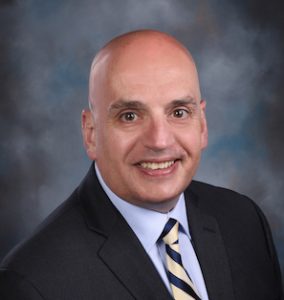
Dr. Cirillo serves on the ACEP Board of Directors. He still actively practices emergency medicine and serves as the director of government affairs for US Acute Care Solutions.

View this author's posts »

No Responses to “ACEP Virtual Day on the Hill: Advocating From the Front Line”

Leave a Reply Cancel Reply

Your email address will not be published. Required fields are marked *


*
*


Wiley
  • Home
  • About Us
  • Contact Us
  • Privacy
  • Terms of Use
  • Advertise
  • Cookie Preferences
Copyright © 2025 by John Wiley & Sons, Inc. All rights reserved, including rights for text and data mining and training of artificial technologies or similar technologies. ISSN 2333-2603