
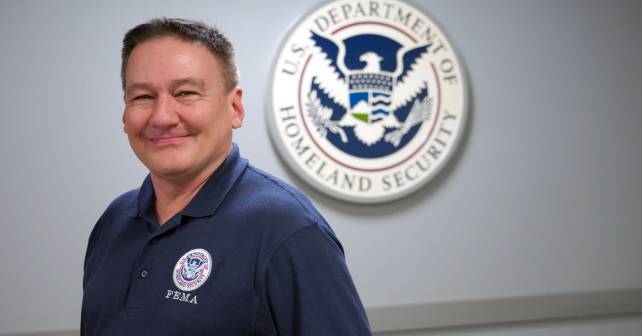
Since he was young, Andre Pennardt, MD, FACEP, chief medical officer of the Federal Emergency Management Agency (FEMA), has had a way of bringing calmness to chaotic situations.
Explore This Issue
ACEP Now: August 2025 (Digital)Growing up, Dr. Pennardt became fascinated with the television show “Emergency!” and watched every episode, which led to taking CPR and first-aid classes by age 14. Dr. Pennardt continued to develop and gain responsibility in the field by first getting involved with the local ambulance service and, later in college, progressing to a certified emergency medical technician. As someone who wanted to assist the injured and ill in their time of need, emergency medicine seemed to be the natural career path for Dr. Pennardt.
“I really enjoy being part of an interdisciplinary team that’s working together to save a life,” Dr. Pennardt said. “I like to make chaos turn into calm decision-making. And there’s the reward of helping people when they’re experiencing possibly the worst day of their lives.”
Disaster Management
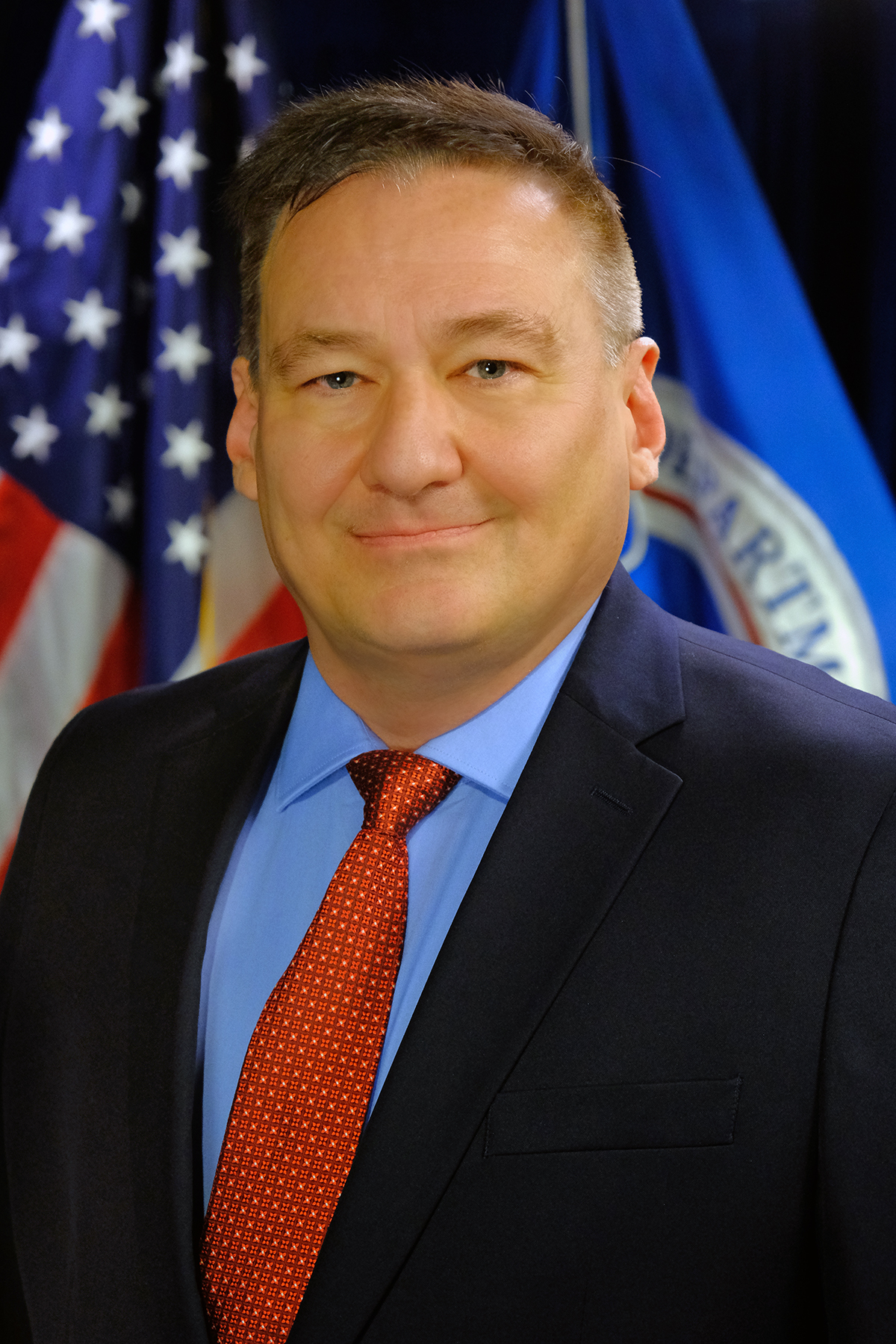
Dr. Pennardt
As natural disasters are becoming more frequent, they often are the cause of some of the worst moments a person can experience. Dr. Pennardt spent some time in the Army where he participated in the response to some natural disasters and humanitarian relief missions. It was there that he developed an interest in emergency management. Shortly after gaining a master’s degree in emergency management, an opportunity with the FEMA presented itself.
“FEMA has an ethos of public service,” Dr. Pennardt said. “FEMA is committed to helping people before, during, and after disasters. I have completed a career in the United States Army, where we were dedicated to protecting the nation. So joining an agency that was also committed to safeguarding the American people seemed like a good way to continue on that kind of track.”
During the early stages of the COVID-19 pandemic, FEMA realized it needed access to medical expertise to keep their agency safe while simultaneously helping communities respond to the pandemic and concurrent natural disasters. Dr. Pennardt became the first to hold the position of Chief Medical Officer within FEMA; the journey has been a rewarding challenge, he said.
“It was a really tumultuous time, and the stakes were really high,” Dr. Pennardt said. “The initial staff that I had been given had limited medical training. So there was a lot of pressure to do what I needed to do. By the same token, it also seemed like it was a good opportunity to start with a clean slate. I could develop my own vision of where I needed to go, where I wanted to go, where I thought the agency needed to go.”
Putting Training to Use
Dr. Pennardt said the skills he gained during residency at the San Antonio Military Medical Center and in the Army prepared him for his role with FEMA in a variety of ways. He was trained to remain calm amid chaos. He learned to effectively organize and lead a team when time is of the essence. He could already manage multiple critical tasks at the same time.
Emergency medicine and military training also gave him the skills to develop and lead complex operational programs. Dr. Pennardt said people who haven’t been directly affected by a natural disaster have a hard time comprehending the magnitude of it—widespread devastation and the effect the situation has on the survivors and responders.
However, he said the reward comes from having the opportunity to respond to these disasters and subsequently help others.
“People who’ve lost everything…to help them regain hope, begin to rebuild their lives, and help their communities heal and return to normalcy … I think unquestionably that would have to be the most gratifying experience of working at FEMA,” according to Dr. Pennardt.
Lisa McReynolds is a freelance journalist based in Fort Worth, Texas.
Pages: 1 2 | Multi-Page


No Responses to “ACEP Member Uses ED, Military Training To Set Standards at FEMA”