
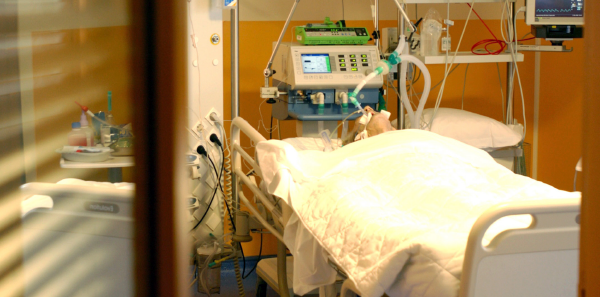
Systems-Level Considerations
Organizing terminal extubation in the emergency department may seem overwhelming, especially if there are no existing systems in place to help guide busy physicians through these steps. To mitigate this barrier, emergency departments should pre-establish protocols and order sets to streamline this process for clinicians. These protocols can help identify patients who are good candidates for ED extubation and outline clear steps forward, including who to call and what resources are available.
Explore This Issue
ACEP Now: Vol 40 – No 08 – August 2021As part of these protocols, it is prudent to pre-identify private care rooms/flex rooms in our emergency departments that may be closer to the nursing station, quieter, and adaptable to larger families. Emergency departments should also create order sets with common medications and dosing recommendations for end-of-life issues. They should also address how to set up the room (eg, turning off the monitors and providing chairs). These order sets significantly reduce cognitive burden and improve consistency, which is especially important given wide variations in comfort levels of physicians carrying out this procedure.
If possible, offer training on terminal extubation to all ED staff and identify champions from nursing, care coordination, social work, and chaplaincy as well as physicians, nurse practitioners, and physician assistants who can help to integrate and improve this process. Finally, we should anticipate staff and resource constraints and proactively address common challenges (eg, chaplain availability during nights or weekends, feasibility concerns during peak hours, etc.). Our palliative care colleagues may be able to provide us support during these times. Ideally, multidisciplinary huddles should occur after each terminal extubation to improve the experience through quality improvement initiatives and build team resilience. A team-based approach can help make this complex process easier for patients, families, and hospital staff.
Conclusions
Although performing terminal extubation in the emergency department presents unique challenges, it is likely that all emergency physicians will encounter appropriate scenarios for terminal extubation. By utilizing multidisciplinary teams, providing clear communication to families, creating systemwide protocols and order sets, and continually assessing these protocols, we can streamline this process and provide better care for our patients. It is our hope that this guidance will help you to carry out this important procedure for appropriate patients in the emergency department while avoiding common pitfalls.
 Dr. Hosain is third-year emergency medicine resident at Yale New Haven Hospital in Connecticut.
 Dr. Wallingford is a fellow physician in hospice and palliative medicine in the department of internal medicine at Dell Medical School at the University of Texas at Austin.
Pages: 1 2 3 4 | Single Page



No Responses to “A Patient- and Family-Focused Approach to Terminal Extubation”