
Preparation
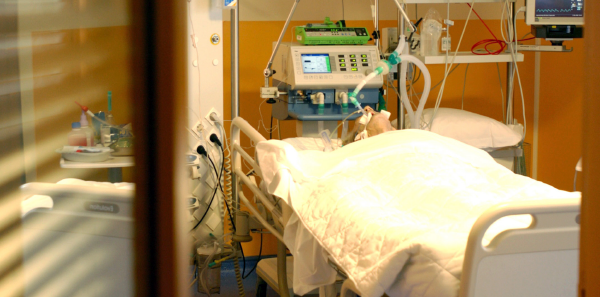
Appropriate preparation for terminal extubation is a critical, often overlooked step to ensure a smooth process for all parties. We must educate and prepare staff about this procedure before the need acutely arises. Consider identifying nurses in advance who can have reduced assignments while they assist with patients undergoing terminal extubation. If available, resources to offer spiritual and emotional support are especially valuable. Many inpatient palliative care teams have a dedicated chaplain and social worker who are specifically trained for these scenarios, and their expertise should be utilized.
Explore This Issue
ACEP Now: Vol 40 – No 08 – August 2021Once the decision to proceed is made and appropriate team members have been mobilized, emergency physicians should consider the timing of the extubation process. Depending on the circumstances, it may be prudent to await the arrival of other family members. Understanding the hospital’s visitation policy is also important, as the inability to allow certain family members to visit may affect the decision of when to extubate. For example, some adult emergency departments do not allow visitors under age 18, which might push family to instead pursue extubation as an inpatient, where visitation rules are less stringent.
Once family is gathered, it is essential to set expectations and provide anticipatory guidance regarding what might happen and what symptoms the patient might experience. One common question from family members is how long the process will take. Although this can vary, studies indicate median time to death after ventilatory withdrawal for terminal extubation is 0.9 hours, and the vast majority die within 10 hours.2 As physicians, we should clarify this uncertainty in advance. “I wish I knew exactly how long this might take. It usually happens within 10 hours, but I can’t give you an exact answer. I can promise we will do our best to make your loved one comfortable.”
After communicating with the family, identify an appropriate room for the extubation to occur. Ideally, this space should be private, quiet, and spacious enough to accommodate family members; some emergency departments have had success in utilizing observation or “flex” rooms for this purpose. With the assistance of the registered nurse and patient technicians, take a moment to set up the room by muting monitors and providing water, chairs, tissues, and blankets for loved ones.
Extubation Management and Disposition
Once the patient and family are ready, the emergency physician should shift focus to the medical management of extubation. In anticipation of common post-extubation symptoms, emergency clinicians should have push-dose medications readily available, including opioids for pain or dyspnea, benzodiazepines for anxiety, glycopyrrolate for terminal secretions, and steroids or nebulized epinephrine for stridor.3 In addition to medications, a towel and suction are helpful to manage excess secretions on the endotracheal tube and in the oropharynx. Depending on the patient’s current respiratory status, we may opt for either direct terminal extubation or a terminal wean in which ventilatory settings are reduced in a stepwise fashion every few minutes to provide a more gradual decrease in respiratory support.4 The respiratory therapist may be able to assist with this process. After assembling the multidisciplinary team, communicating with family, and preparing the room and medications, the extubation itself may often feel like the easiest part of this process.
Following extubation, it is important to consider potential dispositions if time to death is prolonged. We should consider whether patient needs might best be met in inpatient hospice, home hospice, or the acute care hospital. Coordinating with the case manager, social worker, or chaplain may help elucidate which options are most appropriate. If available, we should collaborate with existing palliative care teams to utilize appropriate resources. These teams can provide guidance and support, especially for physicians new to the process.
Pages: 1 2 3 4 | Single Page



No Responses to “A Patient- and Family-Focused Approach to Terminal Extubation”