Logo

Log In Sign Up |  An official publication of: American College of Emergency Physicians
Navigation
  • Home
  • Multimedia
    • Podcasts
    • Videos
  • Clinical
    • Airway Managment
    • Case Reports
    • Critical Care
    • Guidelines
    • Imaging & Ultrasound
    • Pain & Palliative Care
    • Pediatrics
    • Resuscitation
    • Trauma & Injury
  • Resource Centers
    • mTBI Resource Center
  • Career
    • Practice Management
      • Benchmarking
      • Reimbursement & Coding
      • Care Team
      • Legal
      • Operations
      • Quality & Safety
    • Awards
    • Certification
    • Compensation
    • Early Career
    • Education
    • Leadership
    • Profiles
    • Retirement
    • Work-Life Balance
  • Columns
    • ACEP4U
    • Airway
    • Benchmarking
    • Brief19
    • By the Numbers
    • Coding Wizard
    • EM Cases
    • End of the Rainbow
    • Equity Equation
    • FACEPs in the Crowd
    • Forensic Facts
    • From the College
    • Images in EM
    • Kids Korner
    • Medicolegal Mind
    • Opinion
      • Break Room
      • New Spin
      • Pro-Con
    • Pearls From EM Literature
    • Policy Rx
    • Practice Changers
    • Problem Solvers
    • Residency Spotlight
    • Resident Voice
    • Skeptics’ Guide to Emergency Medicine
    • Sound Advice
    • Special OPs
    • Toxicology Q&A
    • WorldTravelERs
  • Resources
    • ACEP.org
    • ACEP Knowledge Quiz
    • Issue Archives
    • CME Now
    • Annual Scientific Assembly
      • ACEP14
      • ACEP15
      • ACEP16
      • ACEP17
      • ACEP18
      • ACEP19
    • Annals of Emergency Medicine
    • JACEP Open
    • Emergency Medicine Foundation
  • About
    • Our Mission
    • Medical Editor in Chief
    • Editorial Advisory Board
    • Awards
    • Authors
    • Article Submission
    • Contact Us
    • Advertise
    • Subscribe
    • Privacy Policy
    • Copyright Information

Dysrhythmias

  • Toxin-Induced Hypotension Treatment Tips

    Acute toxic ingestions are a common reason for presentation to the emergency department (ED) and clinical scenarios...
  • How to Manage Emergency Department Patients with Left Ventricular Assist Devices

    In previous decades, the therapies for congestive heart failure (CHF) were limited both with respect to options...
  • ZIO XT Patch Cardiac Monitoring Device May Be Good Option for Evaluating Possible Dysrhythmias

    I recently cared for a 35-year-old woman who presented to the emergency department for evaluation of palpitations....

Toxin-Induced Hypotension Treatment Tips

July 3, 2025 - Aesha Shah, MD; and Daniel Johnson, DO, FACEP - 0 Comment

Acute toxic ingestions are a common reason for presentation to the emergency department (ED) and clinical scenarios…
Read More

How to Manage Emergency Department Patients with Left Ventricular Assist Devices

August 16, 2017 - Yenisleidy Paez Perez, DO; and Terrance McGovern, DO - 5 Comments

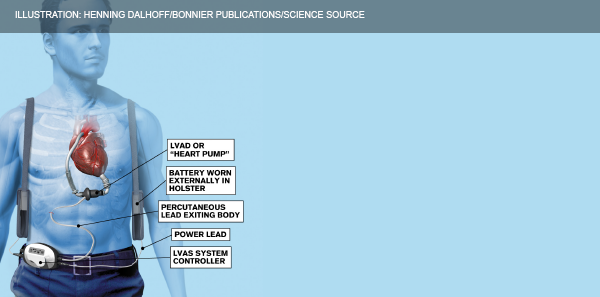
In previous decades, the therapies for congestive heart failure (CHF) were limited both with respect to options…

Read More

ZIO XT Patch Cardiac Monitoring Device May Be Good Option for Evaluating Possible Dysrhythmias

June 10, 2014 - Amal Mattu, MD, FACEP - 5 Comments

I recently cared for a 35-year-old woman who presented to the emergency department for evaluation of palpitations….

Read More

Wiley
  • Home
  • About Us
  • Contact Us
  • Privacy
  • Terms of Use
  • Advertise
  • Cookie Preferences
Copyright © 2025 by John Wiley & Sons, Inc. All rights reserved, including rights for text and data mining and training of artificial technologies or similar technologies. ISSN 2333-2603