Logo

Log In Sign Up |  An official publication of: American College of Emergency Physicians
Navigation
  • Home
  • Multimedia
    • Podcasts
    • Videos
  • Clinical
    • Airway Managment
    • Case Reports
    • Critical Care
    • Guidelines
    • Imaging & Ultrasound
    • Pain & Palliative Care
    • Pediatrics
    • Resuscitation
    • Trauma & Injury
  • Resource Centers
    • mTBI Resource Center
  • Career
    • Practice Management
      • Benchmarking
      • Reimbursement & Coding
      • Care Team
      • Legal
      • Operations
      • Quality & Safety
    • Awards
    • Certification
    • Compensation
    • Early Career
    • Education
    • Leadership
    • Profiles
    • Retirement
    • Work-Life Balance
  • Columns
    • ACEP4U
    • Airway
    • Benchmarking
    • Brief19
    • By the Numbers
    • Coding Wizard
    • EM Cases
    • End of the Rainbow
    • Equity Equation
    • FACEPs in the Crowd
    • Forensic Facts
    • From the College
    • Images in EM
    • Kids Korner
    • Medicolegal Mind
    • Opinion
      • Break Room
      • New Spin
      • Pro-Con
    • Pearls From EM Literature
    • Policy Rx
    • Practice Changers
    • Problem Solvers
    • Residency Spotlight
    • Resident Voice
    • Skeptics’ Guide to Emergency Medicine
    • Sound Advice
    • Special OPs
    • Toxicology Q&A
    • WorldTravelERs
  • Resources
    • ACEP.org
    • ACEP Knowledge Quiz
    • Issue Archives
    • CME Now
    • Annual Scientific Assembly
      • ACEP14
      • ACEP15
      • ACEP16
      • ACEP17
      • ACEP18
      • ACEP19
    • Annals of Emergency Medicine
    • JACEP Open
    • Emergency Medicine Foundation
  • About
    • Our Mission
    • Medical Editor in Chief
    • Editorial Advisory Board
    • Awards
    • Authors
    • Article Submission
    • Contact Us
    • Advertise
    • Subscribe
    • Privacy Policy
    • Copyright Information

Atrial Fibrillation

  • Is Dual-Shock Approach Dangerous to Defibrillators?

    Having just read [“All Charged Up & No Place To Go,” July 2017], and being the chair...
  • Episodes of Atrial Tachyarrhythmias Detected by Cardiac Rhythm Devices Appear Benign

    NEW YORK (Reuters Health) – Brief episodes of atrial tachyarrhythmia detected by cardiac rhythm management devices were...
  • Tuesday Product and Service Showcases at ACEP16

    ACEP is proud to bring you the newly revamped Product and Service Showcases. These educational and product-oriented...

Is Dual-Shock Approach Dangerous to Defibrillators?

September 18, 2017 - Michael S. Smith, MD, FACEP - 0 Comment

Having just read [“All Charged Up & No Place To Go,” July 2017], and being the chair…

Read More

Episodes of Atrial Tachyarrhythmias Detected by Cardiac Rhythm Devices Appear Benign

November 8, 2016 - Will Boggs MD - 1 Comment

NEW YORK (Reuters Health) – Brief episodes of atrial tachyarrhythmia detected by cardiac rhythm management devices were…

Read More

Tuesday Product and Service Showcases at ACEP16

October 17, 2016 - ACEP Now - 0 Comment

ACEP is proud to bring you the newly revamped Product and Service Showcases. These educational and product-oriented…

Read More

Restarting Antithrombotics After Gastrointestinal Bleeding Tied to Better Outcomes

February 11, 2016 - Will Boggs, MD (Reuters Health) - 0 Comment

Patients with atrial fibrillation (AF) who restart antithrombotic therapy after an episode of gastrointestinal bleeding fare better…
Read More

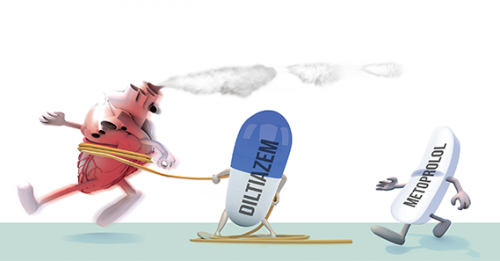
Diltiazem Achieves More Rapid Rate Control in Atrial Fibrillation than Metoprolol

January 15, 2016 - Ken Milne, MD - 2 Comments

Case: A 49-year-old man with no past medical history presents to the ED with palpitations for five…

Read More

ACEP15 Session: Treatment Update for Atrial Fibrillation

October 26, 2015 - Vanessa Caceres - 0 Comment

Atrial fibrillation is the number-one sustained cardiac arrhythmia—do you know how to properly treat someone with this…

Read More

Atrial Fib in the ED: Assessing Stroke Risk

December 1, 2013 - Jesse M. Pines, M.D., ACEP News Contributing Writer - 0 Comment

Atrial fibrillation (afib) is the most commonly diagnosed arrhythmia, affecting 2.7 million in the United States. Afib…

Read More
  • 1
  • 2

Wiley
  • Home
  • About Us
  • Contact Us
  • Privacy
  • Terms of Use
  • Advertise
  • Cookie Preferences
Copyright © 2025 by John Wiley & Sons, Inc. All rights reserved, including rights for text and data mining and training of artificial technologies or similar technologies. ISSN 2333-2603