Logo

Log In Sign Up |  An official publication of: American College of Emergency Physicians
Navigation
  • Home
  • Multimedia
    • Podcasts
    • Videos
  • Clinical
    • Airway Managment
    • Case Reports
    • Critical Care
    • Guidelines
    • Imaging & Ultrasound
    • Pain & Palliative Care
    • Pediatrics
    • Resuscitation
    • Trauma & Injury
  • Resource Centers
    • mTBI Resource Center
  • Career
    • Practice Management
      • Benchmarking
      • Reimbursement & Coding
      • Care Team
      • Legal
      • Operations
      • Quality & Safety
    • Awards
    • Certification
    • Compensation
    • Early Career
    • Education
    • Leadership
    • Profiles
    • Retirement
    • Work-Life Balance
  • Columns
    • ACEP4U
    • Airway
    • Benchmarking
    • Brief19
    • By the Numbers
    • Coding Wizard
    • EM Cases
    • End of the Rainbow
    • Equity Equation
    • FACEPs in the Crowd
    • Forensic Facts
    • From the College
    • Images in EM
    • Kids Korner
    • Medicolegal Mind
    • Opinion
      • Break Room
      • New Spin
      • Pro-Con
    • Pearls From EM Literature
    • Policy Rx
    • Practice Changers
    • Problem Solvers
    • Residency Spotlight
    • Resident Voice
    • Skeptics’ Guide to Emergency Medicine
    • Sound Advice
    • Special OPs
    • Toxicology Q&A
    • WorldTravelERs
  • Resources
    • ACEP.org
    • ACEP Knowledge Quiz
    • Issue Archives
    • CME Now
    • Annual Scientific Assembly
      • ACEP14
      • ACEP15
      • ACEP16
      • ACEP17
      • ACEP18
      • ACEP19
    • Annals of Emergency Medicine
    • JACEP Open
    • Emergency Medicine Foundation
  • About
    • Our Mission
    • Medical Editor in Chief
    • Editorial Advisory Board
    • Awards
    • Authors
    • Article Submission
    • Contact Us
    • Advertise
    • Subscribe
    • Privacy Policy
    • Copyright Information

Zika Virus Transmission, Testing, and Treatment Information You Need to Know

By David E. Hogan, DO, MPH, FACEP | on April 12, 2016 | 1 Comment
Features
  • Tweet
  • Click to email a link to a friend (Opens in new window) Email
Print-Friendly Version
Zika Virus Transmission, Testing, and Treatment Information You Need to Know
© SHUTTERSTOCK.COM

We just learned lessons about our preparedness (or lack thereof) in detecting and managing one virus in the form of Ebola, and now we have another? Now it seems, along with everything else, emergency physicians must function as frontline epidemiologists, identifying potentially dangerous infections. Welcome to the new millennium of emergency medicine.

You Might Also Like
  • Novel Assay Detects Zika Virus in Less Than 15 Minutes
  • Quest Diagnostics Says Its Zika Virus Test Gets U.S. Approval
  • ICD-10 Diagnosis Codes to Use for Zika Virus Documentation
Explore This Issue
ACEP Now: Vol 35 – No 04 – April 2016

Zika Basics

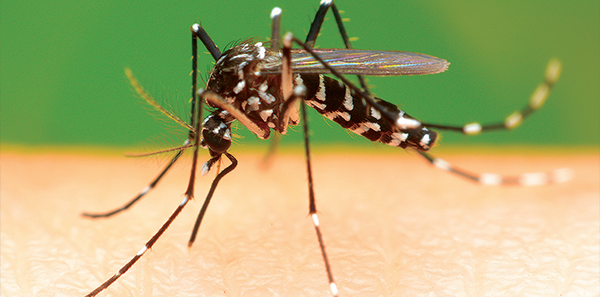
Zika virus, a flavivirus transmitted mainly by mosquitos, is another in a line of emerging infectious diseases (EIDs) making new or return appearances in the United States. Zika can also be spread sexually (although the ease of transmission is not known) and through blood transfusions (a particular problem in outbreak areas). Most areas of South America, Central America, and Mexico are currently experiencing the largest known outbreak of Zika viral infection. To date, more than 150 cases of Zika have been detected in the continental United States. Current data suggest that at least nine of these cases (5.8 percent) are in pregnant women. All of these have been travel related in people returning from outbreak areas. About 107 endemic (locally transmitted) cases acquired by mosquito bites have been reported in Puerto Rico and the US Virgin Islands. In outbreak areas, the proportion of the population infected varies from 70 percent to 1.2 percent based on multiple factors. The vector mosquitos required to transmit Zika are already endemic in the South, Midwest, and Eastern United States. The World Health Organization predicts that Zika will likely be endemic in most of the United States within two years.

Zika is related to dengue, Chikungunya, yellow fever, Japanese encephalitis, and tickborne encephalitis. It usually causes a mild disease resulting in only rare hospitalizations or deaths. However, during the current outbreak, some very astute physicians in Brazil noted a sharp increase in the number of births with severe microencephaly.

The symptoms of Zika include macular or papular rash (90 percent), subjective fever (65 percent), arthralgia (65 percent), conjunctivitis (55 percent), myalgia (48 percent), cephalgia (45 percent), retro-orbital pain (39 percent), dependent edema (19 percent), and vomiting (10 percent). The presence of conjunctivitis and absence of hemorrhage are the most useful clinical indicators in differentiating Zika from dengue and Chikungunya infections (see Table 1). Zika causes minimal disease, with only one in five infected people developing symptoms. Other viral diseases such as dengue and yellow fever are also moving into the United States and are of much greater clinical concern, except for the question of pregnancy.

Pages: 1 2 3 | Single Page

Topics: Bites and EnvenomationDiagnosisEmergency DepartmentEmergency MedicineEmergency PhysicianInfectious DiseaseMosquitoPublic HealthtransmissionTreatmentZika

Related

  • Opinion: Physicians Must Reduce Plastic Waste

    December 4, 2025 - 0 Comment
  • October 2025 News from the College

    September 23, 2025 - 0 Comment
  • Emergency Physicians Advocate Addressing Climate Change To Improve Public Health

    August 18, 2025 - 0 Comment

Current Issue

ACEP Now: November 2025

Download PDF

Read More

One Response to “Zika Virus Transmission, Testing, and Treatment Information You Need to Know”

  1. May 8, 2016

    David Morgan Reply

    Excellent update.

Leave a Reply Cancel Reply

Your email address will not be published. Required fields are marked *


*
*


Wiley
  • Home
  • About Us
  • Contact Us
  • Privacy
  • Terms of Use
  • Advertise
  • Cookie Preferences
Copyright © 2025 by John Wiley & Sons, Inc. All rights reserved, including rights for text and data mining and training of artificial technologies or similar technologies. ISSN 2333-2603
