
Guidelines recommend assessment of visio-vestibular symptoms and patient education by physicians because referral for interventions may mitigate the risk for adverse outcomes.18,20-23 Findings from a VVE may also assist customizing return-to-activity guidance to a patient’s symptoms. For example, abnormal findings during an exam of horizontal saccades may result in challenges with reading, whereas abnormal findings on vertical saccades may mean that a child may have difficulty reviewing information on a whiteboard and taking notes. Simple accommodations, such as getting additional time to read and access to take-home notes, may make all the difference for children returning to school with a concussion.
Explore This Issue
ACEP Now: October 2025 (Digital)For more information, including a step-by-step detailed instruction on how to perform each VVE element, check out CHOP’s Acute Head Trauma Pathway and the Minds Matter website.
The Brain Injury Association of America also offers training for health professionals on brain injury care through professional certifications, exceptional education, and innovative research initiatives. Learn more.
 Ms. Sarmiento is Director of Outreach Programs at the Brain Injury Association of America.
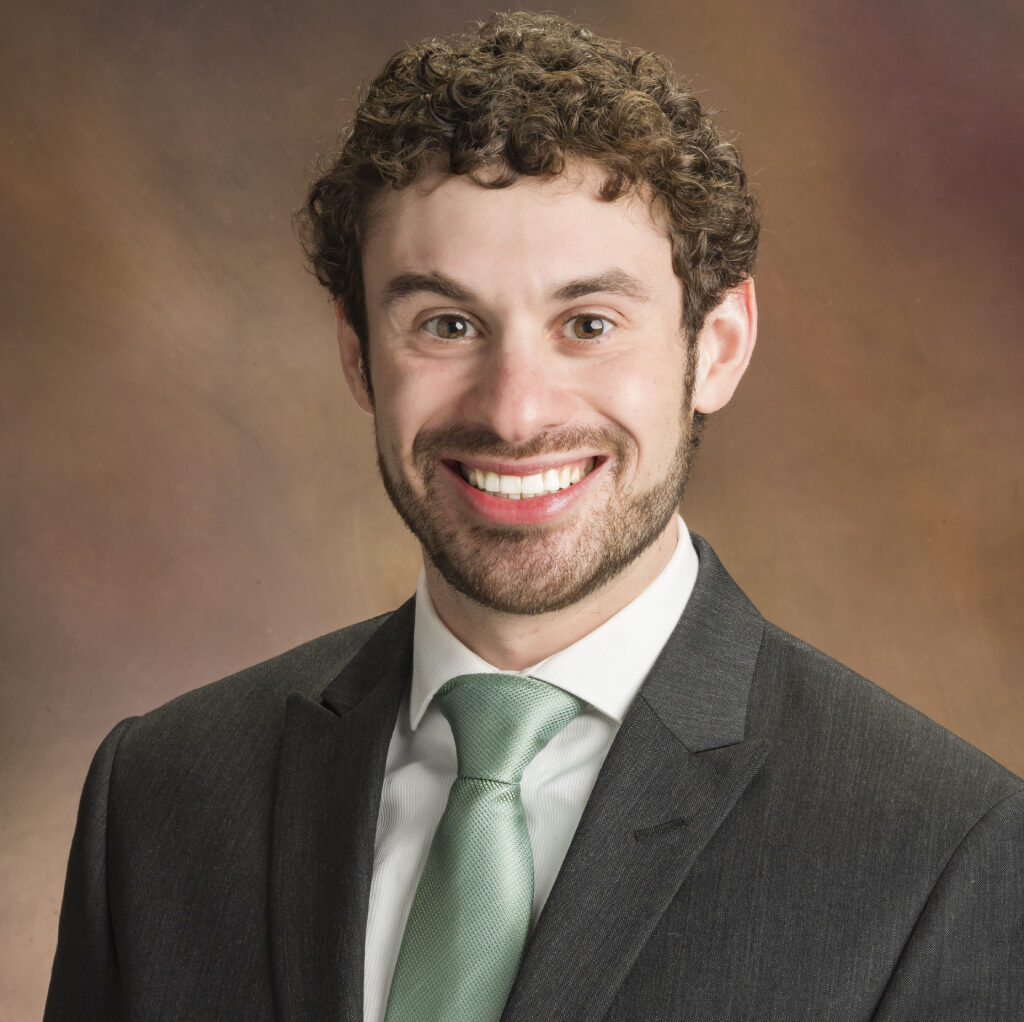 Dr. Corwin is an attending physician and director of clinical and translational research in the Division of Emergency Medicine, and associate director and Emergency Department lead of the Minds Matter Concussion Program at Children’s Hospital of Philadelphia.
 Dr. Master is a pediatrician and sports medicine specialist at Children’s Hospital of Philadelphia with expertise in primary care sports medicine and brain injury medicine.
References
- Mannix R, Bachur R. Diagnosis of concussion in the pediatric emergency department. Semin Pediatr Neurol 2019;30:35-39.
- Master CL, Master SR, Wiebe DJ, et al. Vision and vestibular system dysfunction predicts prolonged concussion recovery in children. Clin J Sport Med 2018;28(2):139-145.
- Corwin DJ, Propert KJ, Zorc JJ, et al. Use of the vestibular and oculomotor examination for concussion in a pediatric emergency department. Am J Emerg Med 2019;37(7):1219-1223.
- Corwin DJ, Arbogast KB, Swann C, et al. Reliability of the visio-vestibular examination for concussion among providers in a pediatric emergency department. Am J Emerg Med 2020;38(9):1847-1853.
- Roby PR, Metzger KB, McDonald CC, et al. Pre- and post-season visio-vestibular function in healthy adolescent athletes. Phys Sportsmed 2022;50(6):522-530.
- Corwin DJ, McDonald CC, Arbogast KB, et al. Visio-vestibular deficits in healthy child and adolescent athletes. Clin J Sport Med 2022;32(4):376-384.
- Corwin DJ, Arbogast KB, Haber RA, et al. Characteristics and outcomes for delayed diagnosis of concussion in pediatric patients presenting to the emergency department. J Emerg Med 2020;59(6):795-804.
- Gowrisankaran S, Shah AS, Roberts TL, et al. Association between post-concussion symptoms and oculomotor deficits among adolescents. Brain Inj 2021;35(10):1218-1228.
- Lau BC, Kontos AP, Collins MW, et al. Which on-field signs/symptoms predict protracted recovery from sport-related concussion among high school football players? Am J Sports Med 2011;39(11):2311-2318.
- Wiecek EK, Roberts TL, Shah AS, Raghuram A. Vergence, accommodation, and visual tracking in children and adolescents evaluated in a multidisciplinary concussion clinic. Vision Res 2021;184:30-36.
- Mucha A, Fedor S, DeMarco D. Vestibular dysfunction and concussion. Handb Clin Neurol 2018;158:135-144.
- Elbin RJ, Schatz P, Lowder HB, Kontos AP. An empirical review of treatment and rehabilitation approaches used in the acute, sub-acute, and chronic phases of recovery following sports-related concussion. Curr Treat Options Neurol 2014;16(11):320.
- Kontos AP, Deitrick JM, Collins MW, Mucha A. Review of vestibular and oculomotor screening and concussion rehabilitation. J Athl Train 2017;52(3):256-261.
- Arbogast KB, Ghosh RP, Corwin DJ, et al. Trajectories of visual and vestibular markers of youth concussion. J Neurotrauma 2022;39(19-20):1382-1390.
- Swanson MW, Weise KK, Dreer LE, et al. Academic difficulty and vision symptoms in children with concussion. Optom Vis Sci 2017;94(1):60-67.
- Smulligan KL, Carry P, Smith AC, et al. Cervical spine proprioception and vestibular/oculomotor function: an observational study comparing young adults with and without a concussion history. Phys Ther Sport 2024;69:33-39.
- Corwin DJ, Wiebe DJ, Zonfrillo MR, et al. Vestibular deficits following youth concussion. J Pediatr 2015;166(5):1221-1225.
- Ellis MJ, Leddy JJ, Willer B. Physiological, vestibulo-ocular and cervicogenic post-concussion disorders: an evidence-based classification system with directions for treatment. Brain Inj 2015;29(2):238-248.
- Karl M, Fedonni D, Master CL, et al. Factors influencing length of care in physical therapy after pediatric and adolescent concussion. J Sport Rehabil 2025;34(3):328-334.
- Lumba-Brown A, Yeates KO, Sarmiento K, et al. Centers for Disease Control and Prevention guideline on the diagnosis and management of mild traumatic brain injury among children. JAMA Pediatr 2018;172(11):e182853.
- Alsalaheen BA, Mucha A, Morris LO, et al. Vestibular rehabilitation for dizziness and balance disorders after concussion. J Neurol Phys Ther 2010;34(2):87-93.
- Alsalaheen BA, Whitney SL, Mucha A, et al. Exercise prescription patterns in patients treated with vestibular rehabilitation after concussion. Physiother Res Int 2013;18(2):100-108.
- Schneider KJ, Meeuwisse WH, Nettel-Aguirre A, et al. Cervicovestibular rehabilitation in sport-related concussion: a randomised controlled trial. Br J Sports Med 2014;48(17):1294-1298.
Pages: 1 2 3 | Single Page



No Responses to “What Can a Patient’s Eyes Tell Us About Concussions?”