
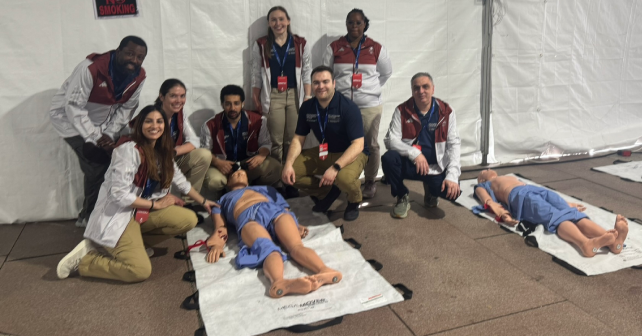
Among the disaster medicine fellows, Ahmad Alshadad, MBChB, and I have focused on creating effective training protocols tailored to the unique environment of marathon medical tents. Together, we have created video-based training material that will be freely accessible to all medical volunteers at the marathon and have also run a simulation on proper tourniquet placement and wound-packing prior to the marathon. The rest of the disaster medicine fellows—Amit Boukai, MD, MPH; Lindsay Davis, DO, MPH; Almas Malik, MD; Anany Prosper, MD, MPH; Bharat Raju, MD, MEM; Jonathan Shecter, DO, MPH; Ayanna Whittington, MBBS, MPH, DMEM—assisted with data collection, training implementation, and analysis, with fellowship co-director Amalia Voskanyan, RN, and education director Fadi Issa, MD, JBEM, EMDM, providing guidance.
Explore This Issue
ACEP Now: October 2025 (Digital)Brad Newbury, MPA, NRP, president of the National Medical Education & Training Center (which provided training support for the project) added, “Creating realistic simulation scenarios is vital for effective training. Our aim is to help medical volunteers build muscle memory for these critical skills in a controlled environment.”
Data collected will inform best practices for future events, potentially transforming how mass gatherings approach emergency preparedness. A grant from the Boston Athletic Association helped support this work, and without their funding, the implementation of the trauma kits along the marathon route would not be possible.
With continued incidents of violence at public events globally, this research will provide timely insights into how medical response can be optimized to protect and preserve lives during unexpected tragedies.
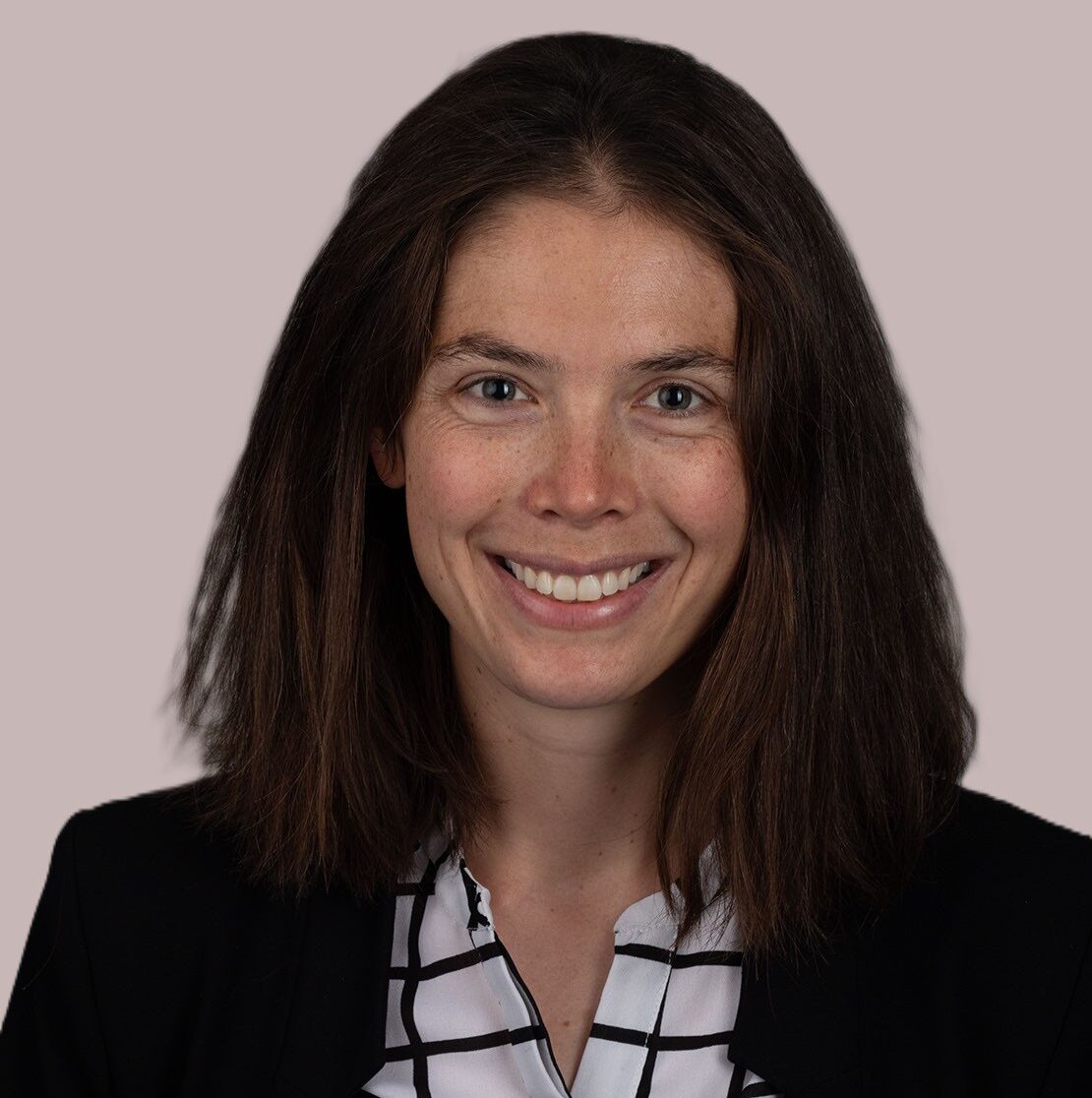 Dr. Görgens is an emergency physician at Yale University. She completed a fellowship in emergency medical services with the Fire Department of New York City and Northwell as well as a disaster medicine fellowship with Beth Israel Deaconess Medical Center and Harvard University.
References
- Turris S, Rabb H, Munn MB, et al. Measuring the masses: the current state of mass-gathering medical case reporting (paper 1). Prehosp Disaster Med. 2021;36(2):202-210.
- Schwartz B, Nafziger S, Milsten A, et al. Mass gathering medical care: resource document for the National Association of EMS Physicians Position Statement. Prehosp Emerg Care. 2015;19(4):559-568.
- Gates JD, Arabian S, Biddinger P, et al. The initial response to the Boston Marathon bombing: lessons learned to prepare for the next disaster. Ann Surg. 2014;260(6):960.
- Lake CK. A day like no other: the Las Vegas mass shooting lessons from America’s largest mass casualty event. Trauma Surg Acute Care Open. 2025;10(Suppl 1):e001786.
- FBI Statement on the Attack in New Orleans — FBI. FBI National Press Office. https://www.fbi.gov/news/press-releases/fbi-statement-on-the-attack-in-new-orleans. Published January 1, 2025. Accessed June 8, 2025.
- Wren SM, Wild HB, Gurney J, et al. A consensus framework for the humanitarian surgical response to armed conflict in 21st century warfare. JAMA Surg. 2020;155(2):114-121.
- Garber K, Kushner AL, Wren SM, et al. Applying trauma systems concepts to humanitarian battlefield care: a qualitative analysis of the Mosul trauma pathway. Confl Health. 2020;14:5.
- ACS Stop the Bleed | Stop the Bleed. The American College of Surgeons. https://www.stopthebleed.org/. Accessed June 8, 2025.
- Tang X, Nie Y, Wu S, et al. Effectiveness of “Stop the Bleed” courses: a systematic review and meta-analysis. J Surg Educ. 2023;80(3):407-419.
Pages: 1 2 3 4 | Single Page



No Responses to “Trauma First Aid at the 2025 Boston Marathon”