Logo

Log In Sign Up |  An official publication of: American College of Emergency Physicians
Navigation
  • Home
  • Multimedia
    • Podcasts
    • Videos
  • Clinical
    • Airway Managment
    • Case Reports
    • Critical Care
    • Guidelines
    • Imaging & Ultrasound
    • Pain & Palliative Care
    • Pediatrics
    • Resuscitation
    • Trauma & Injury
  • Resource Centers
    • mTBI Resource Center
  • Career
    • Practice Management
      • Benchmarking
      • Reimbursement & Coding
      • Care Team
      • Legal
      • Operations
      • Quality & Safety
    • Awards
    • Certification
    • Compensation
    • Early Career
    • Education
    • Leadership
    • Profiles
    • Retirement
    • Work-Life Balance
  • Columns
    • ACEP4U
    • Airway
    • Benchmarking
    • Brief19
    • By the Numbers
    • Coding Wizard
    • EM Cases
    • End of the Rainbow
    • Equity Equation
    • FACEPs in the Crowd
    • Forensic Facts
    • From the College
    • Images in EM
    • Kids Korner
    • Medicolegal Mind
    • Opinion
      • Break Room
      • New Spin
      • Pro-Con
    • Pearls From EM Literature
    • Policy Rx
    • Practice Changers
    • Problem Solvers
    • Residency Spotlight
    • Resident Voice
    • Skeptics’ Guide to Emergency Medicine
    • Sound Advice
    • Special OPs
    • Toxicology Q&A
    • WorldTravelERs
  • Resources
    • ACEP.org
    • ACEP Knowledge Quiz
    • Issue Archives
    • CME Now
    • Annual Scientific Assembly
      • ACEP14
      • ACEP15
      • ACEP16
      • ACEP17
      • ACEP18
      • ACEP19
    • Annals of Emergency Medicine
    • JACEP Open
    • Emergency Medicine Foundation
  • About
    • Our Mission
    • Medical Editor in Chief
    • Editorial Advisory Board
    • Awards
    • Authors
    • Article Submission
    • Contact Us
    • Advertise
    • Subscribe
    • Privacy Policy
    • Copyright Information

Toxicology Answer: The Fig Tree

By Jason Hack, MD | on June 7, 2023 | 0 Comment
Toxicology Q&A
  • Tweet
  • Click to email a link to a friend (Opens in new window) Email
Print-Friendly Version

Background

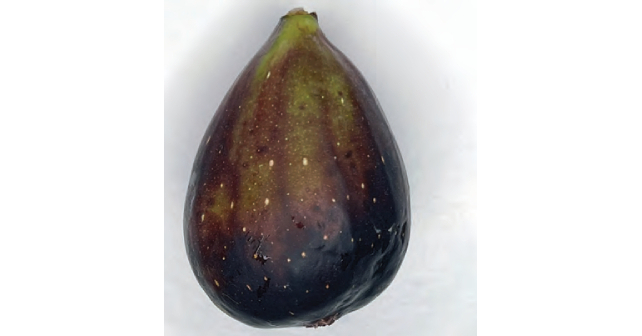
My favorite part of the fig plant (Ficus carica L.) is the fruit, of course. These sweet, refreshing waterdrop-shaped packages of goodness are exactly what I need some days to keep going. So much so, that in every home I’ve owned, I’ve planted a fig tree; enjoying the fruit of my labors while acknowledging the link this plant has with humans and culture over time.

You Might Also Like
  • Toxicology Answer: What Are the Side Effects of Chewing This Beautiful Bloom?
  • Toxicology Answer: What Flower Did the Greek Army Use Against a City?
  • Toxicology Answer: What toxin makes this pretty plant one to watch for—and avoid?
Explore This Issue
ACEP Now: Vol 42 – No 06 – June 2023

History

The fig (Ficus carica) is part of the mulberry family. It was among the first plants deliberately bred as a food source more than 11,000 years ago—predating cultivated grains by a thousand years.1

The fig features prominently in art, history, and theology, tightly wrapped within human experience. It is used symbolically to represent various human attributes including abundance, prosperity, fertility, wisdom, and strength. Being native and abundant in the Middle East, Asia, and the Mediterranean, it figures prominently in historical writings—Emperor Tiberius describes supporting a thriving fig trade; Theophrastus, Pliny, and Cato often discussed them; and they were mentioned in the Old Testament and the Koran, and described frequently in ancient Greek. In Homer’s Odyssey, Tantalus reached out for figs in his agony; Venus and also Adam and Eve covered up with fig leaves; the goddess Isis is described teaching humans how to eat figs; and more recently D. H. Lawrence, in “Figs,” described how to eat one in Proper society.

Description of the Plant

The fig tree is a deciduous, multi-trunk tree with smooth, gray, finely coarse bark that grows 15 to 30 feet high with a low canopy of green. There are many varieties of the fig tree, but most common are Black Mission and Brown Turkey. The trees are native to Southeast Asia and Eastern Mediterranean areas, where they grow in rocky and shrubby areas. In the U.S. it is grown commercially in the West and South—California, Texas, Oregon, and Washington.
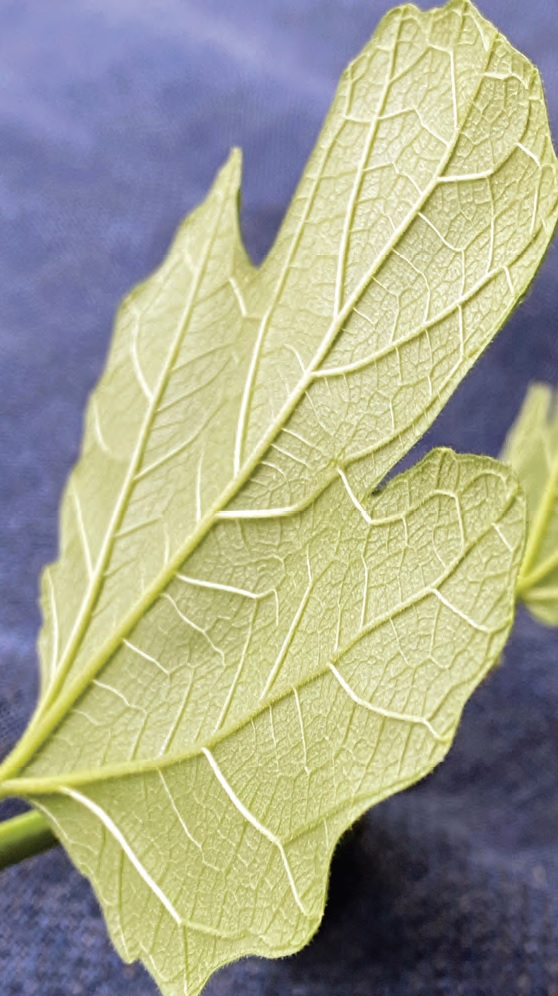
FIGURE 1: The fuzzy surfaces (the indumentum) are coarse on the upper surface and soft on the underside. (Click to enlarge.)

The leaves are easily identified: toothed and deeply lobed with symmetrical sinuses. The fuzzy surfaces (the indumentum) are coarse on the upper surface and soft on the underside (see Figure 1).

They also have a “fig plant” smell that you either love or hate.

Once mature (four to five years) the tree produces one or two fig crops of brown-purplish fruit a year—often only one of them is deliciously edible.

Pages: 1 2 3 | Single Page

Topics: PoisonToxin

Related

  • Toxicology Answer: Oil of Wintergreen

    October 28, 2025 - 0 Comment
  • Toxicology Question: What Minty Plant Oil Can Cause Poisoning and Death in Children?

    October 28, 2025 - 0 Comment
  • Toxin-Induced Hypotension Treatment Tips

    July 3, 2025 - 0 Comment

Current Issue

ACEP Now: November 2025

Download PDF

Read More

No Responses to “Toxicology Answer: The Fig Tree”

Leave a Reply Cancel Reply

Your email address will not be published. Required fields are marked *


*
*


Wiley
  • Home
  • About Us
  • Contact Us
  • Privacy
  • Terms of Use
  • Advertise
  • Cookie Preferences
Copyright © 2025 by John Wiley & Sons, Inc. All rights reserved, including rights for text and data mining and training of artificial technologies or similar technologies. ISSN 2333-2603
