
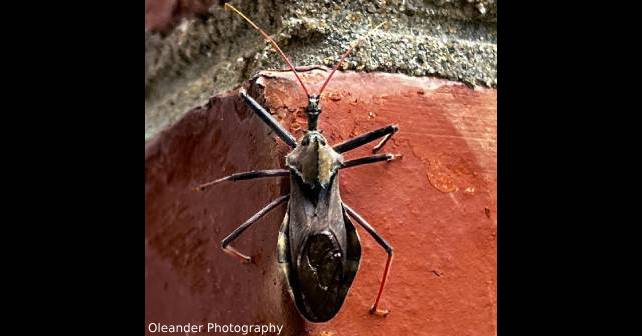
See original question here.
Explore This Issue
ACEP Now: July 2025ANSWER: Assassin Bugs
Assassin bugs might also be known as ambush bugs, wheel bugs, or North American wheel bugs.
The milkweed assassin bug (Zelus longipes; see Image 1) and the wheel bug (Arilus cristatus; see Image 2) are two types of assassin bugs you might find in your garden across North America. They are “true bug” members of the Hemiptera, because they have liquid sucking mouth parts, have a nymph stage in their development, and have six legs and three body parts. They are two of the 160 types of the Reduviidae family of insects found worldwide.
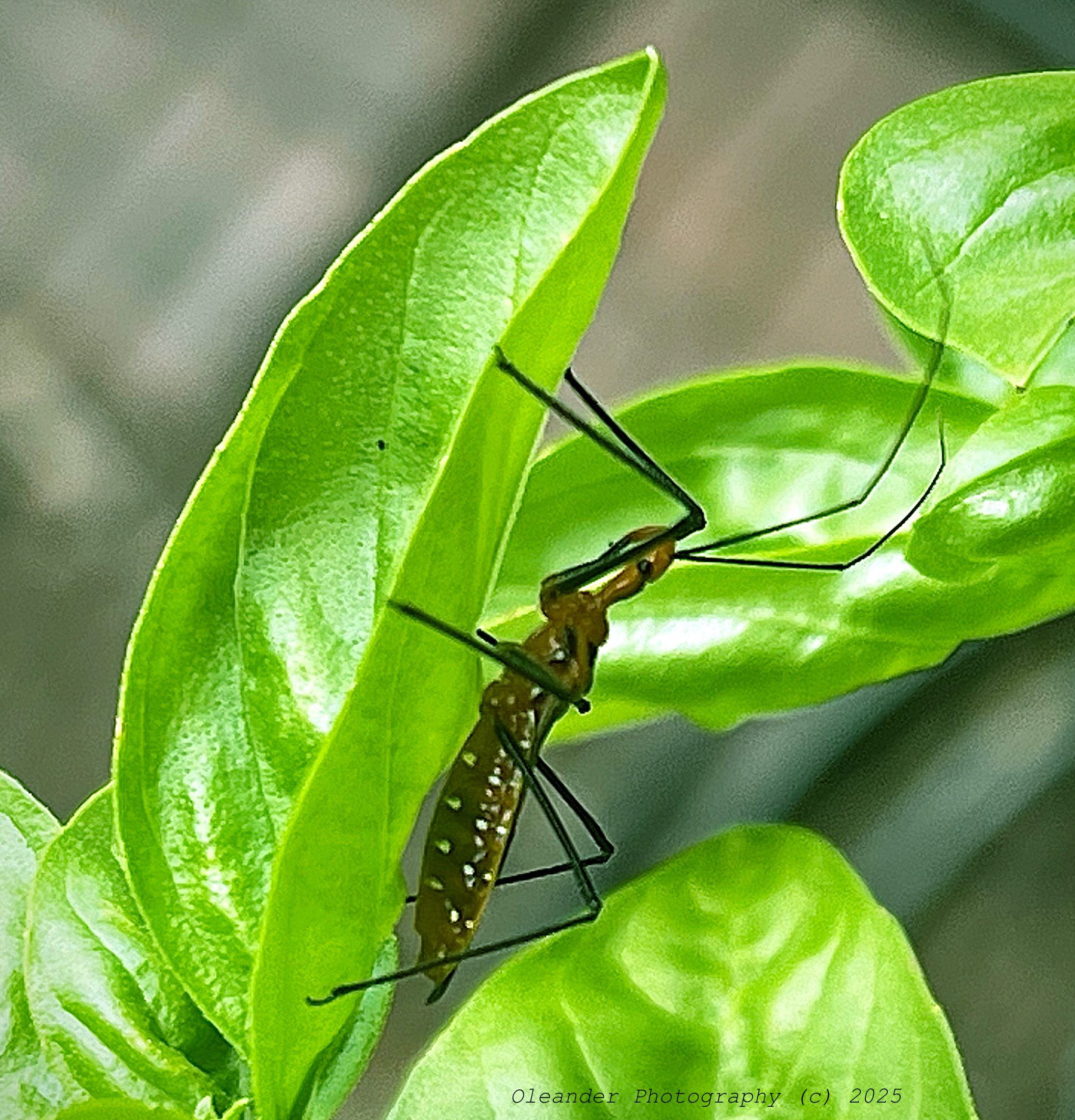
Image 1: The milkweed assassin bug (Zelus
longipes). (Click to enlarge.)
These two types (and others like them) are primarily beneficial bugs to agriculture, eating insects that cause harm to crops—including flies, mosquitos, roaches, beetles, aphids, armyworms, and caterpillars.
They aggressively eat these insects by grabbing them and using their rostrum (a three-jointed spear-like hollow mouth) to stab into prey, even when covered in “armor.” They inject a venom mixture containing a paralytic, which immobilizes prey in about 30 seconds and liquifies their insides. The bugs begin digestion of the prey’s internal nutrient-containing structures, which they suck out though their mouth-straw.
Identifying Common Assassin Bugs
Adult wheel bugs are usually 33-38 mm long, grey colored, have segmented antennae sprouting from a narrow head, and have a distinctive cog-wheel shaped armor on the dorsum of its prothorax with eight to 14 projections— hence “wheel bug.”1 The wheel bug also has bright orange scent-sacs on its posterior thorax that can release a pungent scented liquid when disturbed.2
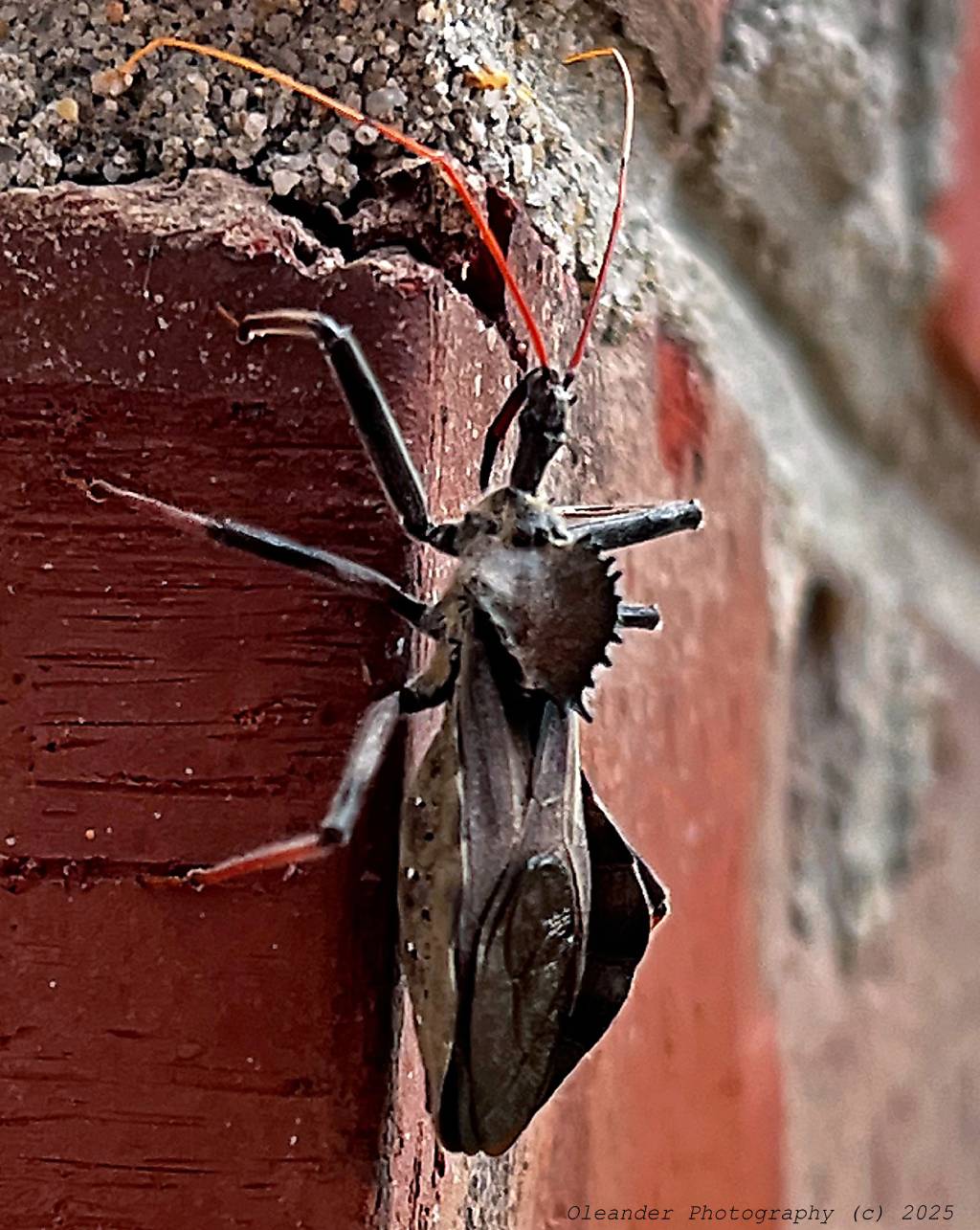
Image 2: The wheel bug (Arilus cristatus). (Click to enlarge.)
Adult milkweed assassin bugs—also called the long-legged assassin bug or the Zelus assassin bug—are 16-18 mm in length, have orange coloration with white spots on the thorax, long segmented antennae extending from a narrow head, and have a business-end sharp rostrum designed for stabbing.
Another subfamily of assassin bugs are “kissing bugs” (triatomine). In contrast to the previously described garden-group of assassin bugs, these are blood-feeding, have much smaller rostrums, and eat through an essentially painless poke. They bite people’s faces at night without waking them up. While they are drinking blood, the insect produces stool that is infected and full of the protozoan parasite Trypanosoma cruzi. This pathogen gets rubbed into the itchy wound producing Chagas disease in the victim.
Pages: 1 2 3 | Single Page



One Response to “Toxicology Answer: the Assassin Bug”
November 25, 2025
JohnI’ve been hit 3 times by an assiassin bug. Once was a positive ID because I saw it sitting on my finger before the bite.
Far worse pain than honey bees (I used to raise them), yellow jackets, or red wasps. Plus the AB sting hurts intensely for days whereas the others for maybe a couple of hours.
One “sting” has resulted in a continuing red spot now more than 4 years later. I guess I should call a tattoo at this point.
Thanks for a good article.