
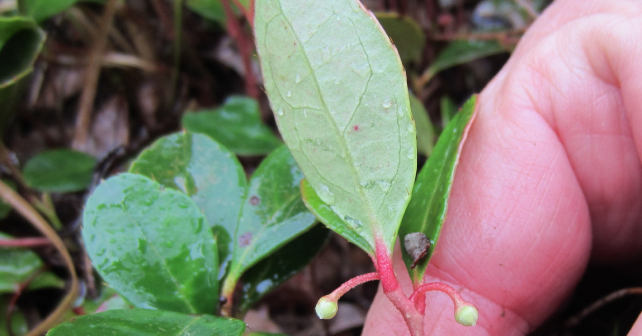
See the original question here.
Explore This Issue
ACEP Now: November 2025Wintergreen plants are the source for oil of Wintergreen, which contains methyl salicylate (C8H8O3), an extremely versatile substance with beneficial, commercial, and toxicologic properties that humans have been using for more than 100 years.
Methyl salicylate (MS) is a natural organic ester that can be extracted from select plants including Gaultheria procumbens L. (American wintergreen, teaberry). This is a low-growing evergreen native to North America recognized by its shiny, oval, dark green leaves. It has a strong, minty smell when crushed. The plant has white berries that turn bright red as they mature and reportedly have a tart taste.
Other natural sources of MS are Gaultheria fragrantissima (fragrant wintergreen found in Asia) and Betula lenta L. (Sweet birch, Black birch) .1The molecule is thought to be used by plants to signal to others that herbivorous insects are present 2. More commonly, MS is chemically synthesized for larger-volume home or commercial use.
Properties
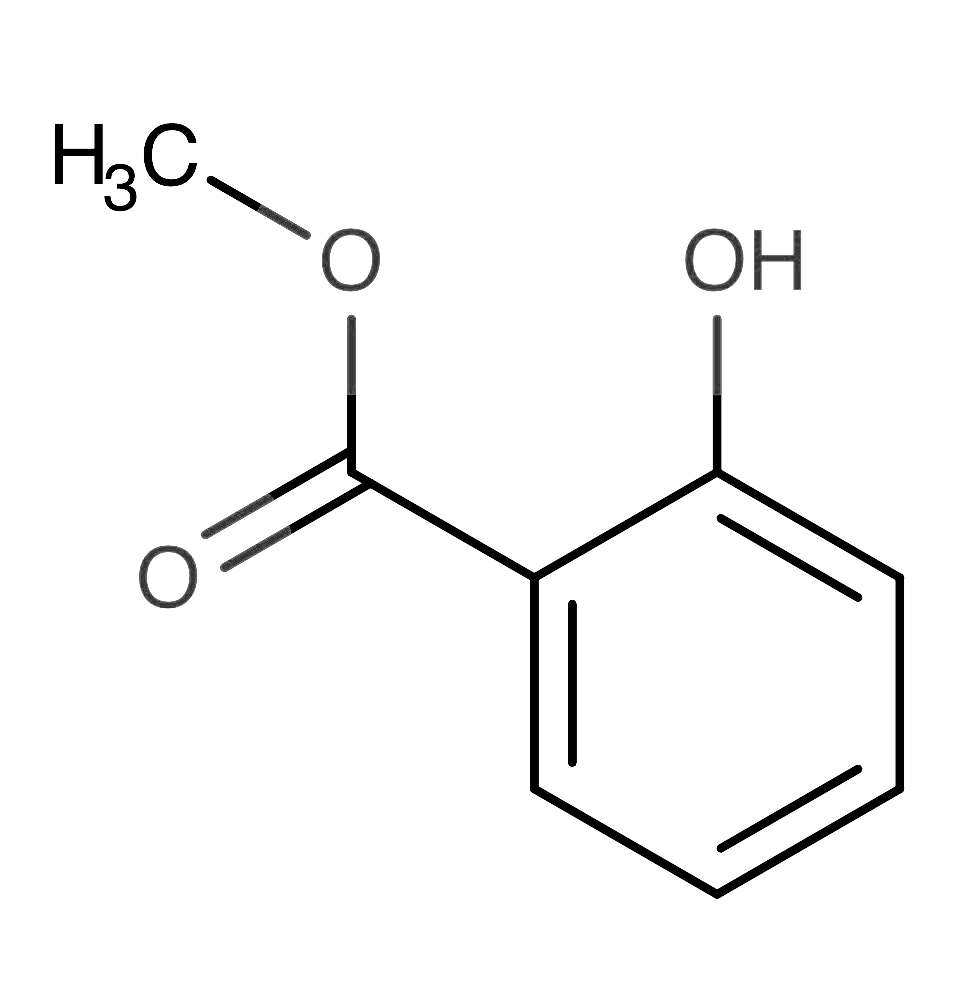
Methyl salicylate is a natural organic ester that can be extracted from select plants, such as the Gaultheria procumbens L.
Its most notable attribute is a remarkable smell. Wintergreen has a distinct aroma that has been described as “refreshingly minty” with notes of sweet and spicy and also has been described as “a fresh, cool breeze.” Because of this, it is used to enrich food flavors and to add attractive scents for confections, candies, chewing gum, cosmetics (e.g., toothpaste and mouthwash), and perfumes.
Wintergreen’s MS content is structurally related to aspirin. Traditionally, the leaves and bark have been used to make teas or infusions to treat rheumatism, fever, and gastrointestinal illnesses because of their carminative properties (relieves flatulence); and topically for burns, wounds, and bruises.3 Commercially, and in the modern apothecary, it is used for its anti-inflammatory, antiseptic, and scent properties to treat joint, ligament, and soft tissue pain.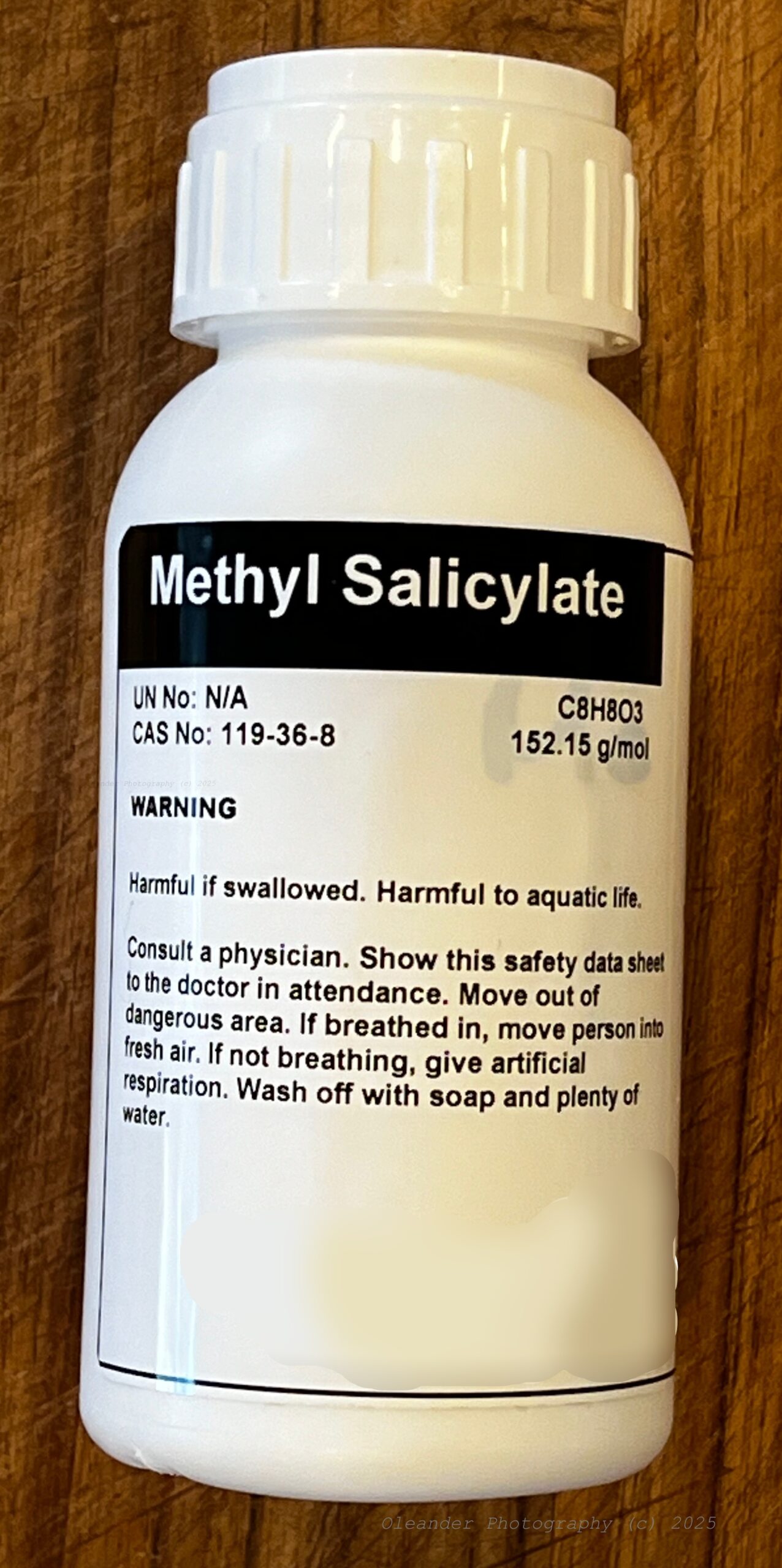
Absorption and Mechanism of Action
Ten to 20 percent of MS is absorbed through the skin after application. The degree of absorption depends where on the body it is applied, the skin’s thickness, and its vascular engorgement.2
MS helps with musculoskeletal discomforts with its analgesic, anti-inflammatory, and rubefacient/counter-irritant properties. When topically applied, MS:
- produces a local vasodilatory action which increases dermal blood flow, a local rise in temperature, and a sense of warmth;
- creates a local irritation that stimulates dermal sensory fibers that are contiguous with deeper sensory fibers which serves to diminish (confuse) stimulation coming from muscle or joint aches and pains; and
- after dermal absorption undergoes rapid hydrolysis to salicylic acid, which has a degree of local cyclooxygenase enzyme inhibition that decreases inflammation-generated pain by prostaglandin and thromboxane A2.2
Toxicologic Significance
Ingestion of pure oil of Wintergreen, such as in aromatherapy products, has caused poisoning and death in children due to its high concentration of MS — up to 98 percent in some products.4 Almost all swallowed Wintergreen oil is quickly absorbed through the GI tract.
Pages: 1 2 3 | Single Page



No Responses to “Toxicology Answer: Oil of Wintergreen”