Logo

Log In Sign Up |  An official publication of: American College of Emergency Physicians
Navigation
  • Home
  • Multimedia
    • Podcasts
    • Videos
  • Clinical
    • Airway Managment
    • Case Reports
    • Critical Care
    • Guidelines
    • Imaging & Ultrasound
    • Pain & Palliative Care
    • Pediatrics
    • Resuscitation
    • Trauma & Injury
  • Resource Centers
    • mTBI Resource Center
  • Career
    • Practice Management
      • Benchmarking
      • Reimbursement & Coding
      • Care Team
      • Legal
      • Operations
      • Quality & Safety
    • Awards
    • Certification
    • Compensation
    • Early Career
    • Education
    • Leadership
    • Profiles
    • Retirement
    • Work-Life Balance
  • Columns
    • ACEP4U
    • Airway
    • Benchmarking
    • Brief19
    • By the Numbers
    • Coding Wizard
    • EM Cases
    • End of the Rainbow
    • Equity Equation
    • FACEPs in the Crowd
    • Forensic Facts
    • From the College
    • Images in EM
    • Kids Korner
    • Medicolegal Mind
    • Opinion
      • Break Room
      • New Spin
      • Pro-Con
    • Pearls From EM Literature
    • Policy Rx
    • Practice Changers
    • Problem Solvers
    • Residency Spotlight
    • Resident Voice
    • Skeptics’ Guide to Emergency Medicine
    • Sound Advice
    • Special OPs
    • Toxicology Q&A
    • WorldTravelERs
  • Resources
    • ACEP.org
    • ACEP Knowledge Quiz
    • Issue Archives
    • CME Now
    • Annual Scientific Assembly
      • ACEP14
      • ACEP15
      • ACEP16
      • ACEP17
      • ACEP18
      • ACEP19
    • Annals of Emergency Medicine
    • JACEP Open
    • Emergency Medicine Foundation
  • About
    • Our Mission
    • Medical Editor in Chief
    • Editorial Advisory Board
    • Awards
    • Authors
    • Article Submission
    • Contact Us
    • Advertise
    • Subscribe
    • Privacy Policy
    • Copyright Information

Tips for Diagnosing,Treating Toxin-Induced Hyperthermic Disorders

By David Traficante, DO, and John Kashani, DO | on December 14, 2016 | 0 Comment
Features
  • Tweet
  • Click to email a link to a friend (Opens in new window) Email
Print-Friendly Version
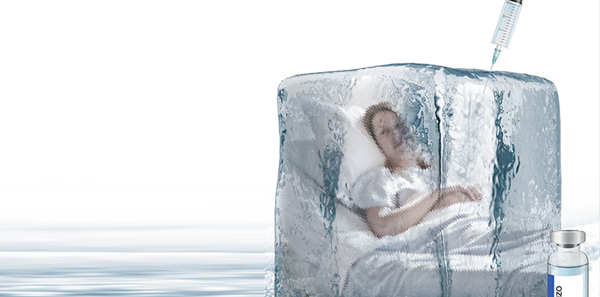
ILLUSTRATION: PAUL JUESTRICH, PHOTOS: shutterstock.com
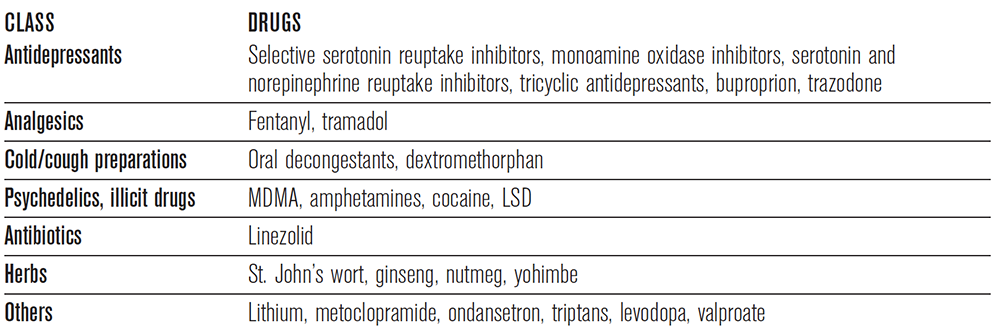
Table 2: Drugs That May Cause Serotonin Syndrome

You Might Also Like
  • ACEP Now Reader Suggests Alternative to Benzodiazepines for Treating Hyperthermia
  • Opinion: Authors Respond to Comments on Using Benzodiazepines for Hyperthermia
  • Mass Casualty Incident Provides Pearls for Toxin-Related Illness
Explore This Issue
ACEP Now: Vol 35 – No 12 – December 2016

(click for large image) Table 2: Drugs That May Cause Serotonin Syndrome

The symptoms of serotonin syndrome are extremely variable, ranging from mild presentations to a life-threatening syndrome. The most common presenting symptoms are muscle rigidity, altered mental status, and hyperthermia. Classically, and differentiating this condition from the other hyperthermic disorders, patients develop myoclonus, which is characteristically more evident in the lower extremities. The onset of symptoms is typically rapid, with symptoms typically presenting within minutes to hours. The cornerstone to management of serotonin syndrome involves immediate discontinuation of all serotonergic agents as well as supportive treatment with aggressive cooling and benzodiazepines. Current recommendations include the use of cyproheptadine, an antihistamine with antiserotonergic properties, and chlorpromazine, a phenothiazine antipsychotic with antiserotonergic properties.10 Mortality rates are similar to that of NMS, between 2 and 12 percent.

Treatment

Management of patients with the described toxin-induced hyperthermic disorders begins with supportive care and focuses on decreasing muscle activity (benzos) and core body temperature (and chill). Benzodiazepines play an important role in decreasing mortality by reducing shivering and muscle breakdown that can lead to rhabdomyolysis, hyperkalemia, and ultimately renal failure. Patients with severe toxicity who do not respond to benzodiazepines may even require chemical paralysis with a non-depolarizing paralytic agent along with mechanical ventilation for better control of their muscle hyperactivity.


Dr. Traficante is a PGY-3 resident and Dr. Kashani is a physician in the department of emergency medicine at St. Joseph’s Regional Medical Center in Paterson, New Jersey.

References

  1. MacLennan DH. The genetic basis of malignant hyperthermia. Trends Pharmacol Sci. 1992;13(8):330-334.
  2. Rosenberg H, Davis M, James D, et al. Malignant hyperthermia. Orphanet J Rare Dis. 2007;2:21.
  3. Larach MG, Gronert GA, Allen GC, et al. Clinical presentation, treatment, and complications of malignant hyperthermia in North America from 1987 to 2006. Anesth Analg. 2010;110(2):498-507.
  4. Britt BA, Kalow W. Malignant hyperthermia: a statistical review. Can Anaesth Soc J. 1970;17:293-315.
  5. Gurrera RJ, Caroff SN, Cohen A, et al. An international consensus study of neuroleptic malignant syndrome diagnostic criteria using the Delphi method. J Clin Psychiatry. 2011;72(9):1222-1228.
  6. Gurrera RJ. Sympathoadrenal hyperactivity and the etiology of neuroleptic malignant syndrome. Am J Psychiatry. 1999;156(2):169-180.
  7. Modi S, Dharaiya D, Schultz L, et al. Neuroleptic malignant syndrome: complications, outcomes, and mortality. Neurocrit Care. 2016;24(1):97-103.
  8. Strawn JR, Keck PE Jr, Caroff SN. Neuroleptic malignant syndrome. Am J Psychiatry. 2007;164(6):870-876.
  9. Buckley NA, Dawson AH, Isbister GK. Serotonin syndrome. BMJ. 2014;348:g1626.
  10. Boyer EW, Shannon M. The serotonin syndrome. N Engl J Med. 2005;352:1112-1120. Erratum in: N Engl J Med. 2007;356:2437.

Pages: 1 2 3 4 | Single Page

Topics: Case PresentationCase ReportsDiagnosisDrugsED Critical CareEmergency DepartmentEmergency MedicineEmergency PhysicianHyperthermiaHyperthermic DisorderNeurologyPatient CareSerotoninsymptomTemperature-related IllnessToxicologyTreatment

Related

  • Let Core Values Help Guide Patient Care

    November 5, 2025 - 0 Comment
  • Case Report: Massive Amitriptyline and Bupropion Ingestion

    October 29, 2025 - 0 Comment
  • Case Report: Rare Pulmonary Embolism After Routine PIVC Insertion

    September 22, 2025 - 1 Comment

Current Issue

ACEP Now: November 2025

Download PDF

Read More

No Responses to “Tips for Diagnosing,Treating Toxin-Induced Hyperthermic Disorders”

Leave a Reply Cancel Reply

Your email address will not be published. Required fields are marked *


*
*


Wiley
  • Home
  • About Us
  • Contact Us
  • Privacy
  • Terms of Use
  • Advertise
  • Cookie Preferences
Copyright © 2025 by John Wiley & Sons, Inc. All rights reserved, including rights for text and data mining and training of artificial technologies or similar technologies. ISSN 2333-2603
