
Added Value
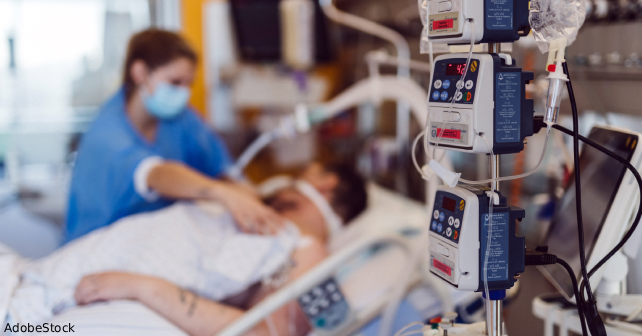
The Surgical Critical Care (SCC)-trained emergency physician also adds value from a systems perspective. According to a 2022 study by the Global ICU Needs Assessment Research Group, approximately 76 percent of ICUs internationally are mixed medical/surgical.1 The training that emergency medicine/SCC fellows receive in the surgical, trauma, medical, neurological, and cardiovascular ICUs provide the breadth of knowledge necessary to truly excel in the mixed medical/surgical ICU setting, and provide the most comprehensive care to all critically ill patients.
Explore This Issue
ACEP Now: August 2025 (Digital)Additionally, a hospital system can increase the surgical services provided to their community when there is a SCC-trained intensivist to provide postoperative care for those patients. The development of “ED-ICUs” in the past decade has also opened avenues for improvement in care and outcomes of critically ill patients, especially in EDs with high boarding rates.
When part of a trauma service, emergency medicine/SCC physicians have been shown to produce similar patient-centered outcomes as trauma surgeons, including similar blood transfusion rates, time to operating room, time to ICU, length of hospital stay, and mortality rates.2-4 Although a surgeon must be available for backup in cases of operative trauma, the EM/SCC physician is otherwise trained to manage all other aspects of the trauma team from the trauma bay to the ICU to discharge from the trauma floor. This gives the acute care surgeons the freedom to increase clinic time and scheduled operative time, which increases the overall productivity for the surgical group.
In summary, SCC training programs are a valuable resource for emergency physicians, physician groups, hospital systems, and, most importantly, patients. The comprehensive training that is provided in all aspects of trauma and critical care medicine cannot be replicated and adds value and flexibility to emergency physicians’ careers.
SCC programs must continue to build infrastructure for the addition of emergency physicians to their programs and design these programs to maximize the benefit to the physicians and overall health systems.
 Dr. Wheeler is an emergency physician and intensivist at West Virginia University Health System. She completed a Surgical Critical Care program from St. Luke’s University Health Network in 2025.
References
- Nawaz FA, Deo N, Surani S, et al. Critical care practices in the world: results of the global intensive care unit need assessment survey 2020. World J Crit Care Med. 2022;11(3):169-177.
- Ahmed JM, Tallon JM, Petrie DA. Trauma management outcomes associated with nonsurgeon versus surgeon trauma team leaders. Ann Emerg Med. 2007;50:7–12, 12 e11.
- Grossman MD, Portner M, Hoey BA, et al. Emergency traumatologists as partners in trauma care: the future is now. J Am Coll Surg. 2009;208(4):503-509.
- Kelley KC, Alers A, Bendas C, et al. Emergency trauma providers as equal partners: from “proof of concept” to “outcome parity”. Am Surg. 2019;85(9):961-964.
Pages: 1 2 3 | Single Page



One Response to “Surgical Critical Care Fellowships Add Value, Flexibility to Emergency Medicine Careers”
August 25, 2025
Joseph R ShiberDr. Wheeler and ACEP Now Editor,
I appreciate the article on Critical Care fellowship training for EM physicians but want to make a few points. SCC fellowship is actually a 1-year program by ACGME regulations. For EM graduates, the Surgical Critical Care (SCC) board certification pathway requires a preparatory year as an advanced preliminary surgical resident before starting the one-year SCC fellowship at the same institution. The initial year of training before entering into the actual 1-year SCC fellowship may vary (types of rotations in surgery or ICU areas, responsibility assigned, etc.) based on individual training site. This aspect of SCC training should be considered when thinking about the four potential pathways for EM residents.
Sincerely,
Joseph Shiber, MD, FACP, FACEP, FNCS, FCCM
UF-COM Jacksonville
Departments of EM, Neurology, and Surgery