Logo

Log In Sign Up |  An official publication of: American College of Emergency Physicians
Navigation
  • Home
  • Multimedia
    • Podcasts
    • Videos
  • Clinical
    • Airway Managment
    • Case Reports
    • Critical Care
    • Guidelines
    • Imaging & Ultrasound
    • Pain & Palliative Care
    • Pediatrics
    • Resuscitation
    • Trauma & Injury
  • Career
    • Practice Management
      • Reimbursement & Coding
      • Legal
      • Operations
    • Awards
    • Certification
    • Early Career
    • Education
    • Leadership
    • Profiles
    • Retirement
    • Work-Life Balance
  • Compensation Reports
  • Columns
    • ACEP4U
    • Airway
    • Benchmarking
    • By the Numbers
    • EM Cases
    • End of the Rainbow
    • Equity Equation
    • FACEPs in the Crowd
    • Forensic Facts
    • From the College
    • Kids Korner
    • Medicolegal Mind
    • Opinion
      • Break Room
      • New Spin
      • Pro-Con
    • Pearls From EM Literature
    • Policy Rx
    • Practice Changers
    • Problem Solvers
    • Residency Spotlight
    • Resident Voice
    • Skeptics’ Guide to Emergency Medicine
    • Sound Advice
    • Special OPs
    • Toxicology Q&A
    • WorldTravelERs
  • Resources
    • mTBI Resource Center
    • ACEP.org
    • ACEP Knowledge Quiz
    • CME Now
    • Annual Scientific Assembly
      • ACEP14
      • ACEP15
      • ACEP16
      • ACEP17
      • ACEP18
      • ACEP19
    • Annals of Emergency Medicine
    • JACEP Open
    • Emergency Medicine Foundation
  • Issue Archives
  • Archives
    • Brief19
    • Coding Wizard
    • Images in EM
    • Care Team
    • Quality & Safety
  • About
    • Our Mission
    • Medical Editor in Chief
    • Editorial Advisory Board
    • Awards
    • Authors
    • Article Submission
    • Contact Us
    • Advertise
    • Subscribe
    • Privacy Policy
    • Copyright Information

The Summa Transition, Directly from the Principals

By ACEP Now | on January 21, 2017 | 0 Comment
Features Latest News
  • Tweet
  • Click to email a link to a friend (Opens in new window) Email
Print-Friendly Version

JW: That was one of our biggest concerns. The residents [250 residents] within Summa Health System wrote a letter to us, and the Residents Council wrote a letter to the board of directors with a vote of no confidence in the hospital leadership. Our biggest concern was the continued education of our residents. Our residency director and core faculty were willing to continue to educate the residents and even provide a weekly conference without getting paid until a transition was laid out. That was never taken up.

You Might Also Like
  • A Fresh Start at Summa’s Emergency Department
  • Transition from Academia to Community Hospital Practice Is Complicated for Emergency Physician
  • Perceptions of Pregnancy During Medical Training are Changing
Explore This Issue
ACEP Now: Vol 36 – No 02 – February 2017

KK: We’ve heard that you sent the residents home to take a month off. Can you speak to that decision?

JW: No. The residents are back in the department. Our concern was with the staffing levels and the credentials of the new physicians (never shown to either us or our residency director). The residents (only those on an ED rotation) did not work for two or three days. They were put on administrative elective, basically a study month for their in-service exam. They have since gone back to their normal routine.

KK: Who told them to come back to work?

JW: They were pressured by [two members of Summa Health System’s senior leadership]. They were told that they could potentially lose their jobs if they didn’t come back into work.

KK: Did you have concerns that there was any undue influence over the negotiation process by those who might have had a conflict of interest?

JW: Absolutely that was one of our biggest concerns. The initial hospital contract team was the COO, who was new to her position within the last year or two. The biggest concern was the CMO of the hospital, who is the wife of the USACS CEO. She was directly involved with contract negotiations.

KK: So from your perspective, she was involved with the negotiation? It’s not just that she works there?

JW: No, no, no. She was directly on the hospital’s contract negotiations team. The first conversation we had about the contract took place in November, and included me and the [Summa Health System] CMO and COO, about two to three weeks before we got the contract [Nov. 26]. We turned in our counterproposal on Dec. 12. They reviewed it on Dec. 14, and she was directly involved with that meeting.

US Acute Care Solutions Weighs In


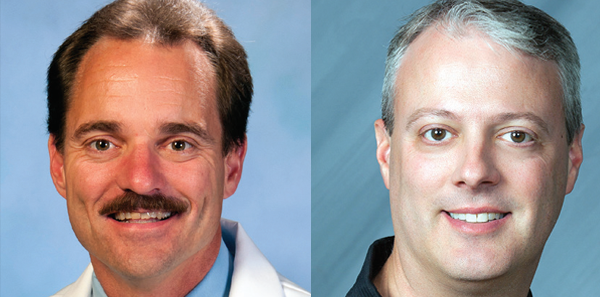
David Scott, MD, FACEP, chief administrative officer for US Acute Care Solutions

David Scott, MD, FACEP, chief administrative officer for US Acute Care Solutions

Pages: 1 2 3 4 5 6 7 8 | Single Page

Topics: careerCompensationLegalResidency ProgramSumma Health System

Related

  • Why ABEM Publishing Certification Exam Pass Rate Data Could be a Good Thing

    November 12, 2025 - 4 Comments
  • Choose Your Shift: The Freedom of a Locum Tenens Career in EM

    September 2, 2025 - 1 Comment
  • The 2025 Emergency Physician Compensation Report

    August 29, 2025 - 0 Comment

Current Issue

ACEP Now: January 2026

Download PDF

Read More

About the Author

ACEP Now

View this author's posts »

No Responses to “The Summa Transition, Directly from the Principals”

Leave a Reply Cancel Reply

Your email address will not be published. Required fields are marked *


*
*


Careers Center
  • Urgent Care Physician

    MercyOne Waterloo Urgent Care Seeking BC/BE physician to staff busy urgent care Full time position Clinic hours Mon-Fri 8am-8pm, weekends 10am-6pm...

    Waterloo, Iowa

    Competitive

    Trinity Health

    Read More
  • ER Physician- Mason City, Iowa- $100,000 bonus package

    MercyOne North Iowa- Emergency Medicine Level III Trauma Center 25,000 visits/year Full-service hospital with a 24/7 Hospitalist program, air medic...

    Mason City, Iowa

    Competitive

    Trinity Health

    Read More
  • Vice Chair of Education, Emergency Medicine

    The Department of Emergency Medicine at Stanford University School of Medicine seeks a nationally renowned educator and leader

    Palo Alto, California

    Associate Professor: $359,000 - $377,000 Professor: $392,000 - $407,000

    Stanford School of Medicine, Department Of Emergency Medicine

    Read More
More Jobs
Wiley
  • Home
  • About Us
  • Contact Us
  • Privacy
  • Terms of Use
  • Advertise
  • Cookie Preferences
Copyright © 2026 by John Wiley & Sons, Inc. All rights reserved, including rights for text and data mining and training of artificial technologies or similar technologies. ISSN 2333-2603

