
Although I’ve never thought so, perhaps, I am “retired” already … just not under a more traditional definition. Cheers!
Explore This Issue
ACEP Now: Vol 37 – No 06 – June 2018—Randall B. Case, MD, MBA, MSE, FACEP
President, Healthrecord Solutions, LLC
Dallas/Fort Worth, Texas
 Find something that you can do in retirement that allows you to put to good use some of the knowledge you gained in your practice, to keep your hand in the game, for several years after you retire from clinical practice. In order to have a niche, you need to start working toward that goal about 10 years prior to retirement, gaining expertise and experience in the medical niche you think might be interesting. Unless you plan to do part-time clinic or urgent care work, don’t expect to actively use your clinical skills in this post-retirement arena, as they will deteriorate with lack of use, but keep your “special knowledge” honed in the niche area you hope to become expert in. If you can earn some money at it, this keeps you from having to tap your IRA for your entire post-retirement income. There’s nothing like a little fresh money coming in. Take some courses first to find your niche if you are uncertain, then bone up and begin using these skills or knowledge base while you are still practicing, substituting this time for a couple of shifts a month if you have that flexibility. If you wait until you retire to acquire these niche skills or this knowledge base, you will have blown it. For example, if you want to write medical mystery novels in retirement, start writing years before you retire from ED practice.
—M. Myles Riner, MD, FACEP
Health care consultant, reimbursement expert witness, and author of The Fickle Finger blog
Incline Village, Nevada
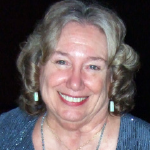 I gave up practicing medicine for the third and final time at age 70. I was always convinced I would die seeing patients in a Maine emergency department, but financial preparation made elective retirement possible. Arthritic knees forced my ED retirement in 2001. I missed practicing so much that, three years later, I found shorter shifts in an urgent care center.
Tip #1: Do not give up your licenses, boards, or CME yet; reassess each renewal and consider alternative clinical work.
Tip #2: If you want to keep “working” turn your nonclinical expertise into a paying/part-time “job.” My husband and I left Maine, where I knew “everyone,” after 30 years. I did urgent care, attended state and national ACEP meetings and went to local medical CME, but did not integrate well. I knew no one in the emergency department when my husband had his myocardial infarctions and cerebrovascular accident, couldn’t recommend a surgeon when my son ruptured his appendix, didn’t know the orthopod who casted my granddaughter, and allowed strangers to remove my cancer and perform my endarterectomy. I have experienced medical isolation.
Pages: 1 2 3 4 | Single Page




No Responses to “Seven ACEP Members Share Retirement Tips”