
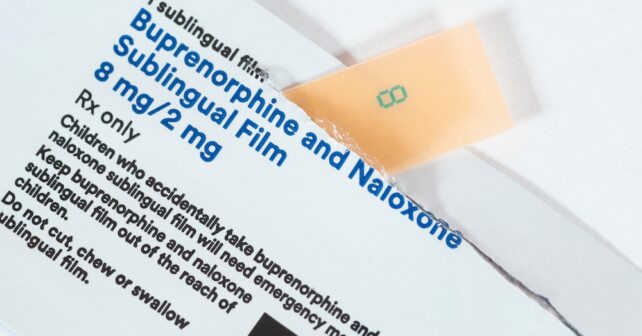
Administering buprenorphine in the field has proven to be as safe and effective as starting it in the ED. When guided by standardized protocols and tools like the Clinical Opiate Withdrawal Scale (COWS), the risk of precipitated withdrawal is low to none, comparable to in-hospital initiation.12,15 Additionally, studies demonstrate that EMS-initiated buprenorphine, like ED-based initiation, is associated with improved engagement in addiction treatment at 30 days.15,16 These are crucial factors for encouraging long-term recovery.
Explore This Issue
ACEP Now: June 2025 (Digital)Protocols vary across agencies for EMS-driven buprenorphine administration, reflecting differences in agency structure as well as local resources and regulations. Some systems go beyond medication delivery to include direct transport to a substance-use treatment facility rather than the hospital, while others incorporate peer recovery specialists or social workers into the EMS response teams. These models recognize the value of meeting individuals where they are, both literally and figuratively, taking advantage of the unique position EMS holds. Many states have developed model EMS protocols and offer targeted training to facilitate adoption while ensuring patient safety.
Innovative changes like these align with national efforts to expand access to evidence-based OUD treatment, alongside policy changes such as the elimination of the X-waiver requirement and the increasing promotion of low-threshold treatment models. These developments open the door for broader buprenorphine access, even in non-traditional settings like the back of an ambulance.
For emergency physicians, this growing EMS capability has practical implications. Although not all EMS agencies are yet equipped to administer buprenorphine, the number of participating systems is increasing, and EDs may begin to see more patients who have already received their first dose before arrival. Coordinated care between prehospital and emergency teams can ensure continuity of treatment, reduce duplication of efforts, and improve overall patient outcomes.
Emergency physicians and EMS workers share a common mission: to reduce harm and save lives in the midst of the opioid crisis. Buprenorphine initiation in the prehospital setting is a powerful tool in this fight. By transforming a response to an overdose reversal into a gateway toward recovery, EMS agencies are shifting the trajectory of care. Emergency physicians can support these efforts, collaborate with our prehospital partners, and extend the reach of lifesaving treatment beyond the walls of the ED.
 Dr. Chung is a PGY-4 resident in emergency medicine at George Washington University in Washington, DC.
References
- Centers for Disease Control and Prevention, National Center for Health Statistics. National Vital Statistics System, Mortality 2018-2023. CDC WONDER Online Database. Released 2024. Accessed May 23, 2025. Available at: https://wonder.cdc.gov/
- Weiner SG, Baker O, Bernson D, et al. One-Year Mortality of Patients After Emergency Department Treatment for Nonfatal Opioid Overdose. Ann Emerg Med. 2020;75(1):13-17.
- Ashburn NP, Ryder CW, Angi RM, et al. One-Year Mortality and Associated Factors in Patients Receiving Out-of-Hospital Naloxone for Presumed Opioid Overdose. Ann Emerg Med. 2020;75(5):559-567.
- D’Onofrio G, O’Connor PG, Pantalon MV, et al. Emergency Department-Initiated Buprenorphine/Naloxone Treatment for Opioid Dependence: A Randomized Clinical Trial. JAMA. 2015;313(16):1636-1644.
- Sordo L, Barrio G, Bravo MJ, et al. Mortality risk during and after opioid substitution treatment: systematic review and meta-analysis of cohort studies. BMJ. 2017;357:j1550.
- Larochelle MR, Bernson D, Land T, et al. Medication for opioid use disorder after nonfatal opioid overdose and association with mortality: a cohort study. Ann Intern Med. 2018;169(3):137-145.
- Casillas SM, Pickens CM, Stokes EK, et al. Patient-level and county-level trends in nonfatal opioid-involved overdose emergency medical services encounters — 491 counties, United States, January 2018–March 2022. MMWR Morb Mortal Wkly Rep. 2022;71(34):1073-1080.
- Duan K, Chambers LC, Basta M, Scagos RP, Roberts-Santana C, Hallowell BD. Prior Emergency Medical Services Utilization Among People Who Had an Accidental Opioid-Involved Fatal Drug Overdose—Rhode Island, 2018-2020. Public Health Rep. 2023;139(1):48-53.
- Barefoot EH, Cyr JM, Brice JH, et al. Opportunities for emergency medical services intervention to prevent opioid overdose mortality. Prehosp Emerg Care. 2021;25(2):182-190.
- Champagne-Langabeer T, Bakos-Block C, Yatsco A, Langabeer JR. Emergency medical services targeting opioid user disorder: An exploration of current out-of-hospital post-overdose interventions. JACEP Open. 2020;1(6):1230-1239.
- Bornstein K, Rayburn D. Emergency medical services utilization of medication for opioid use disorder: a narrative review of the literature and analysis of prehospital buprenorphine protocols. Prehosp Emerg Care. Published online March 7, 2025:1-20.
- Rock P, Singleton M. EMS heroin overdoses with refusal to transport & impacts on ED overdose surveillance. Online J Public Health Inform. 2019;11(1):e62551.
- Zozula A, Neth MR, Hogan AN, et al. Non-transport after prehospital naloxone administration is associated with higher risk of subsequent non-fatal overdose. Prehosp Emerg Care. 2022;26(2):272-279.
- Turley B, Zamore K, Holman RP. Predictors of emergency medical transport refusal following opioid overdose in Washington, DC. Addiction. 2025;120(2):296-305.
- Armour R, Nielsen S, Buxton JA, et al. Initiation of buprenorphine in the emergency department or emergency out-of-hospital setting: A mixed-methods systematic review. Am J Emerg Med. 2025;88:12-22.
- Carroll G, Solomon KT, Heil J, et al. Impact of administering buprenorphine to overdose survivors using emergency medical services. Ann Emerg Med. 2023;81(2):165-175.
Pages: 1 2 3 | Single Page



No Responses to “Prehospital Buprenorphine Is a Powerful Tool in the Opioid-Crisis Fight”