

In 1935, it was estimated that the majority of U.S. hospitals were led by physicians. In contrast, fewer than one in five U.S. hospitals is led by a physician today.1,2 However, there appears to be a growing recognition of the value of physician-based leadership in hospitals and health systems, and more than a few of these newly appointed physician leaders have a background in emergency medicine.
Explore This Issue
ACEP Now: March 2026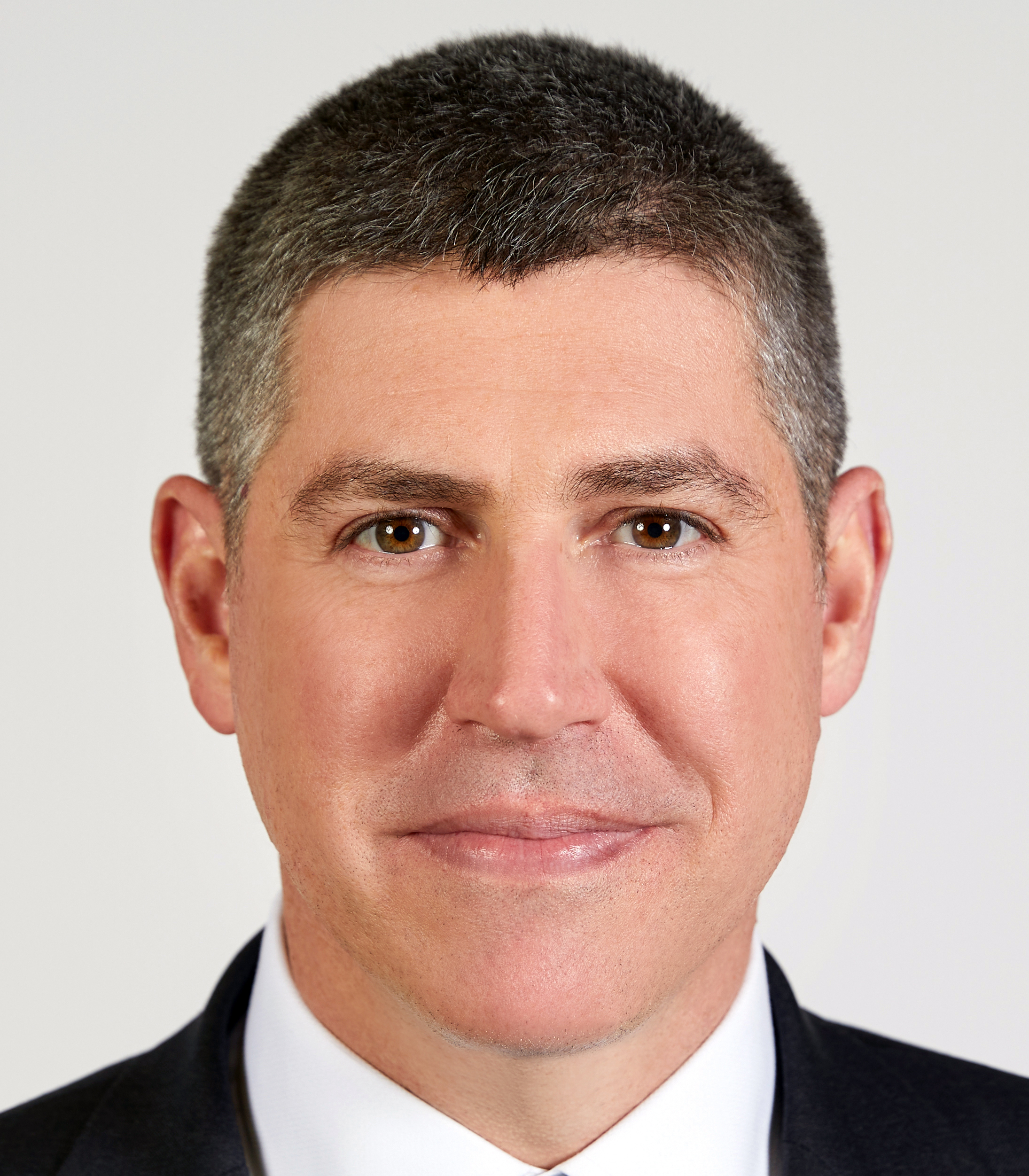
Dr. Carr
“Emergency medicine, as a specialty, has arrived,” said Brendan G. Carr, MD, MA, MS, an emergency physician and chief executive officer. “The way emergency physicians are wired is with a ‘can-do’ mentality where failure is not an option. We know how to operate efficiently with a broad perspective of things that can impact health outcomes.”
That broad perspective, once applied to clinical diagnosis in the ED, must broaden even more in leadership positions, Dr. Carr explained. “Our health care system is in distress and that manifests in the emergency department [ED],” said Dr. Carr, who still works clinical shifts in the ED. “The best way to advocate for the ED is to improve health care in America.”
Common Goals

Dr. D’Angelo
With emergency physicians operating on the frontlines of health care, there may be a perceived disconnect between the aims of the hospital or health system, its leaders, and emergency physicians, acknowledged John D’Angelo, MD, FACEP, an emergency physician and president and chief executive officer of Northwell Health.
“Sometimes within hospitals there is talk as if there are ‘haves’ and ‘have nots,’ but the reality, on my side, is that all providers are dealing with the same challenges,” Dr. D’Angelo said. “That is, mainly, that the reimbursement for services we provide collectively on the clinician side has not kept up with the expense of providing those services, that the demand for those services is going up, and that the workforce and the pipeline to meet that demand is more and more strained.”
Hospital and health system leaders are tasked with trying to figure out how to do more with less.
How can leadership best do that when the goals of different health care teams are not aligned? Dr. D’Angelo said that he tries to apply two rules, a concept he first heard years ago at an ACEP conference. First, do what is best for the patient. Second, do what’s best for the people who take care of the patient.
What exactly that looks like when managing hundreds or thousands of employees will vary based on who you ask, Dr. D’Angelo and Dr. Carr both admitted.
“Programs focused on social determinants, education, and clinical care are all essential components of optimizing health outcomes,” Dr. Carr said. “Leadership often means balancing advocacy for the ED and for community-based programs with the need to build the next decade of revenue driving the health system.”
Emergency physicians can and should say that they want more done in the ED, but we are one ecosystem. We succeed or we fail together, Dr. Carr said.
Keeping That Connection
Just as parents should not pick a favorite child, physicians’ leaders in the C-suite should not pick a favorite specialty or service line. However, having emergency physicians in leadership does mean that the people making these 30,000-foot decisions understand what it means to spend time with their feet on the floor of the ED.
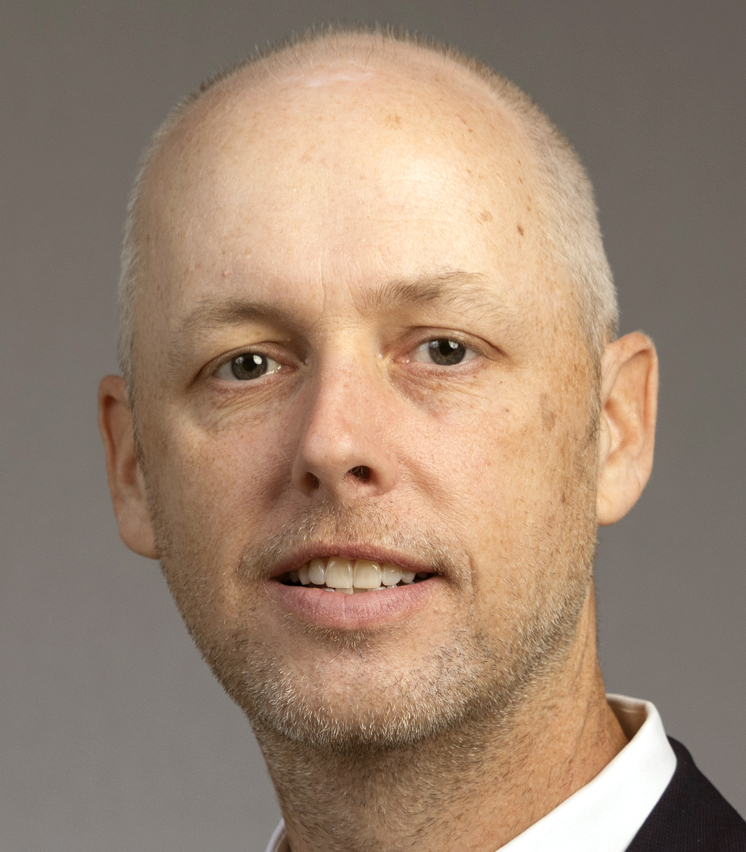
Dr. Casey
“The ED still has a large place in my heart and serves as the front door of the health system,” said Paul E. Casey, MD, MBA, FACEP, system chief medical officer for Rush University System for Health in Chicago. “This morning, I was in the ED rounding, seeing old friends, and asking how I can help.”
Dr. Casey spends a lot of his time leading digital health initiatives that could improve efficiency and patient outcomes throughout Rush. He can use his intimate knowledge of and experience in the ED to see how digital initiatives like artificial intelligence can impact areas, such as triage, or other aspects of ED workflow.
For example, last year, Rush began piloting the use of generative AI-powered ambient listening in outpatient clinics.
“One new area we are looking to launch ambient listening is within the ED,” Dr. Casey said. “This technology can bring the clinical team back to the patient, make the care more efficient, and unhook clinicians from their keyboards so they can spend more time worrying about patients and less time worrying about documentation.”
The technology still requires some documentation on the back end, but will hopefully decrease the amount of time physicians are pulled from patient care and forced to spend time getting notes done after their shifts.
“We wanted to test this technology outside of the more controlled area of the clinic,” Dr. Casey said. “And I knew that emergency physicians and the ED clinical team are always willing to innovate.”
Working Together
Instead of viewing a divide between emergency physicians and leadership, Dr. D’Angelo encouraged more emergency physicians to take a seat at the table and offer solutions.
“Emergency physicians have a very innate skill set and have proven that they can help drive changes and results,” Dr. D’Angelo said. “Use that skill set, be at the table, and apply it to the global challenges that a hospital is feeling and ultimately that impact will trickle down to the ED as well.”
Taking a seat at the table may not be the right option for everyone. Alternatively, emergency physicians can articulate concerns to leadership and work to find out the “whys,” Dr. Casey said.
“One of the things I am proud of is, even this morning when I was rounding in the ED, I had nurses and others on the clinical team coming up to me and asking questions,” Dr. Casey said. “’Why are we doing things this way?’ or ‘Why are we moving in that direction?’” To me, that is a win.
“The way to keep connected to an organization is to have those conversations, to ask critical questions, and make sure you are getting answers,” Dr. Casey said. “It may not always be the answer that everyone wants to hear, but at least it will help to understand the ‘why’ and provide context.”
Despite what some may think, there is no lack of empathy for colleagues working in the ED, Dr. D’Angelo said. Things like the patient boarding crisis or other challenges faced by emergency physicians are still front of mind for the people running a hospital, who continue to work to direct resources in an appropriate way to do what is best for patients and the organization.
Ms. Lawrence is a freelance health writer and editor based in Delaware.
References
- Gupta AK. Physician versus non-physician CEOs: The effect of a leader’s professional background on the quality of hospital management and health care. J Hosp Adm. 2019;8(5):47-51.
- Angood P, Birk S. The value of physician leadership. Physician Exec. 2014;40(2):6-20.



No Responses to “Physicians in the C-Suite Still Recognize Needs of Docs in the Trenches”