
The average emergency department (ED) is set up for medical emergencies and is not well-equipped to handle patients’ mental health needs, explained Jennifer Hoffmann, MD, MS, a pediatric emergency physician at Ann & Robert H. Lurie Children’s Hospital of Chicago.
Explore This Issue
ACEP Now: September 2025“These environments can be loud, chaotic, and overly stimulating, especially for children experiencing an acute mental health crisis,” Dr. Hoffmann said.
Unfortunately, an increasing number of children experiencing mental health emergencies are finding themselves boarding in EDs. Dr. Hoffmann and colleagues recently conducted a retrospective study of more than five million mental health ED visits for children aged five to 17 and found that about one in three visits that resulted in admission or transfers saw children in the ED for more than 12 hours.1

Dr. Hoffmann
“One in eight visits exceeded 24 hours,” Dr. Hoffmann added. The stays exceeding 24 hours were more likely to occur in certain patient populations including the youngest children, non-Hispanic Black children, and those with public insurance.1
Although this is not a new issue, it does appear to be getting worse. Prior to the COVID-19 pandemic, data had begun to indicate that the total number of visits to the ED for children with mental health disorders was increasing, and in the years since, monthly rates of hospitalizations and ED visits have continued to put a strain on available resources.2,3
Fewer Resources, More Patients
The reasons for the increase in pediatric mental health boarding are multifactorial, and vary by state, according to Moshe D. Bitterman, MD, an attending psychiatrist in the ED at Lurie Children’s Hospital.
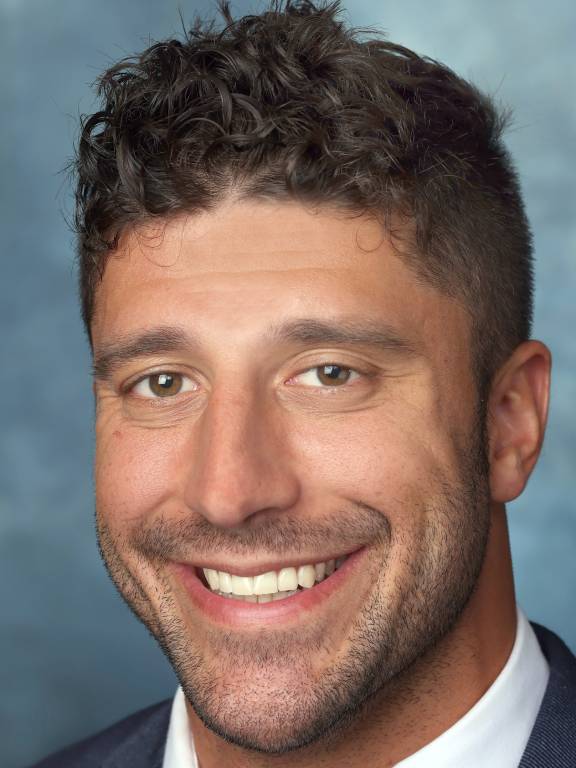
Dr. Bitterman
“The amount of inpatient beds available to these populations has decreased, and there has also been a decrease in community resources over time,” Dr. Bitterman said.
For example, in its 2023 report, Mental Health America found that more than 2.7 million children and adolescents are living with severe major depression, with more than half receiving no mental health treatment at all.4
“It is a stress on the system,” said Sandy Herman, MD, an emergency physician who recently retired from a position with the Tennessee Department of Mental Health. “We are seeing an increased use of psychiatric services by pediatric patients, and more patients at a younger age.”
Appropriate Treatment

Dr. Herman
Most pediatric patients presenting to the ED with acute mental health crisis will fall into one of two categories, Dr. Bitterman said. First is internalizing patients with thoughts or intention of self-harm; second is externalizing patients who may be harmful or aggressive towards others.
Pages: 1 2 3 4 | Single Page



No Responses to “Pediatric Patients in Acute Mental Health Crisis Face Long Waits”