Logo

Log In Sign Up |  An official publication of: American College of Emergency Physicians
Navigation
  • Home
  • Multimedia
    • Podcasts
    • Videos
  • Clinical
    • Airway Managment
    • Case Reports
    • Critical Care
    • Guidelines
    • Imaging & Ultrasound
    • Pain & Palliative Care
    • Pediatrics
    • Resuscitation
    • Trauma & Injury
  • Career
    • Practice Management
      • Reimbursement & Coding
      • Legal
      • Operations
    • Awards
    • Certification
    • Early Career
    • Education
    • Leadership
    • Profiles
    • Retirement
    • Work-Life Balance
  • Compensation Reports
  • Columns
    • ACEP4U
    • Airway
    • Benchmarking
    • By the Numbers
    • EM Cases
    • End of the Rainbow
    • Equity Equation
    • FACEPs in the Crowd
    • Forensic Facts
    • From the College
    • Kids Korner
    • Medicolegal Mind
    • Opinion
      • Break Room
      • New Spin
      • Pro-Con
    • Pearls From EM Literature
    • Policy Rx
    • Practice Changers
    • Problem Solvers
    • Residency Spotlight
    • Resident Voice
    • Skeptics’ Guide to Emergency Medicine
    • Sound Advice
    • Special OPs
    • Toxicology Q&A
    • WorldTravelERs
  • Resources
    • mTBI Resource Center
    • ACEP.org
    • ACEP Knowledge Quiz
    • CME Now
    • Annual Scientific Assembly
      • ACEP14
      • ACEP15
      • ACEP16
      • ACEP17
      • ACEP18
      • ACEP19
    • Annals of Emergency Medicine
    • JACEP Open
    • Emergency Medicine Foundation
  • Issue Archives
  • Archives
    • Brief19
    • Coding Wizard
    • Images in EM
    • Care Team
    • Quality & Safety
  • About
    • Our Mission
    • Medical Editor in Chief
    • Editorial Advisory Board
    • Awards
    • Authors
    • Article Submission
    • Contact Us
    • Advertise
    • Subscribe
    • Privacy Policy
    • Copyright Information

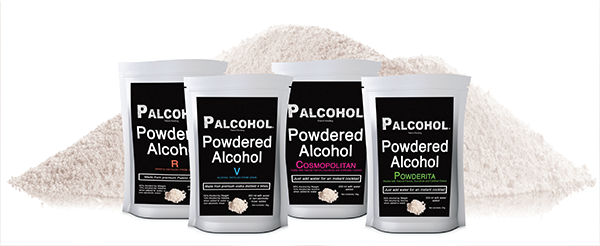
Palcohol: Powdered Alcohol Dangers that Emergency Physicians Should Know

By Kelly April Tyrrell | on August 13, 2015 | 0 Comment
Features
Share:  Print-Friendly Version
Palcohol: Powdered Alcohol Dangers that Emergency Physicians Should Know

Snorting the powder may also cause burns, sinus infections, and fungal infection with bacterial overgrowth, said Dr. Glatter.

You Might Also Like
  • Alcohol and Tobacco, not Marijuana, are True Gateway Drugs
  • Opinion: Dangers of Marijuana Experienced Firsthand
  • Emergency Physicians Urged Not to Prescribe New Opioid, Zohydro ER, Given High Potential for Abuse
Explore This Issue
ACEP Now: Vol 34 – No 08 – August 2015

When used properly, Palcohol should not be any more problematic than liquid alcohol, and Dr. Glatter noted that banning it could create a black market similar to those that have popped up when other substances, like “bath salts,” have been prohibited. He noted that physicians have expressed their concerns about the product.

“I think this is a disaster in the making, especially for kids,” he said. “We really need to have our guard up and really educate children, teens, and schools about this.”


Ms. Tyrrell is a freelance journalist based in Wilmington, Delaware.

Key Points for Emergency Physicians to Know

By Robert Glatter, MD, FACEP

  1. Six ounces of liquid are used to reconstitute the alcohol-based powder. It takes about one minute to reconstitute it, so it might be difficult to use powdered alcohol to spike a drink.
  2. The biochemistry of Palcohol is based on cyclodextrins, compounds that can absorb up to 60 percent of their own weight in water.
  3. It is unlikely that Palcohol could be easily snorted since it would likely cause a chemical burn or irritation to the nares and upper airway. It is also unlikely that snorting would represent a significant route to rapid absorption or a quick high, as many packets would be required. The risk for infection and inflammation developing in the sinuses due to elevated sugar content might also be a potential concern. Snorting of the powder might also trigger bronchospasm, especially in persons with asthma or lung disease, and could result in chronic cough or even aspiration.
  4. Co-ingestion of other substances with the powdered alcohol should be a continued concern when evaluating a patient who may have consumed Palcohol. Its novelty as a powder with multiple flavorings could entice teens to mix in other drugs, resulting in additive effects.
  5. One packet of Palcohol reconstituted with six ounces of liquid has the equivalent alcohol content of a standard mixed drink.
  6. Consumers, and especially teens, have the potential to overdose on Palcohol because they may underestimate the potency of the powder and choose to combine multiple packets to gain a more intense effect.

Dr. Glatter is an attending physician in the department of emergency medicine at Lenox Hill Hospital in New York City and clinical assistant professor at Hofstra North Shore-LIJ School of Medicine in Hempstead, New York.

Pages: 1 2 3 | Single Page

Topics: AddictionAlcoholEmergency DepartmentEmergency PhysicianPalcoholPatient SafetyPowdered AlcoholPublic Health

Related

  • Alcohol Use Disorder: Screening Tools and Medications in the ED

    February 10, 2026 - 0 Comment
  • February 2026 News from the College

    January 27, 2026 - 0 Comment
  • Emergency Medicine as Leaders in Care Provision for Patients with Opioid Use Disorder

    January 27, 2026 - 0 Comment

Current Issue

ACEP Now: February 2026 (Digital)

Read More

About the Author

Kelly April Tyrrell

Kelly April Tyrrell writes about health, science and health policy. She lives in Madison, Wisconsin, where she is usually running, riding her bike, rock climbing or cross-country skiing. Follow her @kellyperil.

View this author's posts »

No Responses to “Palcohol: Powdered Alcohol Dangers that Emergency Physicians Should Know”

Leave a Reply Cancel Reply

Your email address will not be published. Required fields are marked *


*
*


Wiley
  • Home
  • About Us
  • Contact Us
  • Privacy
  • Terms of Use
  • Advertise
  • Cookie Preferences
Copyright © 2026 by John Wiley & Sons, Inc. All rights reserved, including rights for text and data mining and training of artificial technologies or similar technologies. ISSN 2333-2603
