Logo

Log In Sign Up |  An official publication of: American College of Emergency Physicians
Navigation
  • Home
  • Multimedia
    • Podcasts
    • Videos
  • Clinical
    • Airway Managment
    • Case Reports
    • Critical Care
    • Guidelines
    • Imaging & Ultrasound
    • Pain & Palliative Care
    • Pediatrics
    • Resuscitation
    • Trauma & Injury
  • Resource Centers
    • mTBI Resource Center
  • Career
    • Practice Management
      • Benchmarking
      • Reimbursement & Coding
      • Care Team
      • Legal
      • Operations
      • Quality & Safety
    • Awards
    • Certification
    • Compensation
    • Early Career
    • Education
    • Leadership
    • Profiles
    • Retirement
    • Work-Life Balance
  • Columns
    • ACEP4U
    • Airway
    • Benchmarking
    • Brief19
    • By the Numbers
    • Coding Wizard
    • EM Cases
    • End of the Rainbow
    • Equity Equation
    • FACEPs in the Crowd
    • Forensic Facts
    • From the College
    • Images in EM
    • Kids Korner
    • Medicolegal Mind
    • Opinion
      • Break Room
      • New Spin
      • Pro-Con
    • Pearls From EM Literature
    • Policy Rx
    • Practice Changers
    • Problem Solvers
    • Residency Spotlight
    • Resident Voice
    • Skeptics’ Guide to Emergency Medicine
    • Sound Advice
    • Special OPs
    • Toxicology Q&A
    • WorldTravelERs
  • Resources
    • ACEP.org
    • ACEP Knowledge Quiz
    • Issue Archives
    • CME Now
    • Annual Scientific Assembly
      • ACEP14
      • ACEP15
      • ACEP16
      • ACEP17
      • ACEP18
      • ACEP19
    • Annals of Emergency Medicine
    • JACEP Open
    • Emergency Medicine Foundation
  • About
    • Our Mission
    • Medical Editor in Chief
    • Editorial Advisory Board
    • Awards
    • Authors
    • Article Submission
    • Contact Us
    • Advertise
    • Subscribe
    • Privacy Policy
    • Copyright Information

Palcohol: Powdered Alcohol Dangers that Emergency Physicians Should Know

By Kelly April Tyrrell | on August 13, 2015 | 0 Comment
Features
  • Tweet
  • Click to email a link to a friend (Opens in new window) Email
Print-Friendly Version
Palcohol: Powdered Alcohol Dangers that Emergency Physicians Should Know

Powdered alcohol could soon be sold in stores throughout the United States, but some say the product, marketed under the name Palcohol, could also bring with it unique health risks.

You Might Also Like
  • Alcohol and Tobacco, not Marijuana, are True Gateway Drugs
  • Opinion: Dangers of Marijuana Experienced Firsthand
  • Emergency Physicians Urged Not to Prescribe New Opioid, Zohydro ER, Given High Potential for Abuse
Explore This Issue
ACEP Now: Vol 34 – No 08 – August 2015

“People argue there is not enough evidence indicating any more concern than there is for liquid alcohol,” said Robert Glatter, MD, FACEP, an emergency physician at Lenox Hill Hospital in New York. “But there are certainly other hazards. I think the powdered form is appealing, the flavoring is appealing, and it creates a situation where there’s potential for abuse.”

In early April, the Alcohol and Tobacco and Trade Bureau approved the product for sale in the United States but then revoked that approval, calling it an “error,” according to the Associated Press. The product’s maker, Lipsmark, told the Associated Press it would resubmit after making changes to the volume labeling on its packaging. Initial reports indicated Palcohol could be sold as soon as this summer.

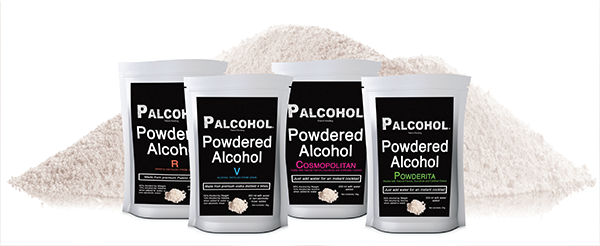
When the powder is used as intended, Lipsmark indicates it should be mixed with six ounces of liquid and contains as much alcohol as a glass of wine. The company plans to sell five versions: rum, vodka, Cosmopolitan, Lemon Drop, and Powderita.

Concern stems from the potential for the powder to be snorted by risk-taking teens, accidentally ingested by children, mixed with other substances, and easily concealed and abused.

Dr. Glatter cited a recent case he saw in which a hungry teen babysitter accidentally ingested a brownie infused with marijuana after it had been stored out of sight and forgotten by the adults in the home. Similar unintended incidents may arise with Palcohol, he said.

As of mid June, the National Conference of State Legislatures reported that a dozen states, including Vermont, Tennessee, and Washington, have banned the sale of powdered alcohol, and three additional states have banned it temporarily. There are more than 80 bills in 39 states related to powdered alcohol, and according to Wired, Sen. Chuck Schumer (D-New York) has introduced legislation to ban it nationwide, calling it the “Kool-Aid of teenage binge drinking.”

If, or when, Palcohol enters the market, Dr. Glatter said emergency physicians should be aware of the potential for intoxication resulting from the powder and should work with parents and teens to educate them about the risks. Children presenting with oral burns or a gel-like substance in the mouth and airways may have consumed the powder, which can turn gummy when mixed with saliva, he said.

Pages: 1 2 3 | Single Page

Topics: AddictionAlcoholEmergency DepartmentEmergency PhysicianPalcoholPatient SafetyPowdered AlcoholPublic Health

Related

  • Opinion: Physicians Must Reduce Plastic Waste

    December 4, 2025 - 0 Comment
  • Q&A with ACEP President L. Anthony Cirillo

    November 5, 2025 - 0 Comment
  • Overcoming Language Barriers in the Emergency Department

    October 21, 2025 - 0 Comment

Current Issue

ACEP Now: November 2025

Download PDF

Read More

About the Author

Kelly April Tyrrell

Kelly April Tyrrell writes about health, science and health policy. She lives in Madison, Wisconsin, where she is usually running, riding her bike, rock climbing or cross-country skiing. Follow her @kellyperil.

View this author's posts »

No Responses to “Palcohol: Powdered Alcohol Dangers that Emergency Physicians Should Know”

Leave a Reply Cancel Reply

Your email address will not be published. Required fields are marked *


*
*


Wiley
  • Home
  • About Us
  • Contact Us
  • Privacy
  • Terms of Use
  • Advertise
  • Cookie Preferences
Copyright © 2025 by John Wiley & Sons, Inc. All rights reserved, including rights for text and data mining and training of artificial technologies or similar technologies. ISSN 2333-2603
